Brixton: 80 years after the 1946 demobilization, African and Caribbean soldiers honored
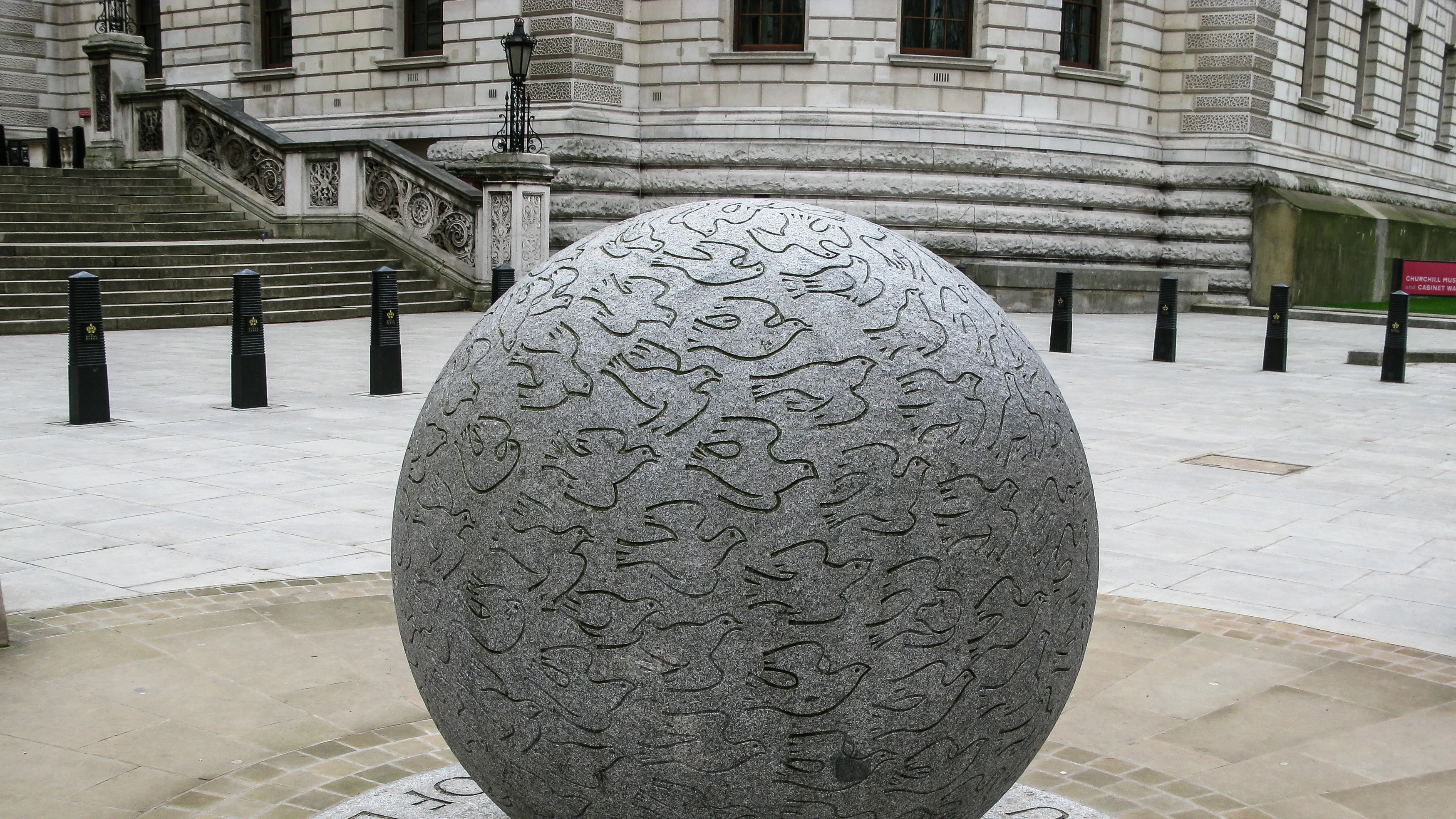
A square in Brixton, in south London, bears the name Windrush—the ship that brought the first Caribbean workers called to rebuild Great Britain in 1948. At the African and Caribbean War Memorial standing there, a remembrance ceremony was scheduled for Sunday, November 8, 2026, at 2 p.m., according to the British newspaper The Voice. It marked 80 years since the demobilization and repatriation, in 1946, of the African and Caribbean military personnel who had served Great Britain during the Second World War.
During that year of 1946, thousands of personnel who had served overseas were released from military service and sent back to their countries of origin, the newspaper recalls. It was a return without fanfare for men and women whose contribution to the Allied war effort took decades to enter the British national narrative—and who still only appear there on the margins.
The ceremony, organized by the Nubian Jak Community Trust, was set to bring together more than 150 Black British military personnel and a fifty-piece military band, with four spiritual traditions represented: traditional African spiritualities, Judaism, Islam, and Christianity. The theme chosen this year is "Unity."
"Remembrance must be inclusive," Dr. Jak Beula, founder of the Trust and designer of the memorial, told The Voice. The service and sacrifice of African and Caribbean personnel in both world wars deserve, he says, to be recognized and honored just as those of all others are. The organization has held this annual ceremony since 2017 and is celebrating its twentieth anniversary this year.
Who keeps the memory?
Behind the tribute lies a battle over the control of memory. In 2024, the Lambeth Council had set up a framework involving several community organizations and the multicultural team of the British Ministry of Defence, after competing ceremonies had caused confusion. The following year, Jak Beula accused the ministry of seeking to take control of the ceremony and sideline the Trust.
The Friends of Windrush Square, the West Indian Association of Service Personnel, and the Black Cultural Archives rejected the idea of a takeover, explaining that the 2024 framework was intended, on the contrary, to bring together groups whose commemorations were overlapping. This year, according to The Voice, the Trust has resumed leadership of the event.
The question is not anecdotal for the African and Caribbean diasporas in Great Britain: it determines who tells the story of their elders in uniform, and in what terms. The Windrush Square memorial was not born from a state commission: it was designed by the founder of a community association, and it is this same association that, every November, seeks out the names that official cenotaphs have long forgotten.
This article was written in French with the help of artificial intelligence from the sources cited below, then translated from French automatically. Read the original.