Burundi: Agathon Rwasa's candidacy rejected, seven files accepted for the presidential election
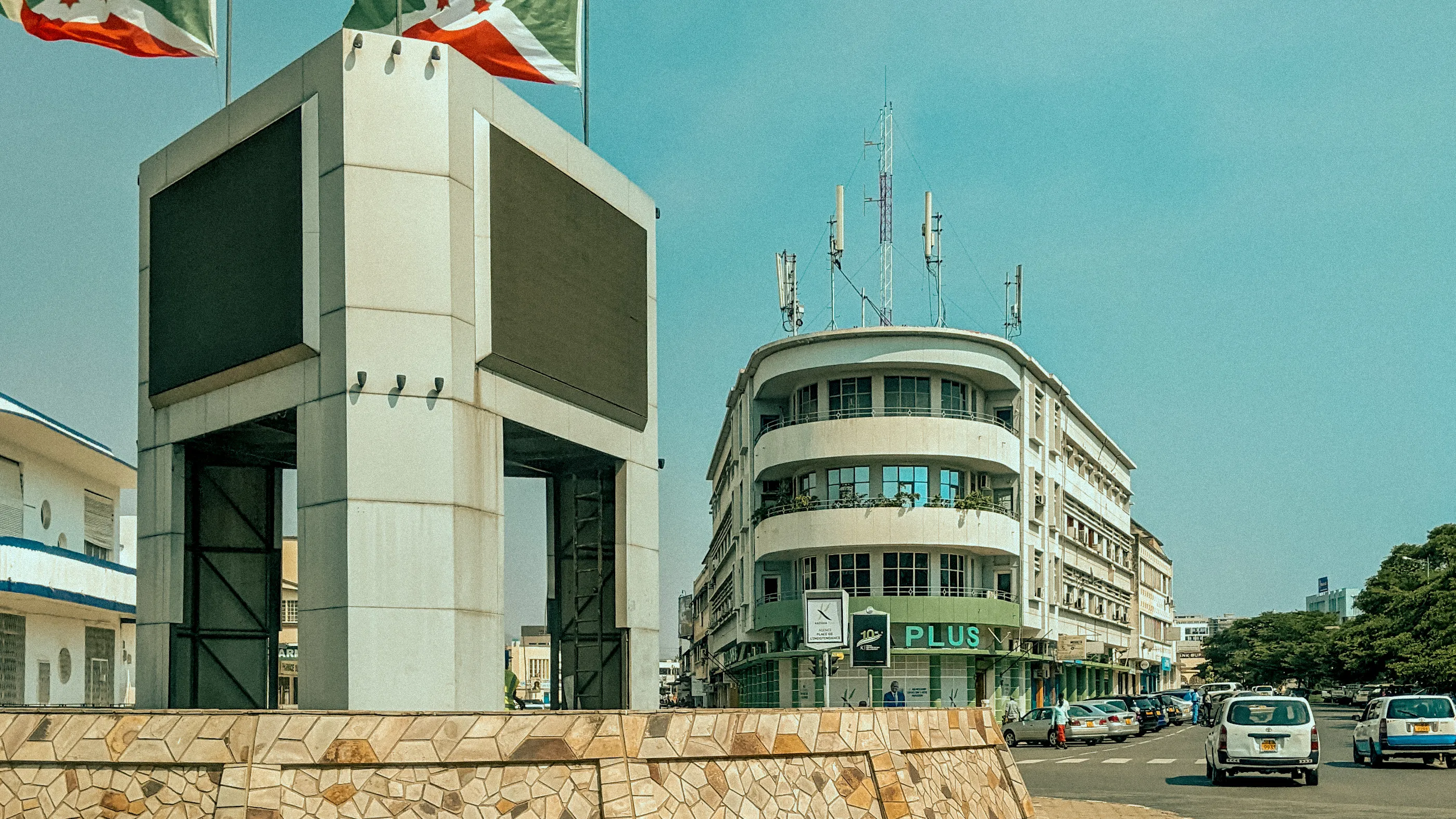
The National Independent Electoral Commission of Burundi rejected the candidacy of Agathon Rwasa, the country's main opposition leader, on Friday, November 27, 2026, for the presidential election on May 3, 2027. According to an official document reviewed by AFP and reported by Africanews, the commission accused him of a "false declaration": Rwasa had registered as an independent candidate while remaining a member of a political party.
Out of ten files submitted, seven were validated. The disqualified candidates have two days to appeal to the Constitutional Court, and the final list is scheduled to be published on December 6, 2026. No reaction from Agathon Rwasa or his entourage was included in the information published by Africanews.
A long-time opponent, sidelined before the vote
A former militia leader during the civil war, Agathon Rwasa was defeated in 2020 by Évariste Ndayishimiye, an election that the opposition had described as an "electoral masquerade." For Pacifique Nininahazwe, a figure of Burundian civil society in exile, this disqualification is not surprising: it comes, he told AFP, to complete a "political elimination process" aimed at neutralizing the head of state's main rival.
An already tightly controlled election
Évariste Ndayishimiye, who has led Burundi since June 2020 following the death of his predecessor Pierre Nkurunziza—who was in power for fifteen years—is running for a second term under the banner of the CNDD-FDD, which has been in power since 2005 and is considered the heavy favorite. When he submitted his candidacy in early November 2026, he paid a deposit of 100 million Burundian francs, or about 33,000 dollars: a sum that opposition parties denounce as a financial barrier intended to keep them out of the competition.
The precedent is not reassuring. In the 2025 legislative elections, the CNDD-FDD won all 100 seats in the National Assembly, an election marred by irregularities according to Africanews. In October 2026, the United Nations Human Rights Council expressed concern over an "alarming increase" in extrajudicial executions and enforced disappearances in the country.
What this says
Burundi is one of the poorest countries in the world and still bears the memory of a civil war that left approximately 300,000 dead between 1993 and 2005. In such a country, an election is not just an administrative ritual: it is the only peaceful mechanism through which political disagreement can be resolved without weapons. Reducing the list of candidates due to a form irregularity is narrowing that space. Defending the rights of Burundians also means asking their leaders to leave the choice open. The Constitutional Court now has the final say, and December 6 will reveal whether the appeal was heard.
This article was written in French with the help of artificial intelligence from the sources cited below, then translated from French automatically. Read the original.