Cameroon: At 93, Paul Biya still has not appointed a vice-president
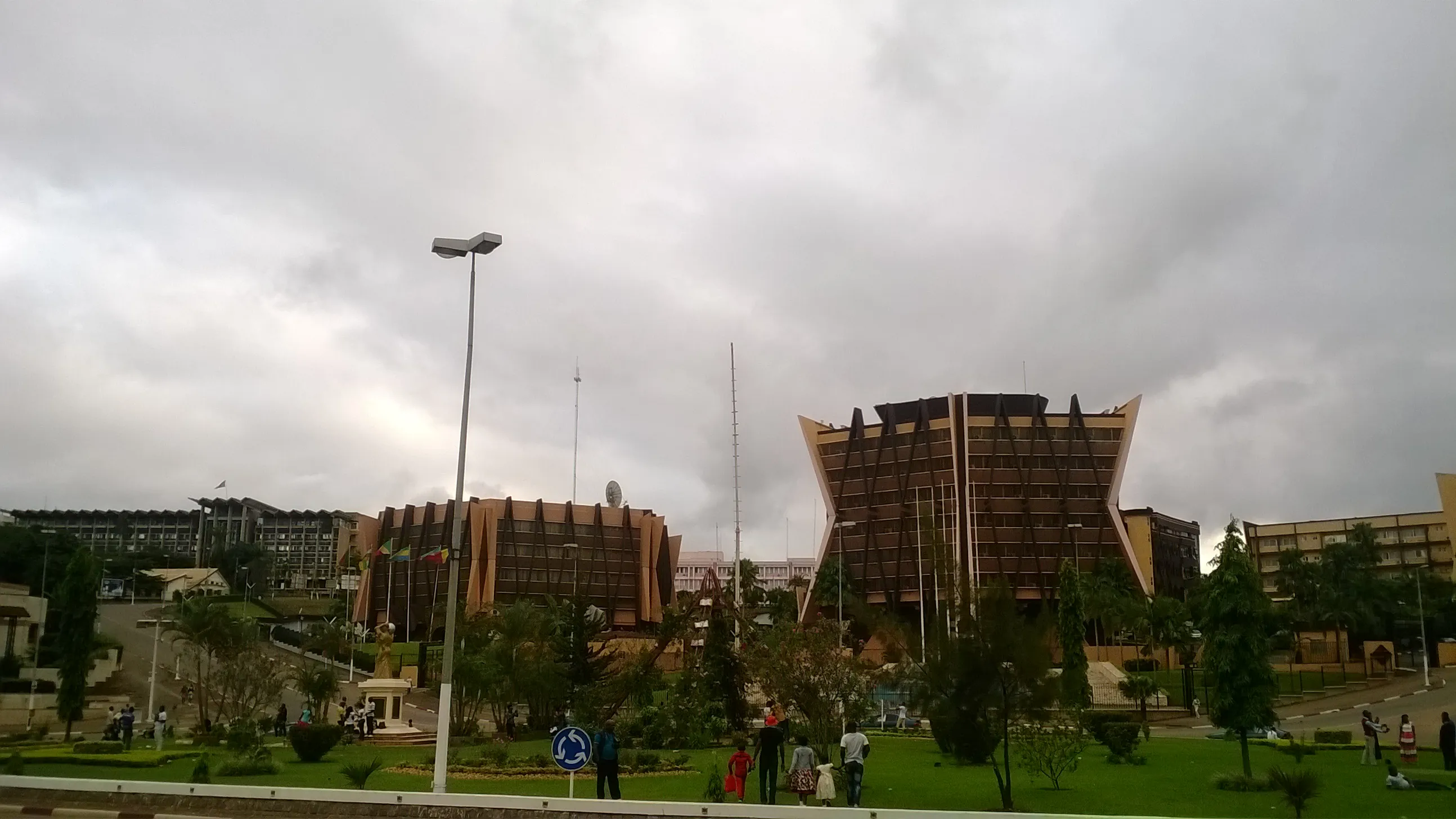
As of November 10, 2026, no vice-president had been appointed in Cameroon, seven months after the constitutional revision that reinstated the position, reports Al Jazeera in an investigation published on November 12, 2026, from Yaoundé. Paul Biya, 93, in power since 1982, is the only one who can make this appointment.
The question is not merely theoretical. The head of state left the country on June 7, 2026, for Europe and did not return to Yaoundé until August 20, after more than ten weeks of absence. According to the OCCRP, cited by Al Jazeera, he has spent at least four and a half years abroad on private trips since 1982.
What the Constitution says, and what it does not say
The revision approved on April 14, 2026, provides that in the event of death, resignation, or permanent incapacity confirmed by the Constitutional Council, the vice-president shall complete the term. Without a vice-president, an election must be held within 20 to 120 days, with the interim period falling to the President of the Senate.
However, an absence abroad is not enough, in legal terms, to establish a temporary impediment: powers do not automatically shift to the Prime Minister. Article 10 authorizes the president to delegate certain functions, but he must do so expressly. Al Jazeera notes that no government report specifies whether such a delegation was in effect during these absences.
A highly exposed secretary-general
In this vacuum, attention is turning to Ferdinand Ngoh Ngoh, Secretary-General of the Presidency, who has held a permanent delegation of signature since a decree on February 5, 2019. A delegation of signature, however, does not equate to a transfer of power, and he is not the constitutional successor.
Signs of nervousness are abundant. On August 4, 2026, three decrees reshuffled the high military command, according to Reuters: the commanders of four of the five joint military regions were replaced, the head of the Presidential Guard was promoted from colonel to brigadier general, and a new boss was appointed to the Rapid Intervention Battalion. For Robert Besseling, CEO of the firm Pangea-Risk, the political scene is suffering from clear "institutional paralysis."
Two conflicts that cannot wait
The uncertainty comes at a bad time: the country is facing a separatist conflict in the English-speaking regions and attacks by groups linked to Boko Haram in the Far North, two fronts where an unclear chain of command complicates the response. Opposition leader Joshua Osih, of the Social Democratic Front, argued as early as April that the revision strengthened the centralization of power, according to remarks reported by Focus Media Afrique.
The government maintains that this is a presidential prerogative. Analyst Paul Anchang, based in Yaoundé, believes that the institutions continue to function. When contacted by Al Jazeera, the presidency did not respond. The legislative and municipal elections, which have been postponed twice, are scheduled for February 7, 2027.
This article was written in French with the help of artificial intelligence from the sources cited below, then translated from French automatically. Read the original.