Cape Town: 26 permanent jobs for a data centre, residents demand a moratorium
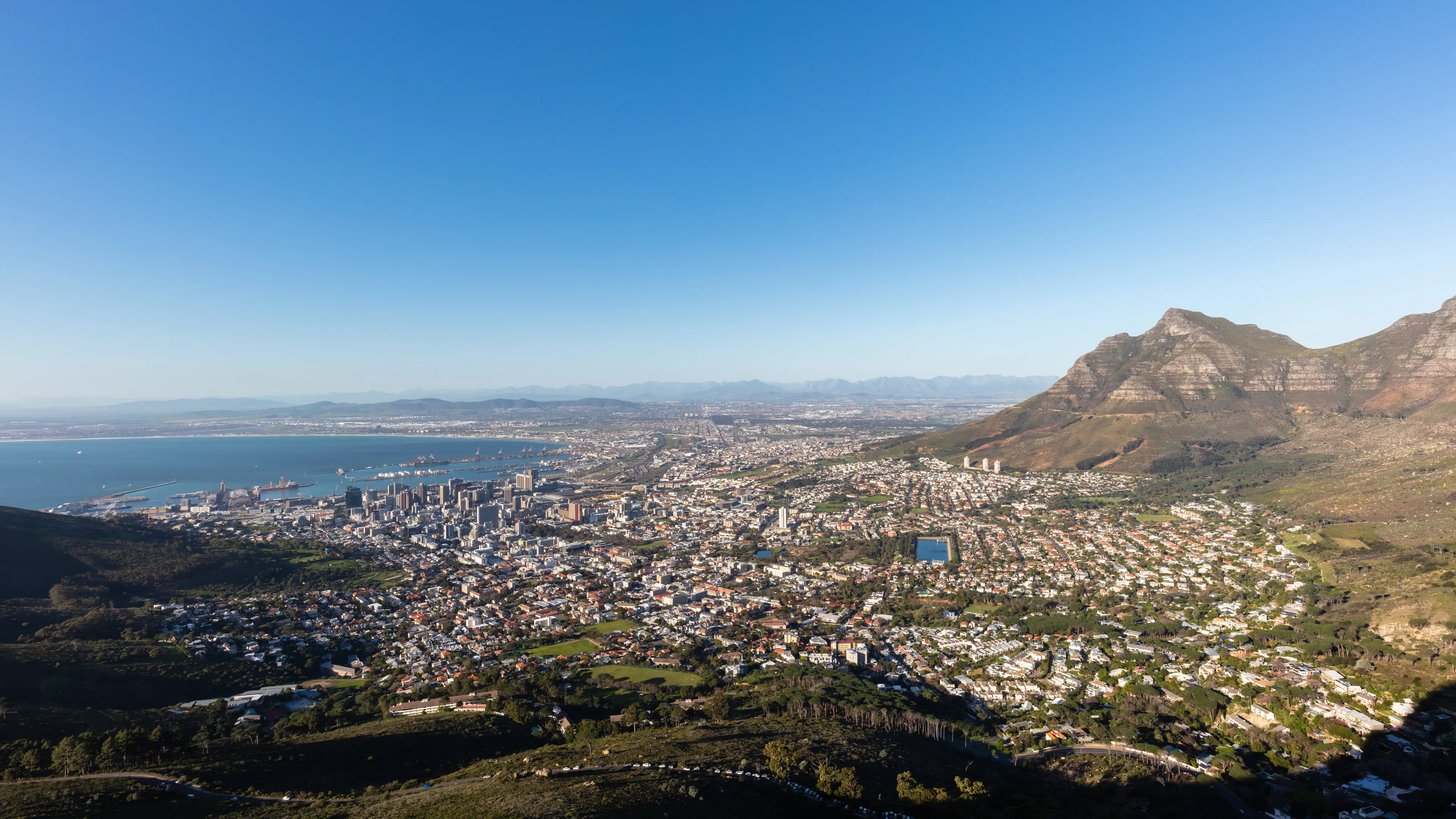
South African residents and organisations are calling for a halt on the construction of new artificial intelligence data centres until the government establishes clear rules. The Housing Assembly movement and climate group Extinction Rebellion submitted a petition to the Mayor of Cape Town in September 2026, Africanews reported on 28 October 2026, in an article updated on 7 November and based on statements gathered by AFP. They are demanding a freeze until "clearly defined" and enforceable standards are put in place.
Water in a city that almost ran dry
The project in question is a hyperscale facility that US firm Equinix, which operates around 280 sites worldwide, wants to build on land purchased near the Barcelona neighborhood, close to Cape Town International Airport. In a submission to the South African Human Rights Commission, the two organisations estimate that such a site could consume over 4.4 billion litres of water per year with conventional cooling—the equivalent of the annual consumption of more than 18,000 households. This figure is their own estimate. Equinix responds that it uses dry cooling, which consumes very little water, and aims for biorenewable energy; its managing director, Sandile Dube, assures that the project will follow due process and address the concerns of local residents.
The argument resonates in a city that narrowly avoided "Day Zero" for its reservoirs in 2018 and where restrictions are considered possible starting in December due to El Niño.
A lot of electricity, very few jobs
Pitso Tsibolane, a senior lecturer in information systems at the University of Cape Town, calculates that a 160-megawatt centre could consume around 1.4 billion kilowatt-hours per year at full capacity. Once operational, he says these buildings are "among the least labour-intensive" in the economy. The example provided by Equinix itself demonstrates this: its site near Johannesburg employed around 750 people during construction, compared to just 26 permanent staff today.
For Kenneth Matlawe, a Housing Assembly activist who lived in Barcelona for fifteen years, the issue is primarily "a land question". Saadiyah Kadwa, an attorney at the Legal Resources Centre representing these groups, believes the issue extends beyond the city and affects the entire country.
An acknowledged regulatory vacuum
South Africa has more than 60 data centres, the largest market on the continent; Cape Town hosts a dozen and has granted permits for five more. The Minister of Communications and Digital Technologies, Solly Malatsi, acknowledges that there are no specific regulations for these facilities: they fall under existing construction and environmental laws, and must prioritise self-generation of water and electricity. Meanwhile, the government presents the country as Africa's digital gateway.
A request for rezoning of the land was heard on appeal in October 2026; a non-binding advisory opinion is expected within 90 days. Researcher Tsibolane sums up the issue differently: clear rules, he says, do not discourage serious investors. The question facing the continent is the true cost of global AI infrastructure, and who pays for it in water and power.
This article was written in French with the help of artificial intelligence from the sources cited below, then translated from French automatically. Read the original.