Cape Verde: Six candidates on November 15, and a woman who could make history
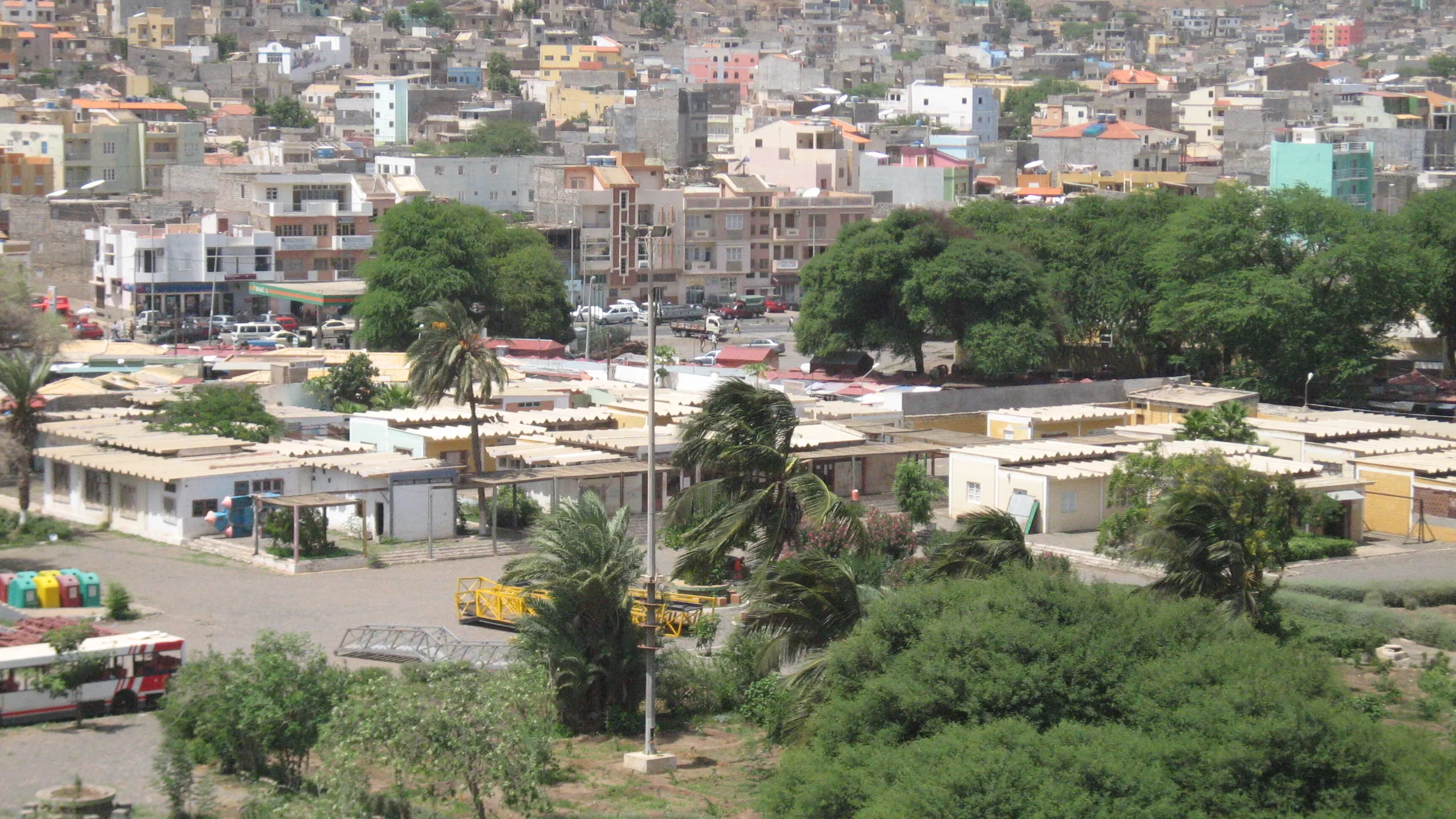
Cape Verdeans will elect their president on Sunday, November 15, 2026, with six candidates in the running for a five-year term, report Quartz and Africanews. The election will be held in two rounds, according to the procedure described by the encyclopedia Wikipedia, which notes that a candidate must be a Cape Verdean by birth, hold no other nationality, be over 35 years old, and collect between 1,000 and 4,000 voter signatures to be submitted to the Constitutional Court.
An incumbent in a strong position
President José Maria Neves, of the African Party for the Independence of Cape Verde (PAICV), is seeking a second term. He was elected in the first round in 2021 with more than 51% of the vote, his party's first presidential victory since 2006. His camp won the legislative elections in May 2026, bringing the left back to government after ten years of the Movement for Democracy (MpD). Africanews describes him as the favorite.
His main rival, Joana Rosa Amado, is a lawyer and served as Minister of Justice from 2021 to 2026. Supported by the MpD, she is the first woman to run for the presidency of the archipelago. Four independent candidates complete the field: magistrate Antero Tavares, legal expert Casimiro de Pina, physician Gilson Alves, and Loisito Tavares de Sousa, a figure in social activism.
A nation where half the population lives abroad
Cape Verde is regularly cited as one of the most stable democracies on the continent, in a region marked by coups d'état. However, the campaign, which opened on October 29, has focused on the cost of living. Growth reached 5.2% in 2025 and fishing accounts for 80% of exports, according to Quartz, which cites France 24; Africanews estimates the tourism sector's contribution to the economy at about a quarter. Approximately 28% of young people remain outside the labor market.
Above all, the archipelago is a country of departures: more than half of all Cape Verdeans live abroad, with about 700,000 people compared to 550,000 residents, and remittances account for some 15% of GDP. The diaspora votes, and the emigration of young graduates is among the campaign issues.
Among the promises are a single subsidized fare for inter-island travel starting in January and a temporary 10% reduction in the price of marine diesel for fishermen. In the land of Amílcar Cabral, Sunday's vote will determine whether voters confirm the alignment between the presidency and the government, or whether they entrust the role of arbiter to a woman for the first time.
This article was written in French with the help of artificial intelligence from the sources cited below, then translated from French automatically. Read the original.