Cotton: Mali exports 98% raw and creates its state-owned textile company
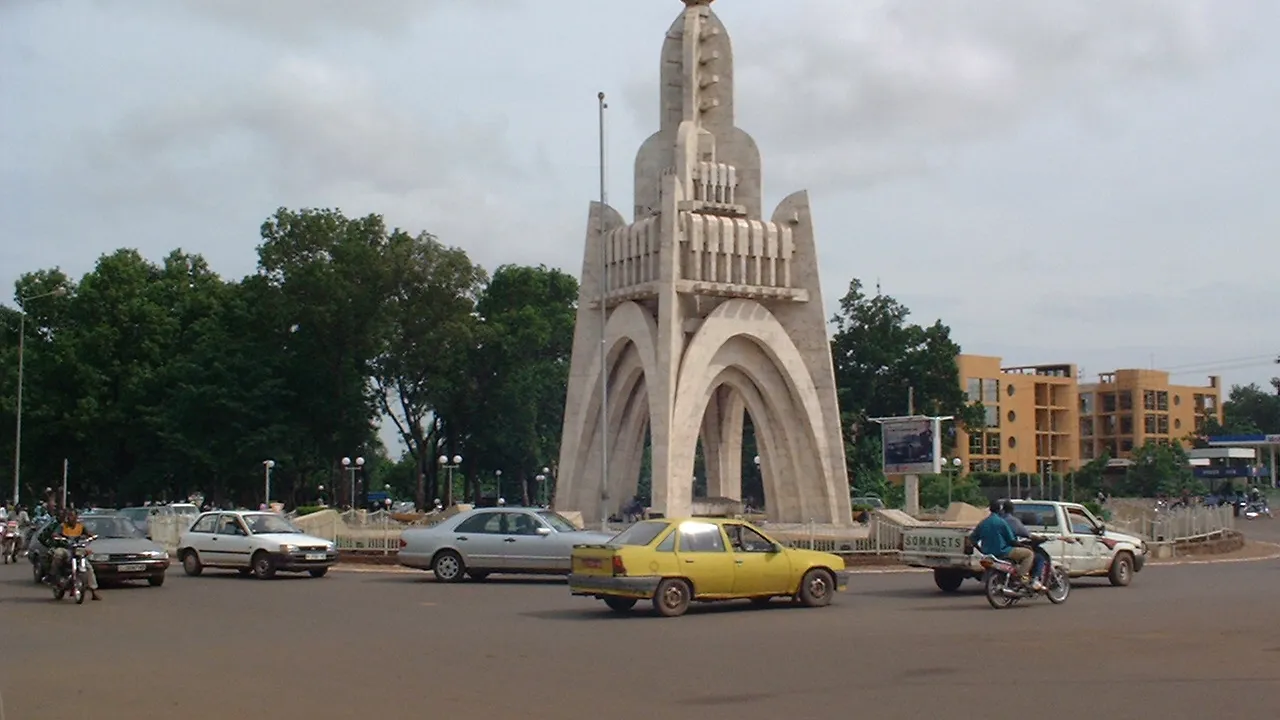
Mali's National Transitional Council approved the creation of the Mali Textile Company (STM-SA) on November 20, 2026, a state-owned enterprise located in the Bamako airport zone, reports the Bird Story Agency. The country produces approximately 656,000 tons of cotton per year and exports 98% of it as raw fiber, according to government data cited by the agency.
Spinning, weaving, and dyeing locally
The new company is also tasked with reviving the Malian Textile Company (COMATEX-SA). The planned factory would process 40,000 tons of cotton per year and cover spinning, weaving, hosiery, dyeing, and garment manufacturing. Its initial share capital is 100 million CFA francs, or approximately 175,000 dollars; Bird specifies that this amount is not the cost of the factory and that the financing plan has not been published.
One billion dollars promised in Ghana
Accra has included a one-billion-dollar textile and apparel plan for 2027-2030 in its New Economy Program, with three garment factories planned in the Bono East, Central, and Eastern regions. The state is also seeking strategic investors for the Akosombo Industrial Company and Volta Star Textiles. The budget announces nearly 27,000 direct jobs, but Minister of Trade Elizabeth Ofosu-Adjare mentioned the figure of 80,000 jobs for four regions on November 24, 2026; Bird notes that the discrepancy is not explained.
What is already running
In Benin, the Glo-Djigbé industrial zone, operated with ARISE IIP, processes approximately 40,000 tons of cotton per year into 7 to 10 million garments, delivered notably to US Polo Assn. and Kiabi. In Uganda, Fine Spinners announced five million dollars in additional machinery in September 2026, bringing the investment in its Kampala factory to 35 million. In Morocco, EUWEN TEXTILES, a subsidiary of the Chinese Sunrise Group, has been building in Fez and Skhirat since December 2025 for approximately 230 million dollars, with more than 2,000 direct jobs in the first phase.
Money, not projects
For the Director-General of the World Trade Organization, Ngozi Okonjo-Iweala, the problem is not a lack of projects: capital and bankable projects are not meeting, she estimated. An assessment by UNIDO and the International Trade Centre for the Cotton Partnership estimates the investment potential over ten years at 12 billion dollars, including 5 billion in private funds—a pool of projects, Bird insists, and not firm commitments. A fund launched on November 19, 2026, by the IFC and Social Investment Managers & Advisors aims for 400 million dollars.
The challenge is well known: as long as the fiber leaves raw, the added value, the factories, and the jobs remain elsewhere.
This article was written in French with the help of artificial intelligence from the sources cited below, then translated from French automatically. Read the original.