Egypt-Libya: Cairo reopens embassy in Tripoli after fourteen years, with Libyan gas in its sights
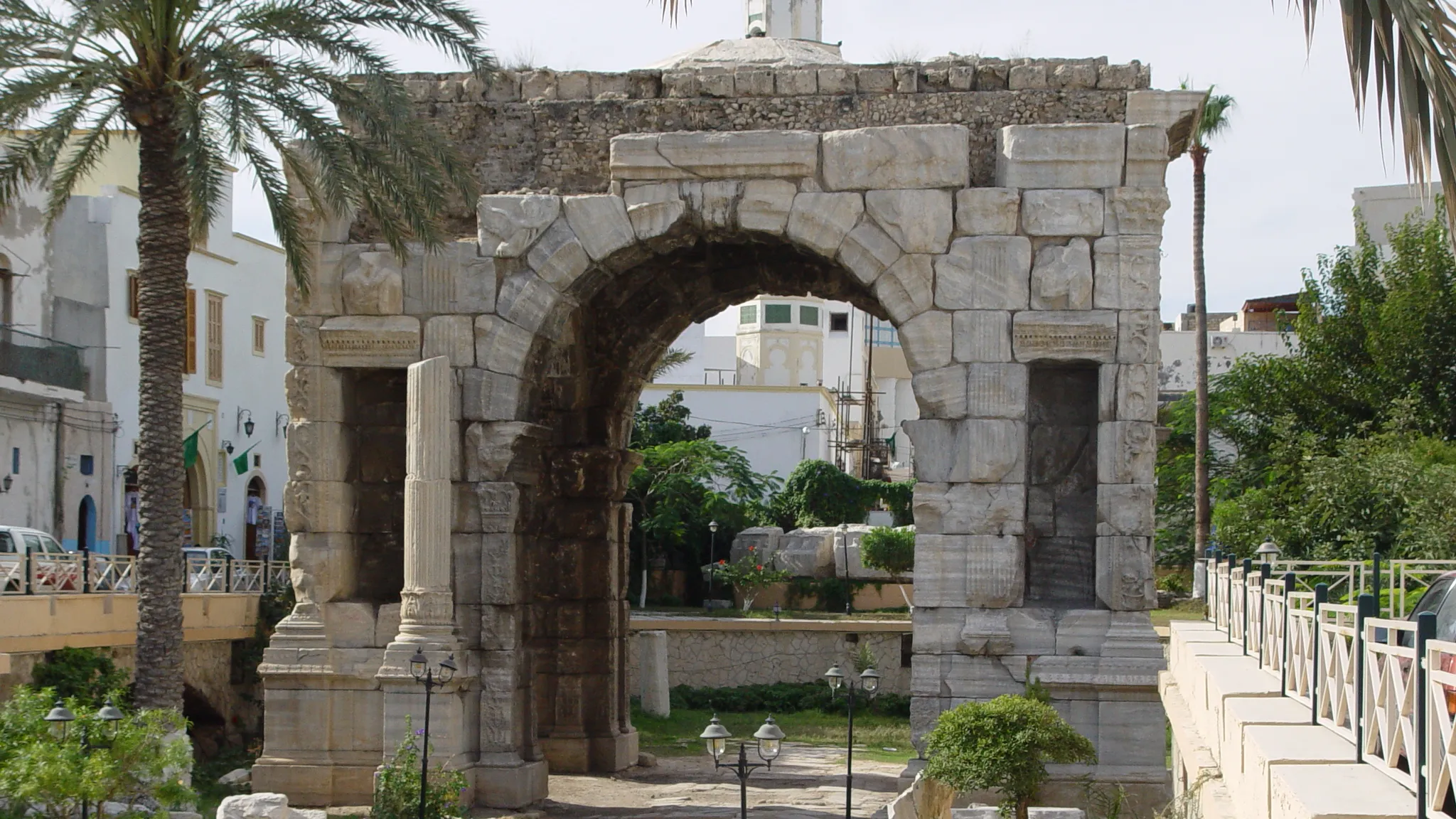
Egyptian Foreign Minister Badr Abdelatty traveled to Tripoli on Saturday, November 7, 2026, to reopen the Egyptian embassy, which had been closed since 2012, according to Africanews and AFP. Fourteen years later, Cairo is restoring diplomatic representation in the Libyan capital.
This gesture is not merely ceremonial. Until now, Egypt had supported the administration of Field Marshal Khalifa Haftar, based in the East, in a country divided between two rival governments. By reopening in Tripoli, Cairo is now engaging with both sides.
Gas, refining, electricity
During the ceremony, Badr Abdelatty stated that he wanted to move to the implementation phase at the "technical level," reports Africanews. He cited four projects: a gas pipeline connecting Libya to Egypt, the acceleration of a project to refine Libyan oil on Egyptian territory for re-export, the rehabilitation of Libyan refineries, and the restoration of electrical connections between the two countries.
His selling point is infrastructure: Egypt, he claimed, is the only country in the Eastern and Southern Mediterranean to possess the necessary facilities for liquefying natural gas. No amounts, capacities, or timelines were provided, and the article mentions neither the name of the new ambassador nor any Libyan official present.
A diplomacy of maritime maps
This rapprochement comes after Egypt's ratification of a contested maritime agreement with Turkey, which Cairo deems contrary to its own maritime zone, Africanews specifies. In the Eastern Mediterranean, sea borders equate to gas fields: reconciling with Tripoli also means exerting influence over the layout of economic zones.
This episode says something broader about the continent. For fifteen years, the future of Libya has been decided primarily in foreign capitals, which have armed and financed opposing camps. Seeing two neighboring African states reconnect directly, around a gas pipeline and power lines rather than militias, is a shift to be taken seriously. It remains to be seen who will benefit: the companies that will export, or the Libyan populations who have lived since 2011 with stalled refineries and power cuts.
Caution remains necessary. The two Libyan administrations committed on August 31, 2026, to organizing elections within two years, according to Africanews, and the country's oil production was disrupted again in September 2026 by the closure of an oil pipeline valve by an armed group. None of the projects announced in Tripoli have, at this stage, a signed contract made public.
This article was written in French with the help of artificial intelligence from the sources cited below, then translated from French automatically. Read the original.