Egypt: Seven dead and 112 injured in train collision in Giza
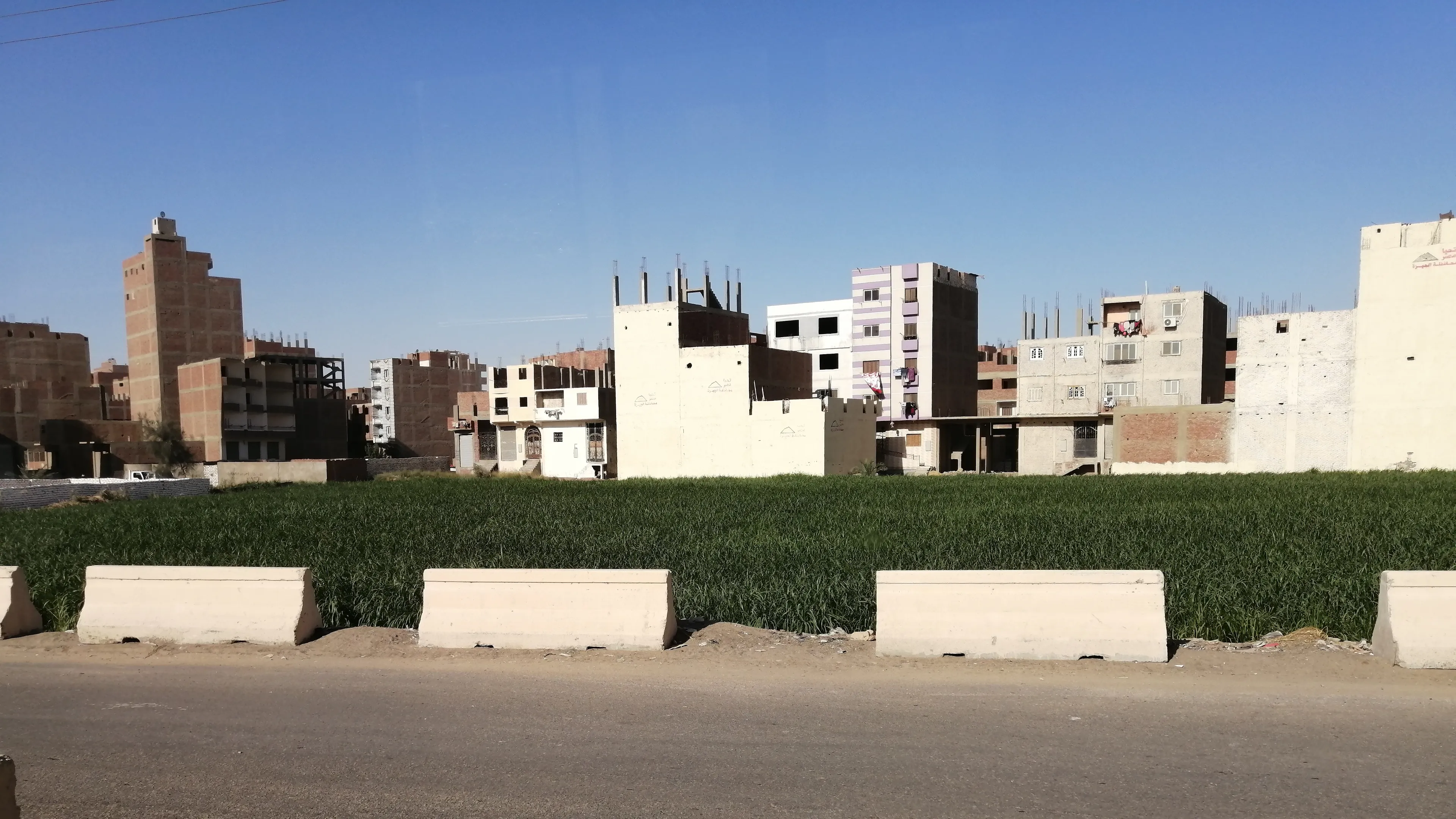
Seven people were killed and 112 injured on Sunday, November 8, 2026, in a collision between two passenger trains in the Giza province, south of Cairo, according to the Egyptian Ministry of Health and Population as cited by the Xinhua agency. The Egyptian National Railways Authority stated the collision occurred between the Kafr Ammar and Al-Raqqa stations.
According to the same authority, a train traveling on the Giza-Fayoum line struck the rear of a convoy heading from Cairo to Aswan. The AP agency, as reported by Africanews, described a derailment and overturned carriages about fifty kilometers south of the capital, in the al-Ayyat sector.
Seventy-two ambulances and two governorates on alert
Seventy-two ambulances were deployed to the scene, and the injured were distributed among several hospitals in Giza and Beni Suef, reports Xinhua. The Minister of Health, Khaled Abdel Ghaffar, placed facilities in both governorates on high alert. In its latest update, the ministry indicated that 45 injured people had already been discharged from the hospital and seven others were expected to be soon, with the rest remaining under observation.
The casualty figures evolved hour by hour. In the early hours, the Ministry of Health reported four deaths and 88 people receiving treatment, according to AP, while state media suggested 120 injured without specifying the severity of their conditions.
Investigation ordered, no cause established
President Abdel Fattah al-Sisi offered his condolences to the families on Facebook and instructed state agencies to investigate promptly and hold accountable, in the words relayed by DW, "anyone found to have been negligent." At this stage, none of the sources consulted have proposed a cause: neither signaling failure, human error, nor the condition of the equipment has been established by the authorities.
The tragedy brings back to the forefront a question that Egyptian travelers have been asking for years: the safety of an aging rail network that transports millions of low-income people every day. Xinhua and AP recall that the worst rail accident in the country's history occurred in 2002, precisely in al-Ayyat, when a fire on a Cairo-Luxor train left more than 380 dead, and that the same region experienced several deadly collisions in 2009.
Both agencies highlight the contrast: Egypt has invested billions of dollars in its highways and high-speed lines, while the modernization of the conventional rail network, used by the majority, remains unfinished. The findings of the investigation will determine what this catastrophe will have changed.
This article was written in French with the help of artificial intelligence from the sources cited below, then translated from French automatically. Read the original.