El-Alamein: Egypt, Eritrea, Somalia, and Sudan adopt a joint declaration against Addis Ababa
Egyptian President Abdel Fattah el-Sisi, Eritrean President Isaias Afwerki, Somali President Hassan Sheikh Mohamud, and the head of the Sudanese army, General Abdel Fattah al-Burhan, adopted a joint declaration on Sunday, October 4, 2026, in New Alamein City, on the Egyptian Mediterranean coast, as fighting intensifies in northern Ethiopia.
What the text contains
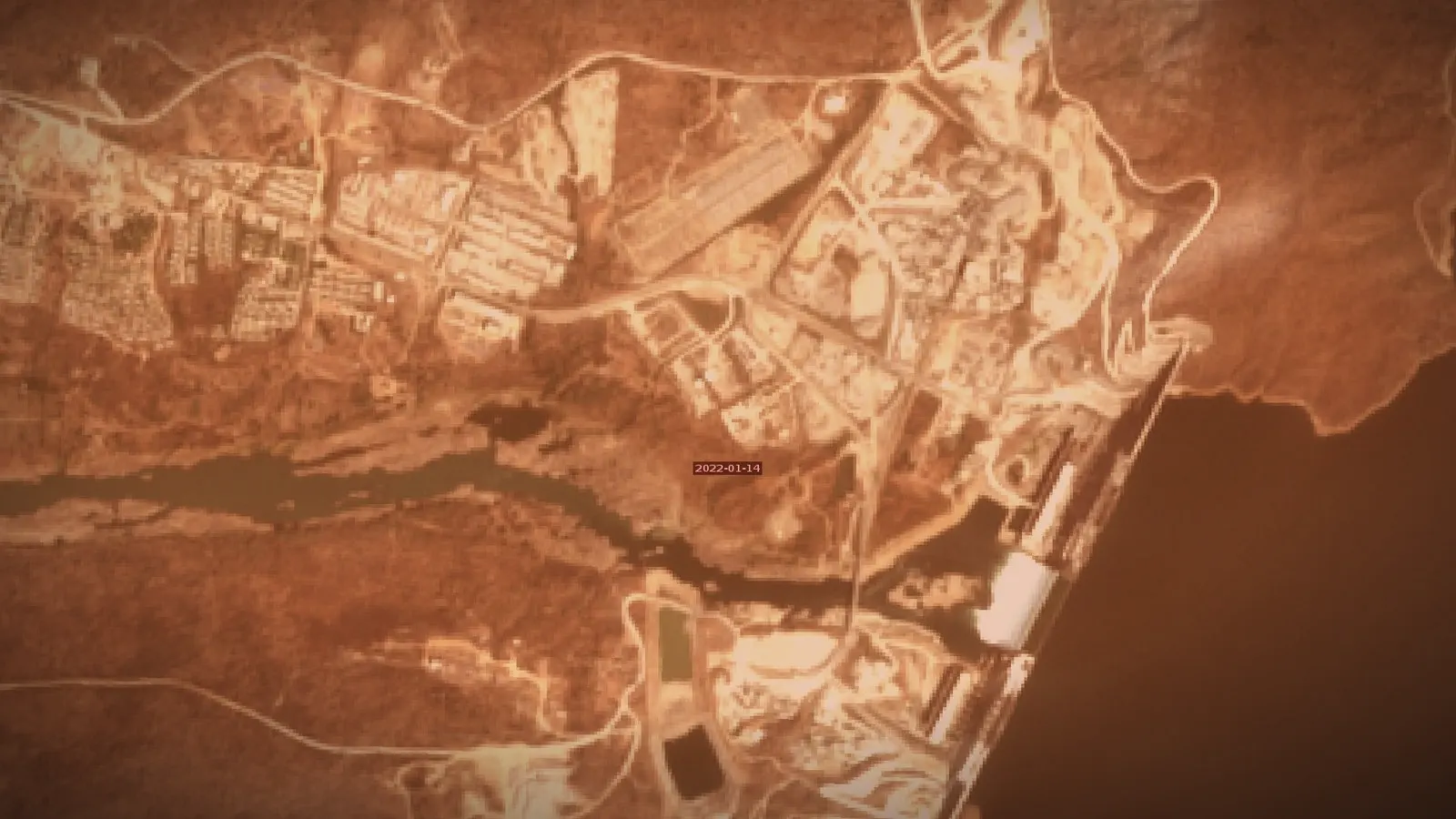
According to Al Jazeera, the declaration calls for "political and peaceful solutions" to the region's conflicts. It demands a political process in Sudan led by the Sudanese people themselves and expresses support for the military government in Khartoum. It also opposes Ethiopia's "unilateral measures" regarding the Nile, an issue that has poisoned relations between Cairo and Addis Ababa for more than a decade.
Before the opening of discussions, Abdel Fattah el-Sisi had advocated for "dialogue, not confrontation," reports allAfrica. Neither Al Jazeera nor allAfrica mentions a timeline, a monitoring mechanism, or mediation entrusted to the African Union or IGAD: four states of the Nile Basin and the Red Sea are therefore organizing, for the moment, outside the continental institutions supposed to arbitrate this type of dispute.
Four capitals against one
The context is that of a Horn of Africa that is fracturing. Ethiopia is facing an alliance of seven armed groups, according to Al Jazeera. The four signatories accuse Addis Ababa of threatening regional stability; Ethiopia, conversely, accuses them of supporting the rebels, which they all deny, indicates allAfrica. The Eritrean Minister of Information replied that the Ethiopian government was forging a "pretext to attack Eritrea."
On the ground, Ethiopian federal forces recaptured Mekele, the capital of Tigray, on October 3, 2026. The TPLF claims to have "temporarily left Mekele" and to be operating from other positions. According to allAfrica, businesses remained closed in the city and the absence of police forced residents to organize their own security.
What is at stake for Africans
Behind the diplomatic choreography, three African common goods are on the table: the water of the Nile, on which hundreds of millions of people depend; access to the Red Sea, one of the most disputed trade routes in the world; and the end of a Sudanese war that has already forced millions of people onto the roads. These issues call for African responses, negotiated and verifiable, not circumstantial alignments.
Time will tell if this declaration opens a negotiation or hardens the blocs. In the meantime, it is the civilians of Tigray, Kordofan, and the banks of the Nile who are paying the price.
This article was written in French with the help of artificial intelligence from the sources cited below, then translated from French automatically. Read the original.