El Hierro declares emergency after 3,300 arrivals, 491 would-be migrants arrested in The Gambia
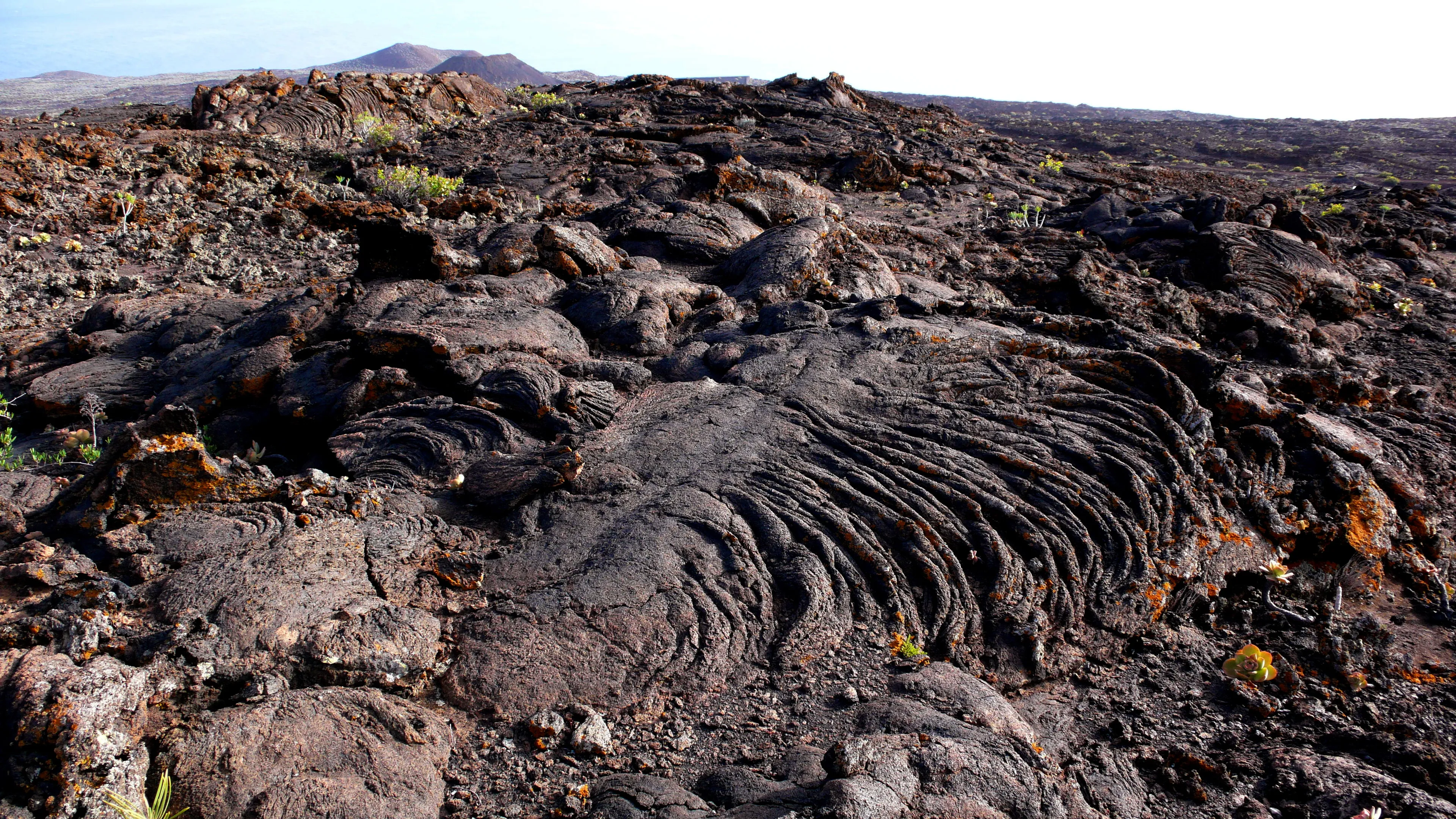
Authorities on the island of El Hierro, the smallest of the Canary Islands, have declared a state of emergency following a sharp rise in sea arrivals: more than 3,300 people have landed there since the beginning of November 2026, aboard about thirty vessels, according to local authorities cited by Africanews on November 19. A field hospital has been set up in a temporary reception center.
Alpidio Armas, president of the island's government council, told Spanish television that he was "very concerned" by this sudden increase. He described the reception conditions at the island's hospital as "undesirable" and explained that the emergency had been declared to establish a framework for cooperation with higher-level institutions.
Departures pushed further south
The overall number of arrivals is falling: 13,327 migrants arrived irregularly by sea in Spain between January 1 and October 31, 2026, which is 5.5% less than a year earlier, according to the Spanish Interior Ministry cited by Africanews. This is far from the record of more than 46,000 arrivals in 2024. However, the strengthening of patrols off the coasts of Senegal, Mauritania, and Morocco has shifted departure points toward The Gambia, Guinea-Bissau, and Guinea: these are longer, and therefore deadlier, crossings.
The cost is evident in the facts reported in recent days: two people were found dead on a boat en route to the Canaries, and five others reportedly died during the crossing according to survivor accounts, reports Africanews.
491 arrests in one day in The Gambia
On November 19, 2026, the Gambian Department of Immigration intercepted 491 would-be irregular migrants in the North Bank and West Coast regions, specifically in Gunjur and Brusubi, according to Seneweb. The report released by the Gambian administration lists 275 Gambians, 210 Senegalese, 5 Guineans, and one Bissau-Guinean, including 21 women and 29 minors—23 boys and 6 girls. All these individuals were taken to the Tanji migration center.
A few days earlier, the Senegalese police had intercepted 142 people off the coast of Dakar, including women and young children: 40 Senegalese, 93 Gambians, one Bissau-Guinean, two Guineans, and two Nigerians, according to Africanews. The NGO Action for Human Rights and Friendship (ADHA) has called on the Senegalese state to address the dangerous departures toward Europe.
These figures tell the story of a single route, captured at both its ends: young West Africans setting sail, and the smallest of the Canary Islands setting up medical tents to receive them. Between the two lies the ocean and a European policy that shifts departure points without addressing the reasons for leaving.
This article was written in French with the help of artificial intelligence from the sources cited below, then translated from French automatically. Read the original.