EU debates suspending the right to asylum after 72,000 people arrive in Ceuta
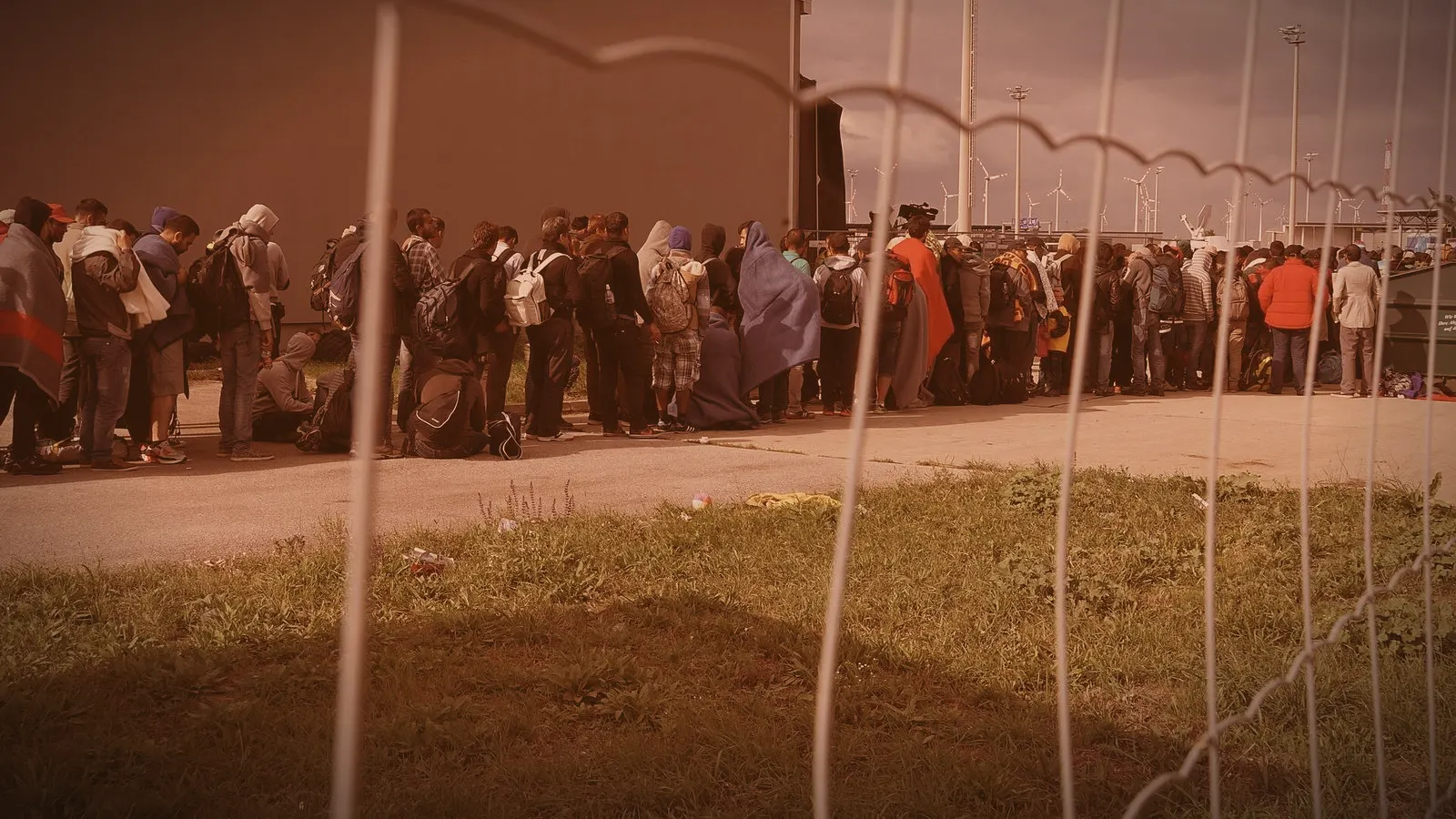
Meeting in Luxembourg for the Justice and Home Affairs Council, European ministers examined a Greek proposal on October 1, 2026: to allow a member state to suspend the processing of asylum applications when facing mass arrivals, reports Euronews. A measure that would primarily affect African nationals, the main users of the Western Mediterranean and Atlantic routes.
"Suspension of asylum": the words of the Greek minister
In these situations, there must be reinforced border surveillance and a "suspension of asylum," declared Greek Migration Minister Thanos Plevris, as quoted by Al Jazeera. His Dutch counterpart, Bart van den Brink, argued for treating these arrivals as a matter of "border management" rather than asylum. European Commissioner for Migration Magnus Brunner stated that Europe needs the means to protect its borders, while also invoking respect for fundamental rights.
According to Euronews, Poland, Germany, Austria, and Denmark were favorable to the approach, with the Belgian Migration Minister stating that there should be "no taboos." The European People's Party, the largest group in the European Parliament, also approves. Conversely, left-wing politicians, migration experts, and civil society organizations denounce a challenge to the right to seek asylum, which is guaranteed by the 1951 Geneva Convention.
Ceuta, the invoked precedent
The central argument of the text's proponents is the episode in the Spanish enclave of Ceuta: more than 72,000 people entered there at the end of July 2026, with about 10,000 still there, according to Al Jazeera. The Austrian minister cited the hypothetical scenario of "70,000 people" arriving in a single day to justify the inapplicability of current rules.
Overall figures, however, tell a different story. Irregular arrivals fell by 35% in 2026 and asylum applications by 17% in the first half of the year, to approximately 332,000, while returns increased by 8% over the same period. The mechanism being discussed would therefore be designed for an exceptional peak, in a context of a general decline in entries.
This discussion comes in addition to a decision already finalized: the same Council adopted return rules authorizing the creation of centers outside the European Union, with the first transfers expected in 2027. For African departure candidates and the families remaining on the continent, the accumulation of these measures mechanically reduces legal avenues for protection without addressing the reasons that drive people to leave.
The European Commission is expected to present a "European emergency response framework" that could incorporate the Greek proposal. No precise timeline has been communicated at this stage.
This article was written in French with the help of artificial intelligence from the sources cited below, then translated from French automatically. Read the original.