Film Africa 2026: Nine Nigerian films featured at the London African Film Festival
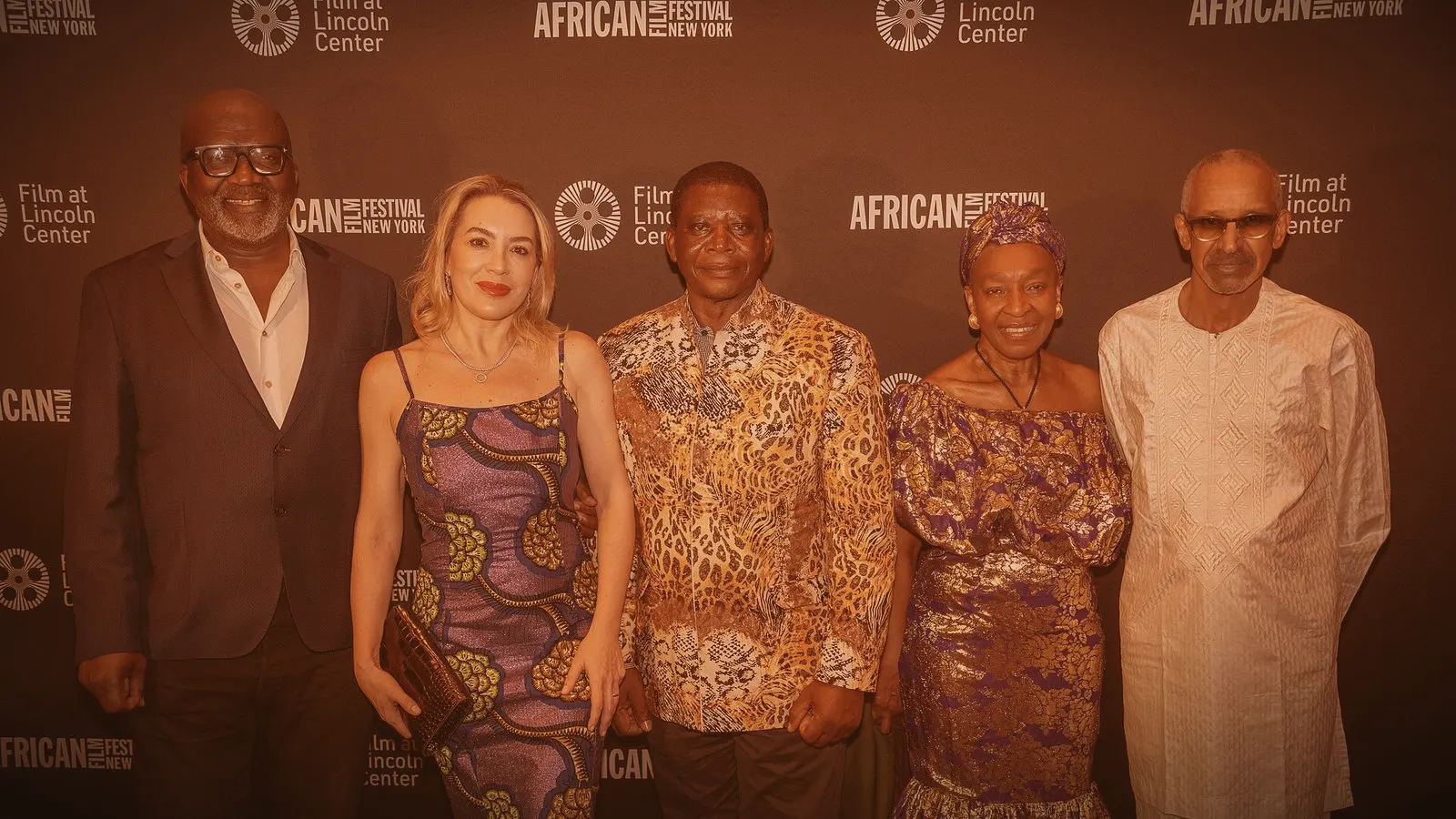
Nigerian cinema will be heavily represented at Film Africa 2026 in London. Nine Nigerian films are on the program for the festival, which runs from October 23 to November 1, 2026, according to the specialized media outlet What Kept Me Up and the festival's website.
Organized by the Royal African Society, which is celebrating its 125th anniversary this year, Film Africa is taking place at the BFI Southbank and partner venues across the British capital. It is billed as the largest annual African film festival in the United Kingdom.
From Nollywood to BFI screens
The Nigerian selection includes "Her Daughters' Mother" by Chinazaekpere Chukwu, "Dear Ajayi" by Damilola Orimogunje, "Clarissa" by Arie and Chuko Esiri, "The Secret Lives of Baba Segi's Wives" by Daniel Oriahi, "Language of the Wind" by Shimataver Igbawua, "Lady" by Olive Nwosu, the documentary "Crocodile" by the collective The Critics, as well as the short films "Birdie" by Praise Odigie Paige and "Obi is a Boy" by Dika Ofoma, reports What Kept Me Up.
"Her Daughters' Mother," the debut feature film by Chinazaekpere Chukwu, will be screened on October 28, 2026, at the recently opened EbonyLife Place London, the same source specifies. The director had previously presented a short film in the shorts category at the AFRIFF festival in 2023.
Two festivals, one generation
One detail speaks volumes about the state of African cinema: "Birdie," by Praise Odigie Paige, is being shown at both Film Africa in London and the Lights Camera Africa! festival, which takes place from October 1 to 3, 2026, in Lagos. The same works, driven by the same generation of filmmakers, are traveling from one continent to another within circuits that remain largely festival-based.
This is where the fundamental issue lies. African films have never been more visible in major European institutions, but filmmakers from the continent are still waiting for distribution networks and theaters that would allow them to first reach their African audience. The fact that Mo Abudu, founder of EbonyLife, has opened a theater in London shows that Nigerian producers are no longer content with just being programmed: they are investing in the infrastructure themselves.
This article was written in French with the help of artificial intelligence from the sources cited below, then translated from French automatically. Read the original.