Forests: Ghana secures $43 million, Gabon sells 6 million tons of carbon
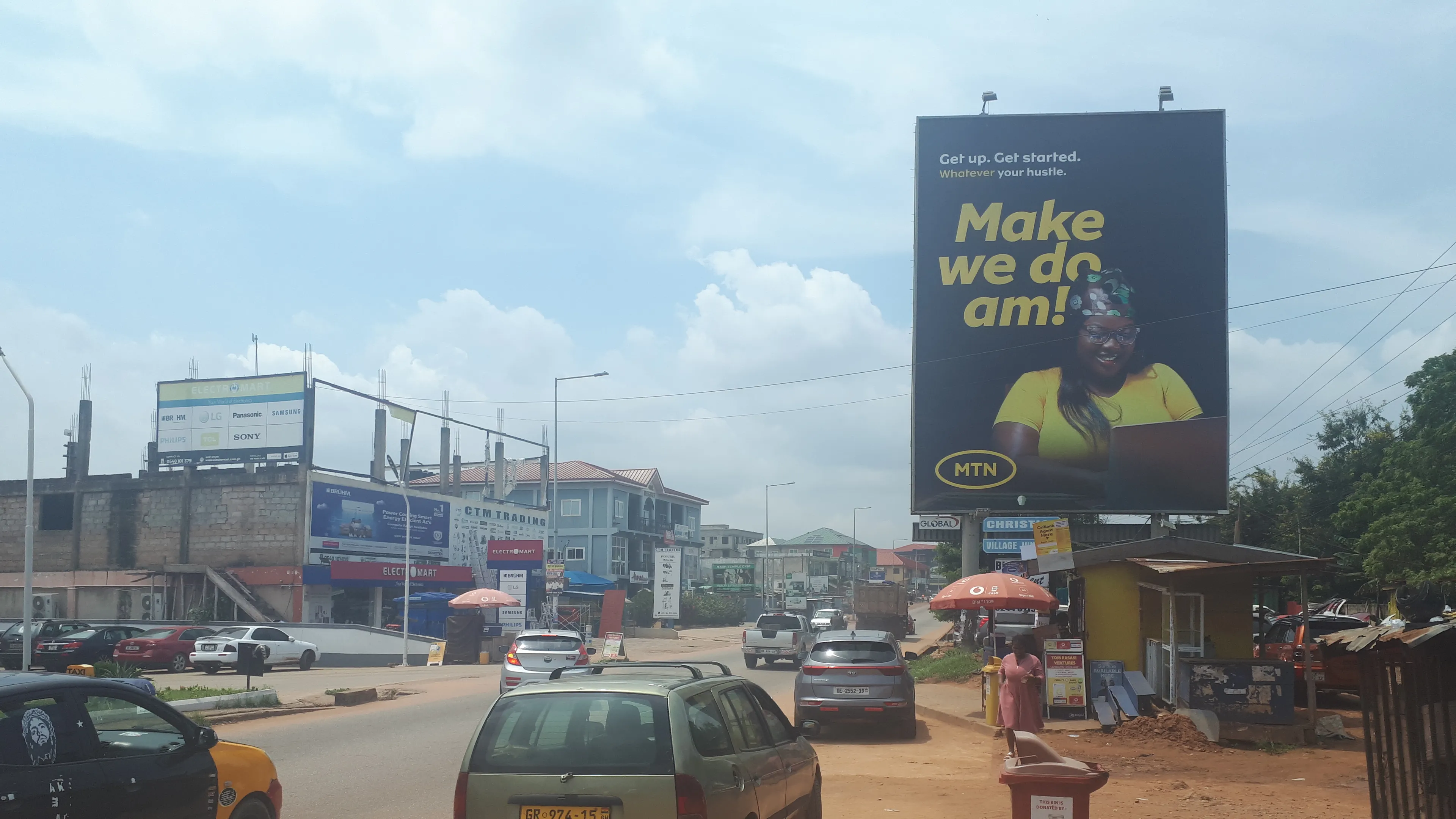
Ghana has unlocked approximately $43 million in expected payments for its forests, just days after a Gabonese agreement involving six million tons of carbon credits, reports the Bird Story Agency on November 12, 2026. Both announcements came as African leaders advocated for more forest investment on November 11 at COP31 in Antalya.
In the Ghanaian case, approximately 6.5 million credits were issued under the ART TREES standard for emission reductions verified between 2017 and 2021 within the national forest program. The LEAF Coalition is among the buyers.
Gabon targets airlines
The Gabonese agreement, concluded in London with SEFE, an energy company owned by the German state, covers credits eligible for CORSIA, the international aviation compensation mechanism. Libreville claims to be the first African country to conclude such a sale for credits measured across its entire territory. The first deliveries are expected in the first quarter of 2027; the price was not disclosed.
Gabon is no novice: in 2021, it was the first African country to receive payments for reducing deforestation, with an initial $17 million from the Central African Forest Initiative, part of a $150 million agreement signed in 2019. Its forests absorb approximately 140 million tons of CO2 per year, according to CAFI.
The "time for declarations" has passed
Other countries are playing their cards. Congolese President Félix Tshisekedi announced a plan to plant 100,000 hectares and asserted that forest financing must benefit communities, particularly women and youth. In Brazzaville, Minister of Forest Economy Rosalie Matondo claims more than 14 million trees have been planted and more than 27% of the territory is reserved for parks and wildlife. According to her, "the time for declarations" must give way to measurable results.
Nigeria wants to finance the protection of its forests through green bonds, according to its Minister of Environment Balarabe Abbas Lawal. Ethiopia, for its part, will host COP32 in Addis Ababa.
Who will get the money?
The imbalance is striking: forests receive less than 1% of global climate financing even though they represent about a fifth of the most cost-effective options for reducing emissions, according to the Forest and Climate Leaders' Partnership.
What remains essential for the inhabitants of these forests is revenue sharing. Gabon will hold the funds from the sale to SEFE until new national rules come into force that will determine the communities' share. Furthermore, ART TREES credits are issued outside the UN system, with their own controls, which leaves questions open regarding the reliability of measurements and the actual duration of protection.
This article was written in French with the help of artificial intelligence from the sources cited below, then translated from French automatically. Read the original.