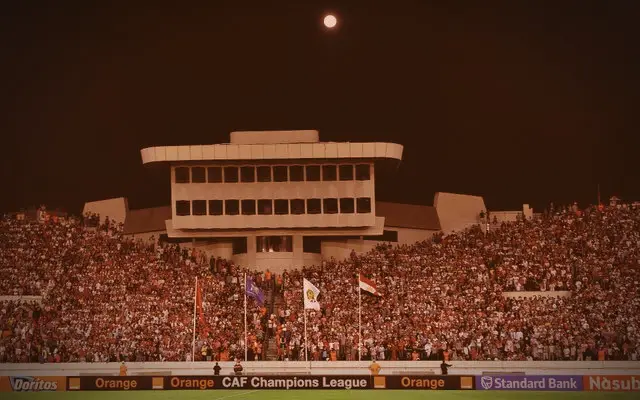
Futsal AFCON: Algeria beats Zambia 7-4 and reaches the semi-finals in its first appearance
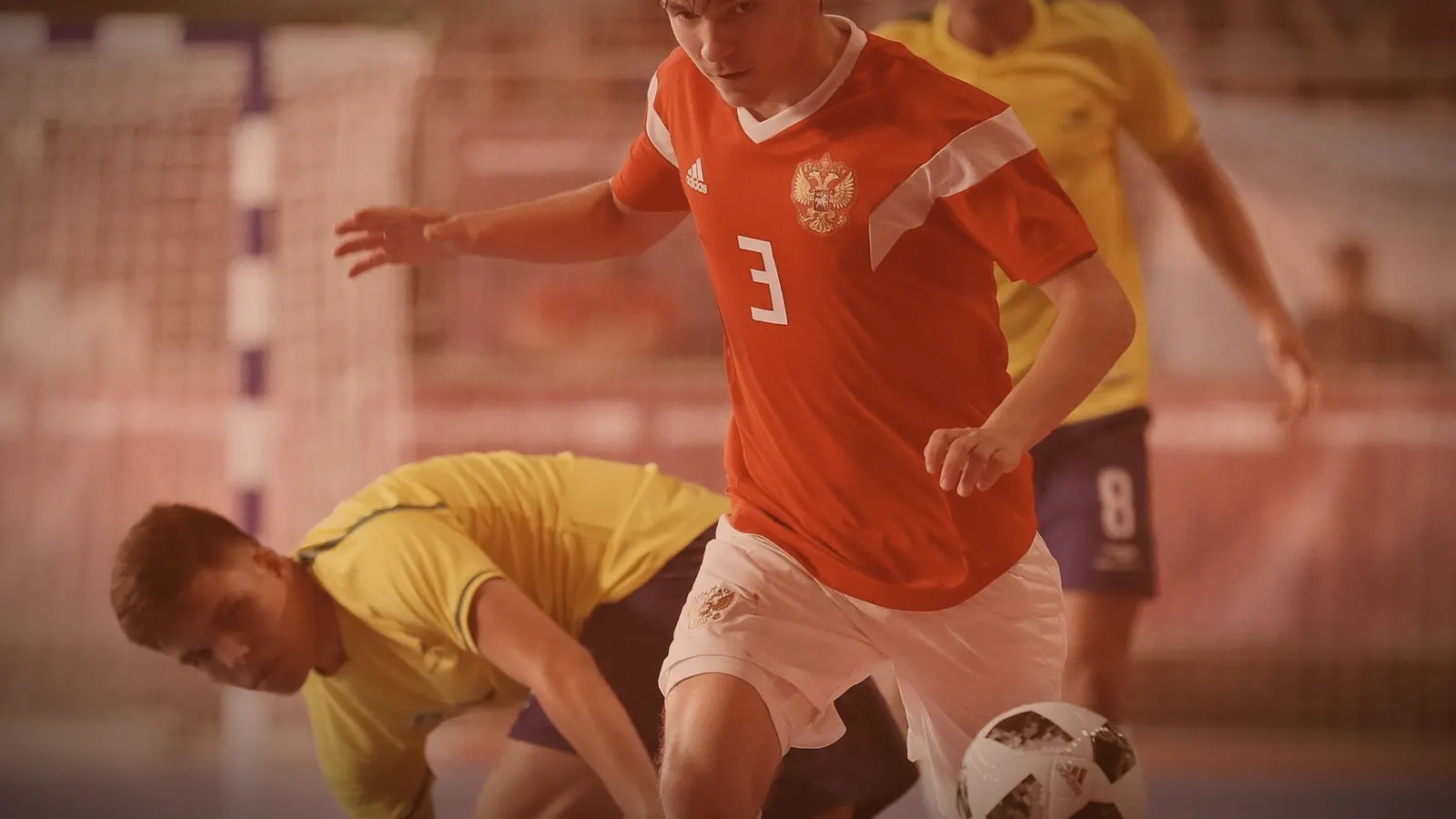
Algeria qualified for the semi-finals of the Futsal Africa Cup of Nations on Friday, October 16, 2026, in Rabat, by beating Zambia 7-4 during the final day of Group A. This is the country's very first participation in this competition, and it was also its first victory.
Pivot Walid Betterki scored five goals on his own, two in the first half and three after the break, reports Afrik-Foot. The Zambians fought back three times in the match, at 1-4, 2-4, and then 3-4, before the Algerians made the difference in the final stretch.
Beaten 4-0 at the start, qualified six days later
Nothing was written in stone, however. For its entry into the tournament on October 12, Algeria had been soundly beaten 4-0 by Morocco. It then snatched a 2-2 draw against Libya on October 14. Three matches, only one success, and a qualification at the end: the final four was already an achievement even before kickoff.
Morocco, the defending champion, has not conceded a single goal
The tournament, organized in Morocco from October 12 to 21, 2026, brings together eight teams divided into two groups of four, according to the APA agency. The top two from each group advance to the semi-finals.
Second in Group A, Algeria will face the winner of Group B in the final four. Morocco will face the runner-up of that same group.
The two semi-finals are scheduled for October 19, at 5 p.m. and 8 p.m. The third-place match and the final will be played on October 21, at 5 p.m. and 8 p.m. Second in its group, Algeria will face the winner of Group B.
Futsal remains an indoor sport with limited resources on the continent, where only a few federations invest sustainably. That Algeria reached the final four in its first appearance, and that Morocco is putting on such demonstrations, says something about the progress made: the discipline is no longer a curiosity, it is a serious pathway.
This article was written in French with the help of artificial intelligence from the sources cited below, then translated from French automatically. Read the original.