Ghana: Key interest rate falls to 11%, and bank lending rates drop from 22.2% to 15.8%
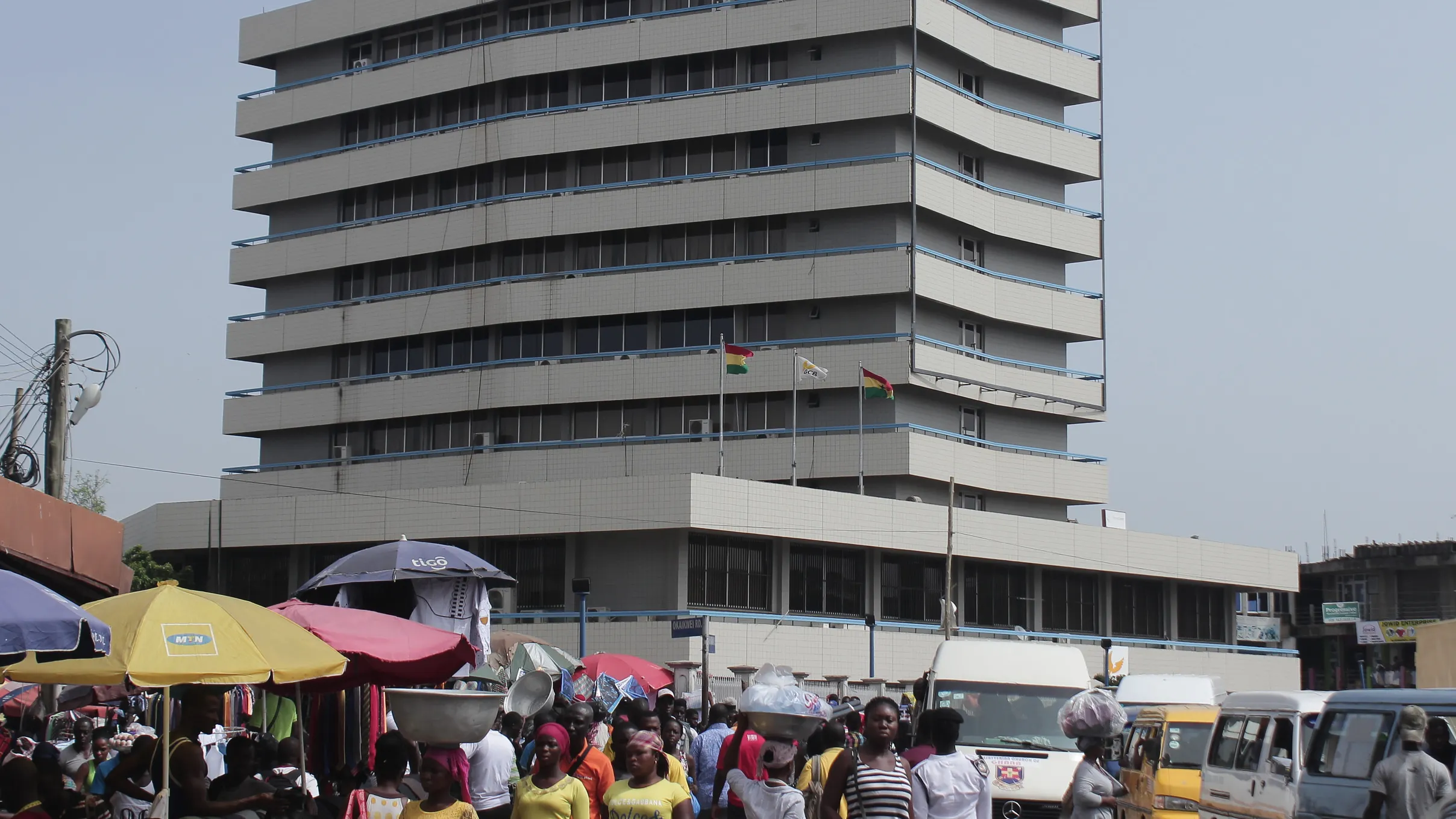
The Bank of Ghana lowered its key interest rate from 14% to 11% on Wednesday, November 18, 2026, following the 133rd meeting of its Monetary Policy Committee, held from November 16 to 18. The 300-basis-point cut was announced by Governor Johnson Pandit Asiama. According to GBC Ghana Online, the rate has now fallen below the 12.5% floor that prevailed between 2006 and 2011, making it the lowest level in decades. This also marks the end of a pause: the rate had remained at 14% during the meetings in May, July, and September 2026.
What this changes for a Ghanaian borrower
The move comes after a spectacular easing in the cost of money. The average bank lending rate fell to 15.8% in October 2026, down from 22.2% a year earlier, according to central bank figures reported by CitiNewsroom, Graphic Online, and MyJoyOnline. Credit to the private sector jumped by 37.2% year-on-year in October, compared to 13.9% the year before—or 30% in real terms, once inflation is deducted. Banks have also cleaned up their balance sheets: Graphic Online reports that the non-performing loan ratio has been reduced to 13.1%, down from 19.5%, for a total asset base of 512.9 billion cedis.
For a trader in Accra or Kumasi financing their stock, for a transporter replacing a vehicle, or for an SME hiring staff, the gap between 22% and 16% annual interest is not just a line on a report: it is the difference between a viable project and an abandoned one.
Low inflation, but rising due to public utility tariffs
Headline inflation stood at 5.5% in October 2026, following 5.2% in September, remaining below the lower bound of the medium-term target, which GBC Ghana Online places at 8% plus or minus 2 points. The details are less reassuring than the total: food inflation fell to 2.8% from 4.0%, but non-food inflation rose from 6.2% to 7.9%, driven by utility tariffs and high crude oil prices, according to CitiNewsroom. In other words, the burden now weighing on households comes largely from administrative decisions regarding water, electricity, and fuel.
Another indicator deserves attention: gross international reserves stood at 12.1 billion dollars as of November 17, 2026, representing 4.4 months of imports, compared to 13.8 billion at the end of December 2025. The foreign exchange buffer has therefore shrunk at the very moment the central bank is easing rates.
The Governor presented the decision as a catch-up rather than an easing: market rates had already fallen below the key policy rate, he explained according to CitiNewsroom and Graphic Online, which quote him speaking of a "realignment, not a reduction." At the same time, the bank replaced its 14-day open market instrument with a 7-day instrument and tightened its monetary policy corridor from plus or minus 400 to plus or minus 100 basis points. The committee will meet again in January 2027.
This article was written in French with the help of artificial intelligence from the sources cited below, then translated from French automatically. Read the original.