Ghana: Moscow commits to banning the recruitment of Ghanaians for the war in Ukraine
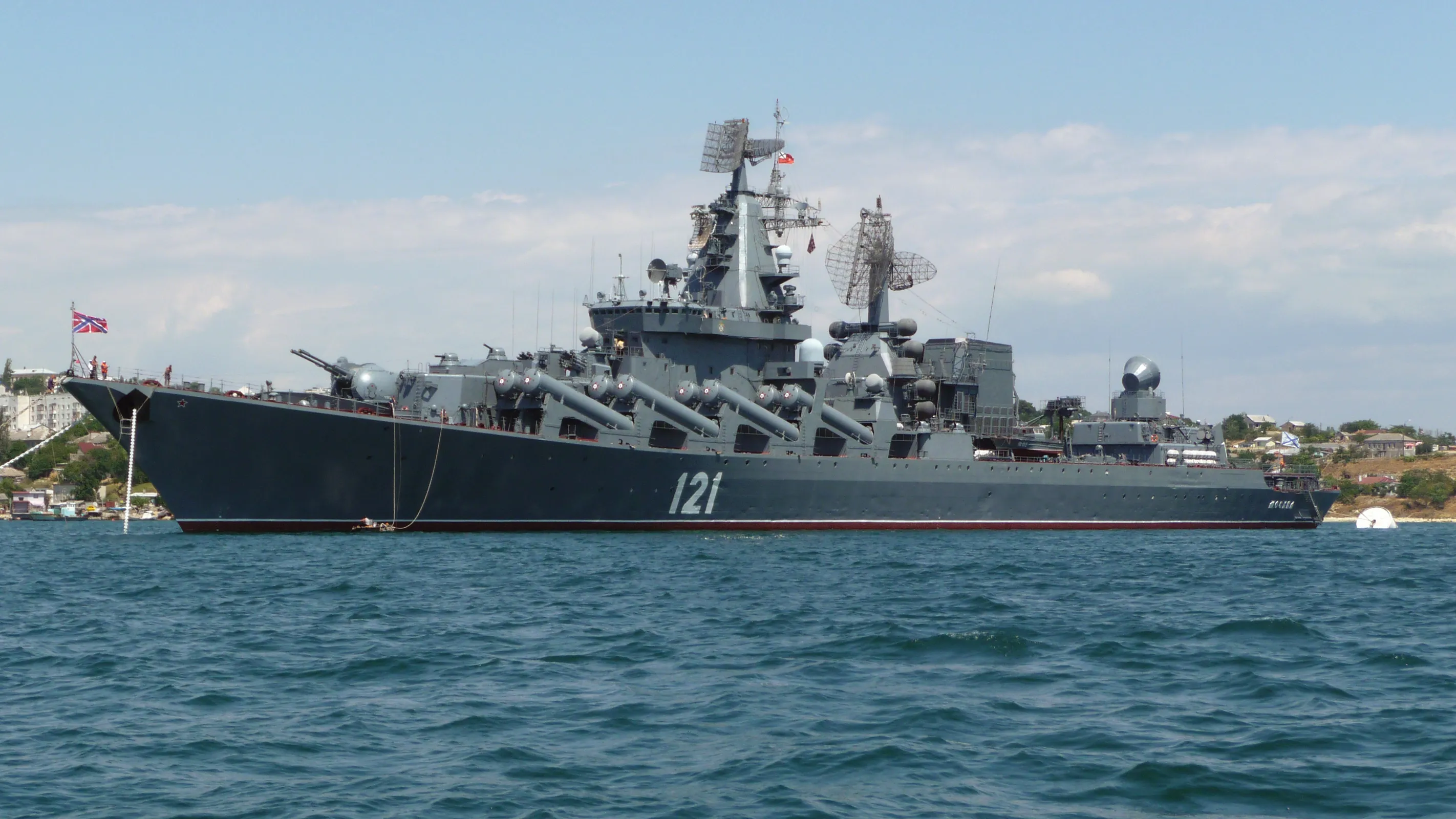
Russia has committed to stopping the recruitment of Ghanaian nationals to fight in Ukraine, the Ghanaian government announced in a statement reported by Africanews on November 2, 2026. The assurance was reportedly given by Vladimir Putin on the sidelines of the Russia-Africa summit in Moscow, after Ghanaian President John Mahama raised the issue during their meeting on October 30, 2026.
Men recruited, then killed
According to Africanews, more than 270 Ghanaians had fought for Russia by mid-August 2026. At least 62 of them have been killed and fifteen are missing. In October, Accra had publicly stated that its citizens had been "tricked" into joining the Russian war effort and asked Moscow to take action. The announced commitment would cover both recruitment channels: irregular networks and enlistments presented as voluntary.
A phenomenon affecting the entire continent
Ghana is not alone. Kenya, South Africa, Nigeria, Cameroon, and The Gambia are also complaining about seeing their nationals lured by false promises of employment or scholarships, reports Africanews. Ukrainian officials indicated during the week of October 26, 2026, that a Botswana citizen, recruited via social media, had been killed in the Luhansk region. The pattern described is the same everywhere: a job or training offer, a visa, and then a military contract signed in a language the candidate cannot read.
An announcement to be verified
Caution remains necessary regarding the real scope of this commitment. Africanews specifies that the information comes from the Accra statement and that Moscow has not issued any direct declaration on the subject. No control mechanism, no timeline, and no concrete measures have been announced to enforce the ban, and the fate of Ghanaians currently under contract is not specified.
What this says about the balance of power
The fact remains that an African head of state has obtained, in a face-to-face meeting, a public commitment regarding the lives of his nationals. This is the kind of result that African diplomacy has the right to demand from all its partners, in Moscow and elsewhere: the value of a summit is not measured by the number of memorandums signed, but by what it changes for the families waiting for a son or a brother. For the fifteen Ghanaian families whose loved one is missing, Moscow's commitment does not yet answer the only question that matters.
This article was written in French with the help of artificial intelligence from the sources cited below, then translated from French automatically. Read the original.