Guinea-Bissau: ECOWAS asks the junta to review its transition extended until 2028
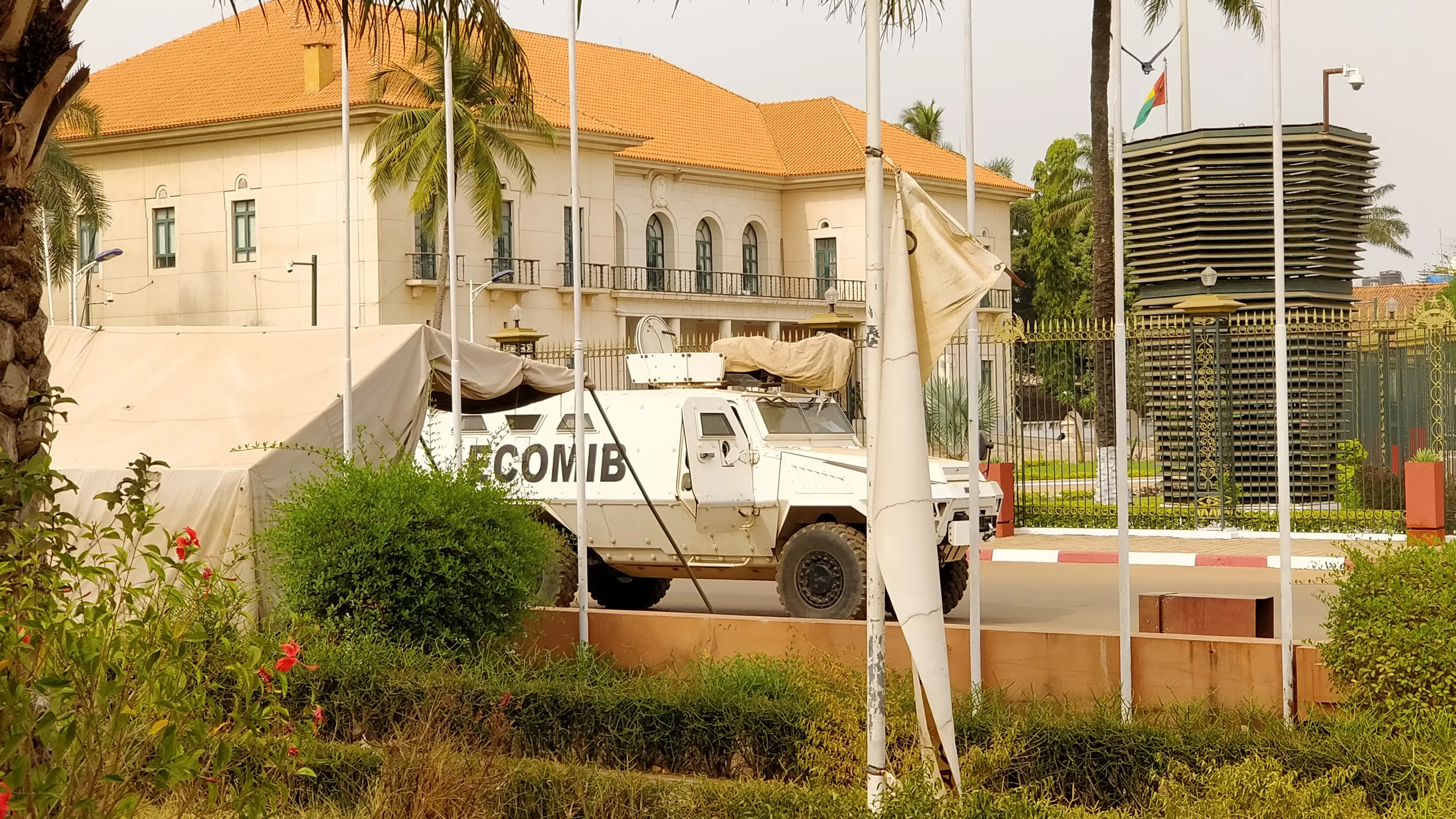
The Economic Community of West African States (ECOWAS) asked the military in power in Bissau on November 28, 2026, to reverse the extension of their transition until November 26, 2028. In a statement reported by the media outlets Koaci and Guinee360, the regional organization expressed its "deep concern" and called on the authorities to "reconsider this extension."
Two days earlier, the junta had announced the postponement of the presidential and legislative elections, initially expected in December 2026, to November 2028, according to Guinee360. To justify this delay, it cited "insufficient technical, material, and financial resources," the need to preserve the credibility of the vote and public trust, as well as the preparation for the country's first municipal elections.
Senegal appointed as mediator
ECOWAS reiterated its "consistent position in favor of a short-term transition," limited in time and inclusive, and denounced a unilateral approach decided without prior consultation, reports Guinee360. It is asking the transitional authorities to engage with Senegal, which it has appointed as mediator, to establish a roadmap and an electoral calendar accepted by the various parties.
According to Koaci, the organization also insists on the preservation of fundamental freedoms, political and civic rights, and the participation of all components of society. It stated that it is ready to support the transitional authorities in shortening the duration of the transition.
Three years of military rule
Guinea-Bissau has been led by the military since November 26, 2025, when General Horta Ntam took power following the overthrow of President Umaro Sissoco Embalo, while the electoral process was suspended, recalls Guinee360. If the announced schedule is maintained, Bissau-Guineans will have waited exactly three years before returning to the polls.
Neither ECOWAS nor the African Union has announced the suspension of Guinea-Bissau, and no deadline or sanctions are mentioned in the statement as reported by these two media outlets. According to Koaci, the organization intends to continue its diplomatic efforts in coordination with the African Union and the United Nations to promote a return to constitutional order.
The issue goes beyond an electoral calendar: it concerns the right of Bissau-Guineans to choose their own leaders and the ability of African institutions to enforce their own rules when a military power settles in for the long term. The Senegalese mediation will be the first verifiable test of this.
This article was written in French with the help of artificial intelligence from the sources cited below, then translated from French automatically. Read the original.