Guinea: Over 1,200 artisanal miners on trial in Conakry, 160,000 people expelled to Mali
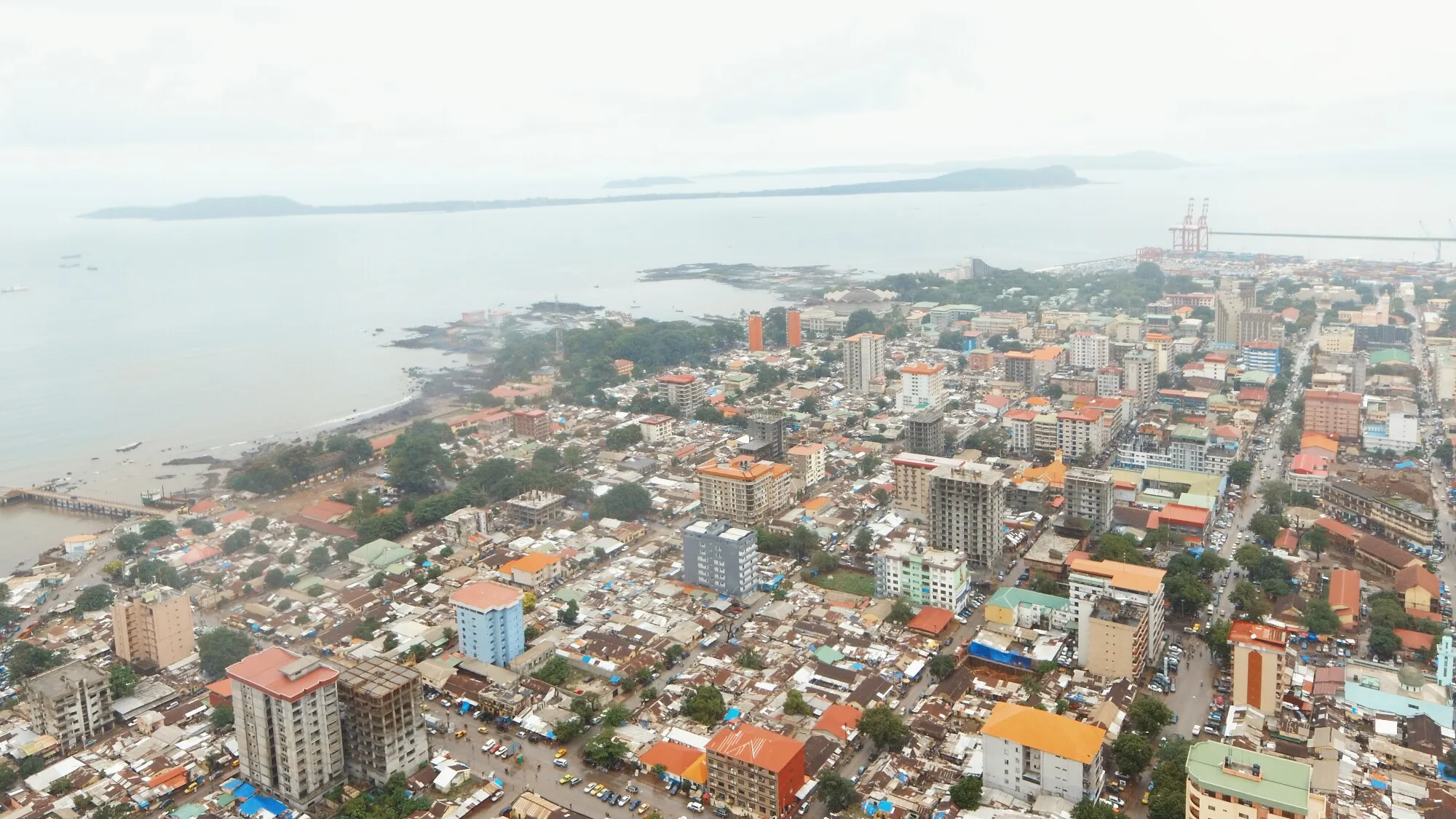
A trial involving more than 1,200 people prosecuted for illegal gold mining has opened in Conakry, following a vast operation carried out in the gold-rich Siguiri region in northeastern Guinea, reports Africanews.
According to the same media outlet, 1,263 people were arrested after the ban on illegal gold mining came into effect on November 2. Africanews does not specify how this figure aligns with the number of defendants presented before the court. The arrested individuals are of Guinean, Burkinabe, Malian, Togolese, Nigerien, Ivorian, and Ghanaian nationalities: the entire West African mining workforce is represented in the dock.
"The real culprits are elsewhere"
Two lines of defense are clashing. Sidiki Berete, a lawyer for dismissed administration officials, argues that recently appointed authorities cannot be held accountable for a situation they inherited, and he rejects the corruption allegations: according to him, no link has been established between the arrested individuals and the officials accused.
Abou Camara, a lawyer for the artisanal miners, asserts for his part that the true perpetrators of the illegal exploitation are not in the courtroom. He denounces the prosecution of people who, according to him, have nothing to do with the charges of illicit enrichment. Both arguments remain at the pleading stage at this point; the presumption of innocence applies to all defendants.
The human cost, on the other side of the border
The bill does not stop at the courthouse. Neighboring Mali claims to have received approximately 160,000 people expelled from Guinea since the start of the operations and is warning of a humanitarian emergency, according to Africanews. Behind these figures are West African families who have lost their only source of income in a matter of days, and Malian villages that must feed them without additional resources.
Regaining control of gold, yes, but at whose expense?
Guinea is rich in gold and bauxite and is seeking to strengthen its control over its extractive sector, indicates Africanews. The authorities also cite the damage caused by illegal gold mining: soil degradation and water pollution. This ambition is legitimate: a country has the right to decide who exploits its subsoil and under what conditions, and wildcat mining is poisoning African lands and rivers for the long term.
But sovereignty over resources is also measured by where it hurts. For now, it is the diggers and laborers, often nationals of neighboring countries, who are appearing in court and being sent home by the tens of thousands. The networks that buy, transport, and export this gold are not appearing in this trial. It is up to the Guinean justice system to show, in the upcoming hearings, that it is also trying those who are cashing in.
This article was written in French with the help of artificial intelligence from the sources cited below, then translated from French automatically. Read the original.