Lagos Fashion Week: Over 60 designers for the 15th edition, and a governor on the runway
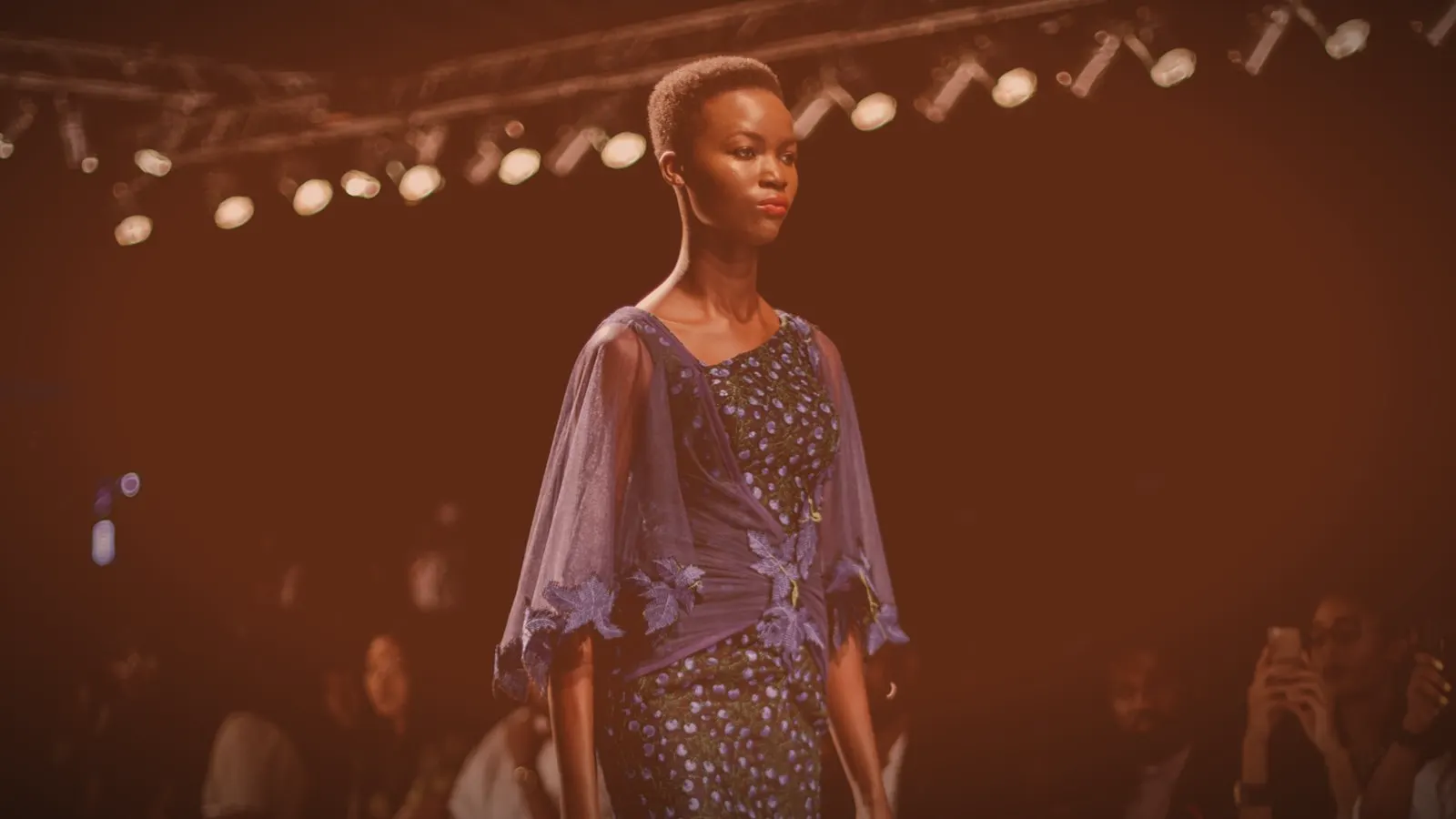
The fifteenth Lagos Fashion Week was held from October 28 to November 1, 2026, under the tents of the Federal Palace Hotel in Lagos, with more than 60 designers on the program, reports Premium Times. The theme of this edition, "CRAFTED: Heritage. Innovation. Circular Futures.," places craftsmanship and materials ahead of the silhouette.
The final evening of major runway shows held a surprise: the governor of Lagos State, Babajide Sanwo-Olu, took to the runway for menswear designer Ugo Monye, according to the same newspaper. Lagos "continues to grow as a home for fashion, creativity, and culture," the governor declared. The fashion houses Fruché and Ejiro Amos Tafiri also showcased their collections that same evening.
A manifesto on circularity
Presented by its organizers as the largest fashion event on the continent, the event placed circularity and sustainability at the center this year, with a manifesto titled "Blueprint for a Regenerative Fashion Future," reports Africanews. The text calls for supply chains that regenerate the soil, honor artisans, and "keep value on the continent."
"A stage" for African designers
On-site, Cameroonian designer Queen Tumenta summarized the stakes: African creatives have not had "a stage or a voice for a very long time," she told Africanews, adding that what is being shown in Lagos is "an abundance of what has already existed for years." Cameroonian culinary content creator Pierre Mbengue praised collections that "knew how to blend the contemporary and the traditional." Among the brands exhibited, SEVON DEJANA presented its pieces on Thursday, October 29, 2026.
For an industry that is still largely informal, this visibility is not incidental: it determines access to international buyers and the order books that sustain workshops, weavers, dyers, and embroiderers. Neither Premium Times nor Africanews provides figures on the economic weight of the Lagos week.
The fact that a sitting governor agreed to walk the runway says something about the position Nigerian fashion has attained: it is no longer just a side interest, but a sector that local authorities have an interest in promoting. The next step for the designers will play out elsewhere—in the orders that follow the applause.
This article was written in French with the help of artificial intelligence from the sources cited below, then translated from French automatically. Read the original.