Lamu, the Swahili town that kept its face
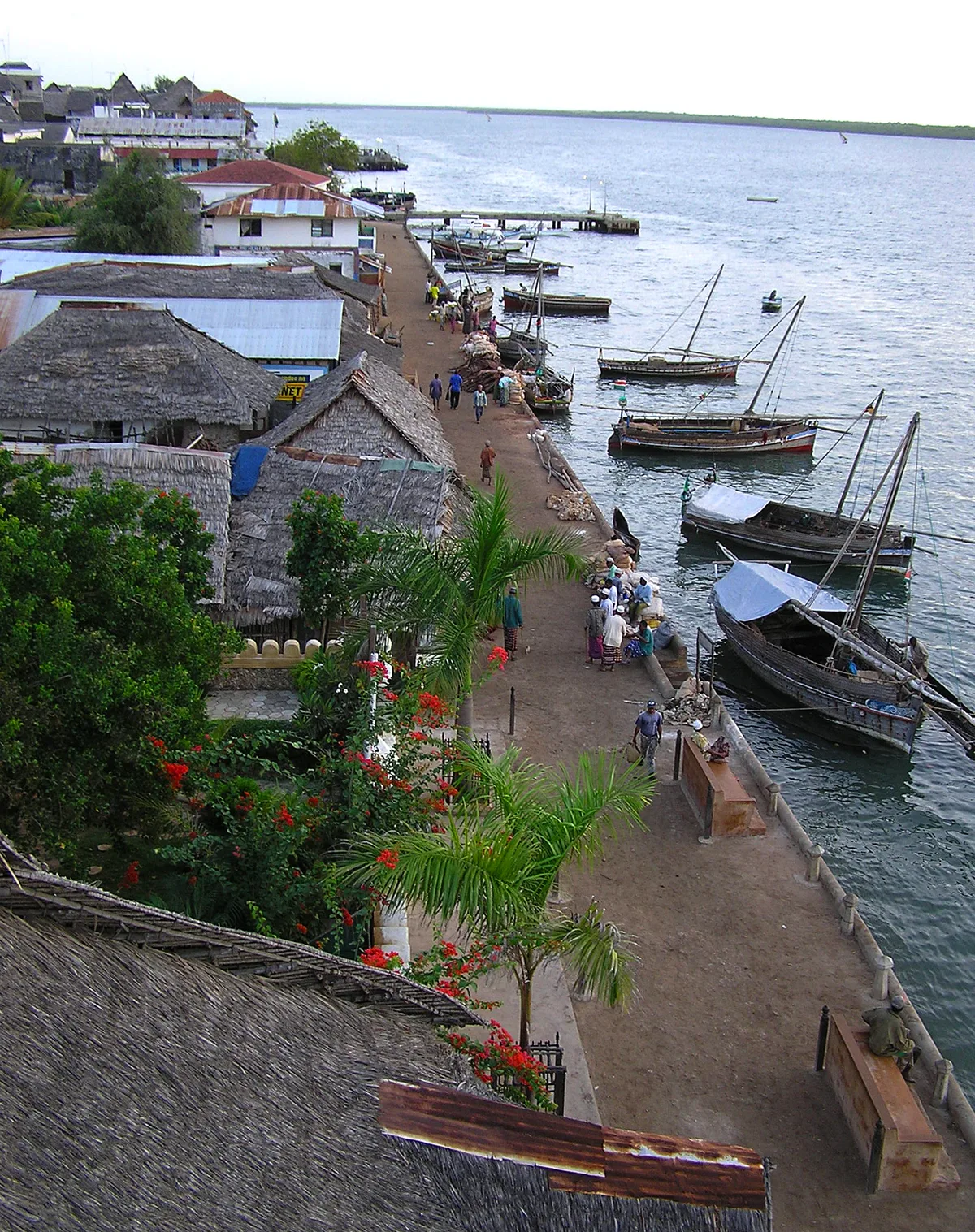
On the northern coast of Kenya, in the Lamu archipelago, an old town has survived for more than seven centuries without losing its face. Its narrow alleys, coral houses, and carved doors earned it a place on the UNESCO World Heritage list on December 16, 2001. Here is what the UNESCO nomination file, which serves as the reference for this article, says.
Alleys made for walking
Lamu is an island. Its narrow alleys and lanes have hindered the arrival of motorized traffic. The file sees this as one of the reasons why the town has remained intact.
More than 700 years of history
The file speaks of more than 700 years of continuous occupation. By the 15th century, Lamu was already a prosperous city-state. It was one of the great commercial centers of East Africa, before other cities, such as Zanzibar, took over.
Coral and wood
The houses are built of coral stone and mangrove wood, with interior courtyards and verandas. To make lime, coral is burned with wood in kilns. This lime is still used for building today.
Carved doors
Seen from the outside, the carved doors are the only details that catch the eye. They guard the entrance to the house and the courtyard.
A town apart
The file describes it as the oldest living Swahili town in East Africa, and the best preserved. In Kenya, it ranks it probably as the third oldest still-inhabited town, after Pate and Mombasa. Lamu has also hosted major Muslim religious festivals since the 19th century.
What we take away
Lamu shows how a town can keep its traditional forms: an isolated island, local materials, carved doors. And you, what would strike you the most? Answer in the comments.
This article was written in French with the help of artificial intelligence from the sources cited below, then translated from French automatically. Read the original.