Liberia: Monrovia to preside over the UN Security Council in December, a first in 65 years
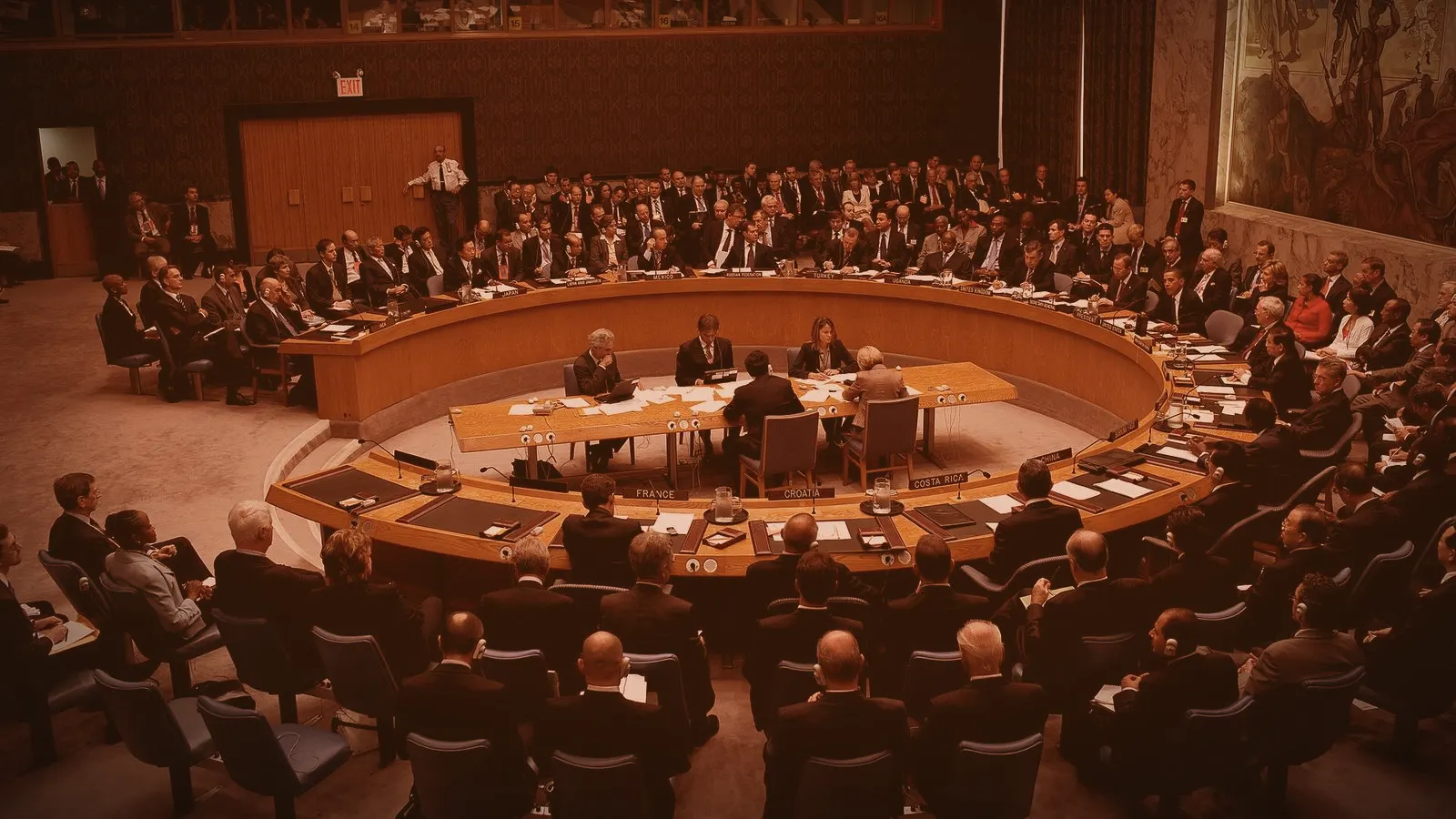
Liberia will preside over the United Nations Security Council in December 2026, for the first time in sixty-five years. The government unveiled the schedule leading the country to this presidency on Monday, October 26, 2026, in Monrovia, reports the daily newspaper The Liberian Investigator. President Joseph Nyuma Boakai is set to chair a high-level debate dedicated to maritime security on December 3.
The presidency of the Council rotates monthly among its fifteen members. Liberia's turn comes in December, as part of the non-permanent member mandate it is serving from January 2026 to December 2027. According to the Liberian Observer, the country secured this seat in June 2025 with 181 votes at the General Assembly. It had only held a seat there once before, in 1961.
From a country under sanctions to a country that presides
Minister of Foreign Affairs Sara Beysolow Nyanti recalled the progress made. During the civil wars, the Security Council had adopted sanctions resolutions against Liberia concerning arms, diamonds, timber, and the travel of its leaders. The last of these were only lifted in 2016. "This is not about an event; it is about a process through history," she stated, according to The Liberian Investigator.
The minister paid tribute to the Women of Liberia Mass Action for Peace movement, whose mobilization helped end the war, and to the United Nations Mission in Liberia. Created by the Council after the 2003 Accra Peace Agreement, UNMIL had more than 15,000 peacekeepers at its peak, the Liberian Observer specifies. She also cited the 2011 Nobel Peace Prize, shared by former President Ellen Johnson Sirleaf and activist Leymah Gbowee. Since 2021, Liberia has in turn been sending police officers and military observers to South Sudan, Mali, and Abyei.
"This seat belongs to Africa"
Monrovia is highlighting five priorities for its mandate: women, peace, and security; youth engagement in peacebuilding; the link between natural resources and conflict; climate-related security risks; and reforms to the international peace architecture. "This is Africa's seat," repeats the country's permanent representative to the UN, Lewis Garseedah Brown II.
Joseph Nyuma Boakai cited climate change, irregular migration, poverty, growing inequalities, and artificial intelligence among the issues, asserting that developing countries must have a real influence on decisions. "The international order is being shaped now, and Liberia is at the table," he affirmed.
Before December, the ministry is planning a diplomatic briefing on October 30, the launch of a feminist foreign policy on November 17, a collection of Liberian peace agreements, and a model Security Council debate aimed at the youth.
This article was written in French with the help of artificial intelligence from the sources cited below, then translated from French automatically. Read the original.