Madagascar: Marco Tsaradia elected President of the National Assembly with 129 out of 130 votes
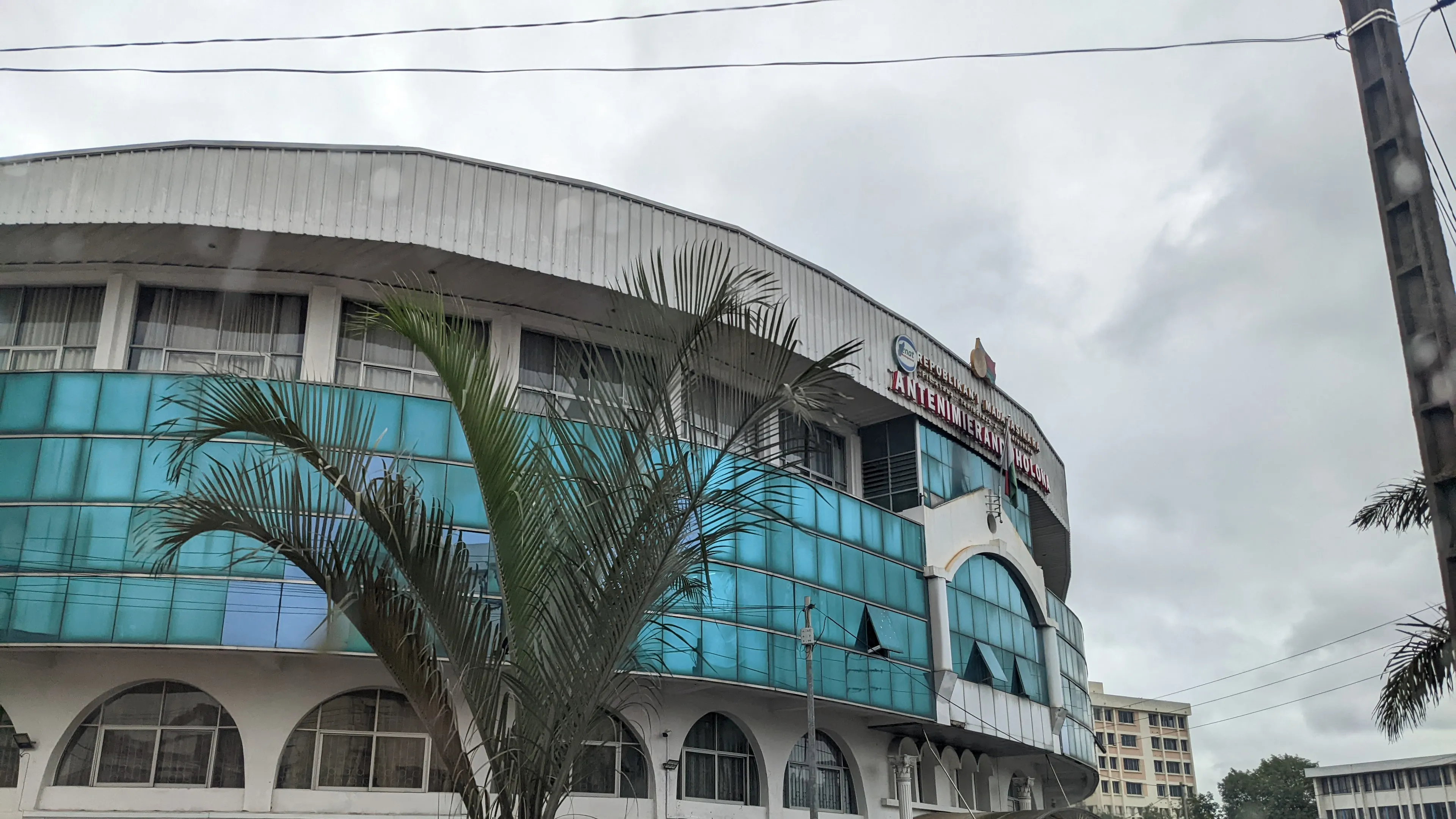
The day after the removal of Siteny Randrianasoloniaiko, Malagasy deputies elected a new president to lead the National Assembly. According to RFI, 38-year-old Marco Tsaradia, deputy for the Ampanihy Andrefana district, was appointed on Wednesday, November 25, 2026. As the only candidate in the running, he received a massive 129 out of 130 votes cast in the lower house.
Marco Tsaradia previously held the position of Vice-President of the Assembly. Elected in 2024 as an independent, he joined the "Platform for the Refoundation of Madagascar" (VFM) upon its creation in August 2026. As secretary-general of this movement, which supports transition leader Michaël Randrianirina, he now embodies the dominant political line within the chamber, which notably includes former members of the Rajoelina camp.
The removal of Siteny Randrianasoloniaiko, which occurred on the night of November 23 to 24, 2026, for a "serious reason," preceded this election. The ousted president had entrusted the interim of his duties to Marco Tsaradia during an official trip to Eswatini. It was during this period that the new president placed the motion for removal on the agenda, a maneuver described as a "stab in the back" by some anonymous parliamentarians.
This change at the head of the legislative institution illustrates a rapid reconfiguration of the balance of power in Antananarivo. While the VFM platform now claims around a hundred members within the Assembly, this transition raises questions about the stability of local political practices. The new president will now have to lead a chamber marked by these recent internal tensions, as the country continues its political transition sequence.
Our perspective
Malagasy parliamentary life is going through a period of turbulence that calls into question the strength of its institutions. Beyond tactical maneuvers, stability and transparency remain essential pillars for guaranteeing sovereignty and respect for citizens' rights. African democracy is strengthened when legislative bodies prioritize substantive debate and the general interest over party politics, thereby ensuring a true representation of popular aspirations.
This article was written in French with the help of artificial intelligence from the sources cited below, then translated from French automatically. Read the original.