Malawi: Three out of four residents drink contaminated water, according to the national statistics office
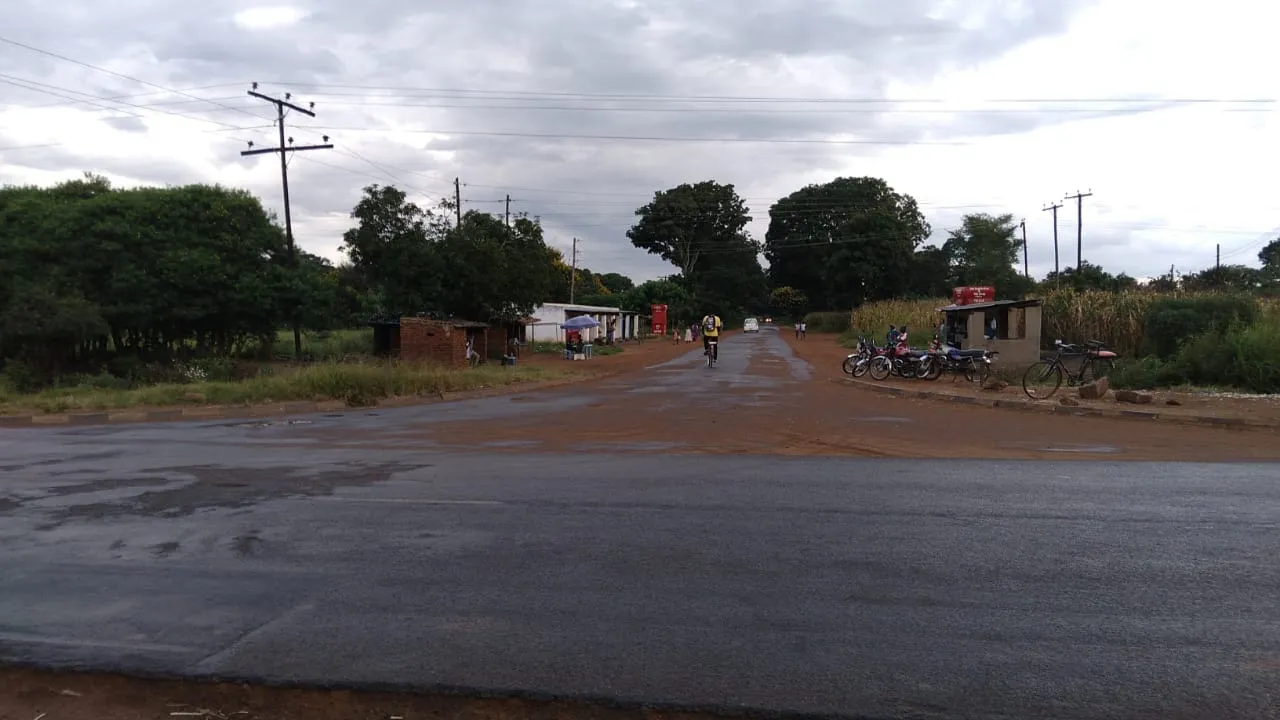
Nearly three out of four Malawians drink water contaminated with fecal matter, according to a survey by the National Statistical Office (NSO) released on African Statistics Day and reported on November 19, 2026, by the Nyasa Times.
The central figure is twofold: contamination affects 74.6% of the population when water is sampled at home, but only 35.0% when tested at the source. The gap points to the real problem: the water largely becomes contaminated between the collection point and the glass.
An "improved" source does not mean safe drinking water
91.2% of Malawian households draw water from so-called improved sources: boreholes, protected wells, public taps, or household connections. However, only 8.9% benefit from safely managed drinking water services. Vitumbiko Mkandawire, executive director of the Water Services Association of Malawi (Wasama), summarizes the lesson: an improved source is not the same thing as safe water. He is calling for more investment in piped water networks, particularly in rural areas, and strengthened water safety plans across the country.
Transport, handling, storage
The report highlights three weak links: water transport, handling, and storage at home. The executive director of the organization Horizon Action, Mr. Mwandira, quoted by the Nyasa Times, deems these results alarming and calls for strict measures to protect water between collection and consumption.
The divide between cities and the countryside remains stark: basic service reaches 93.2% of urban residents compared to 68.9% of rural dwellers. And it is most often women and girls who fetch water from distant sources: the chore and the health risk fall on the same shoulders.
The survey is based on the 2025 Integrated Household Survey and the 2024 Demographic and Health Survey. Its lesson extends beyond Malawi. The "access to water" indicators used to measure the continent's progress state where water is drawn from, not whether it is drinkable. In Malawi, the gap between the two measures is 91.2% versus 8.9%. At this stage, it is no longer a statistical nuance: it is a public health issue and an infrastructure project awaiting funding.
This article was written in French with the help of artificial intelligence from the sources cited below, then translated from French automatically. Read the original.