Mali: 957 tanker trucks escorted to Bamako in one day, 5,396 since September
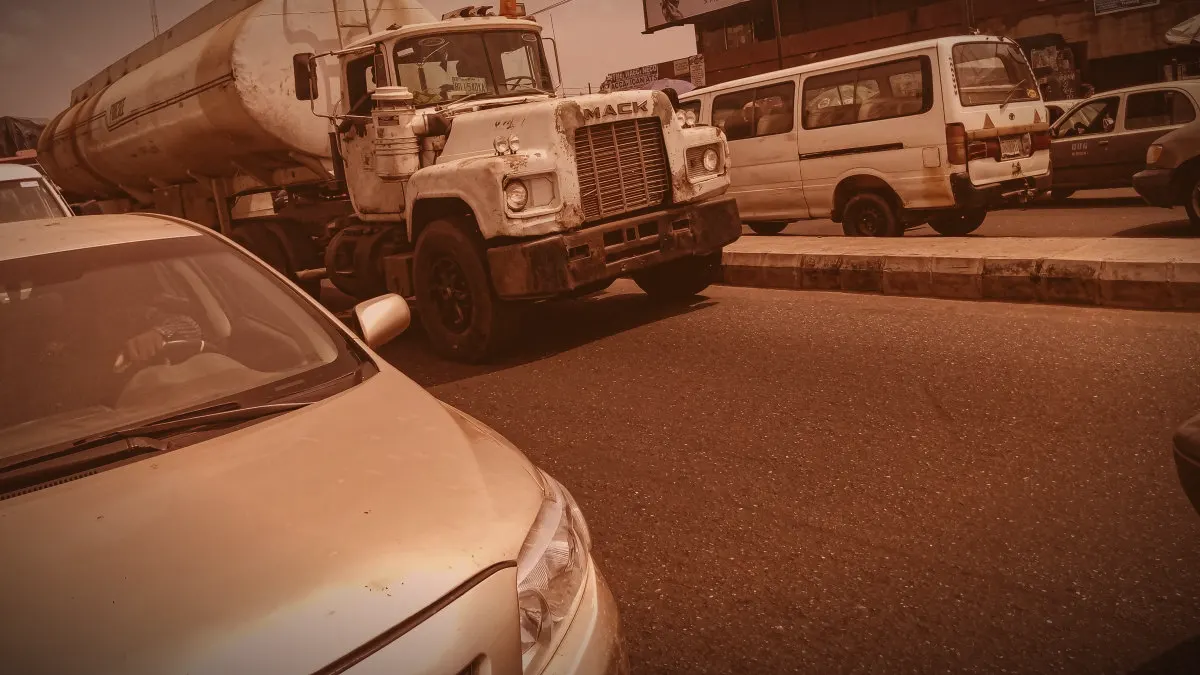
Nine hundred and fifty-seven tanker trucks loaded with petroleum products arrived in Bamako on Saturday, October 10, 2026, under the escort of the Malian Armed Forces (FAMa), according to figures from the General Directorate of Trade, Consumption and Competition (DGCC) reported by the APA agency. This single convoy represents nearly 60% of the petroleum vehicles that have entered the capital since the beginning of the month.
5,396 tankers in just over a month
In September 2026, five convoys had already transported 3,796 tankers to Bamako. On October 3, 643 trucks arrived. With the October 10 convoy, the total has reached 5,396 tankers since the beginning of September, again according to the DGCC. Upon arrival, customs, trade, and national police services take charge of the trucks before they are directed to oil depots and distribution channels.
A landlocked country, dependent on neighboring ports
Mali imports most of its fuel by road from the ports of Dakar, Abidjan, Conakry, and Lomé, covering several hundred kilometers, APA notes. The agency mentions "security incidents" and logistical constraints on certain routes, which have led the authorities to strengthen convoy escorts. This dependence on coastal corridors is the weak point of any landlocked economy: whoever controls the road controls the supply.
8 billion CFA francs for 20 million liters
At the end of September 2026, the West African Development Bank (BOAD) granted 8 billion CFA francs to import 20 million liters of fuel, reports Bénin Web TV. The stated goal of the Malian authorities is to replenish stocks at the capital's depots and gas stations.
A nuance is necessary, however: the authorities communicate about arrivals, not about queues. The DGCC figures describe what enters Bamako and are not enough, on their own, to establish a lasting return to normal at all stations. At the beginning of September, fuel and electricity had become available again in the capital, but supply remained irregular in several areas of the country, the same media outlet notes.
For Malians, the stakes go beyond filling up a tank: fuel powers generators, mills, irrigation pumps, and public transport. Each escorted convoy also serves as a reminder of a broader Sahelian reality: securing a trade route has become a military mission, and the continent's energy sovereignty is played out as much on road corridors as it is in refineries.
This article was written in French with the help of artificial intelligence from the sources cited below, then translated from French automatically. Read the original.