Mauritania: Biram Dah Abeid leaves Parliament, "corruption is widespread"
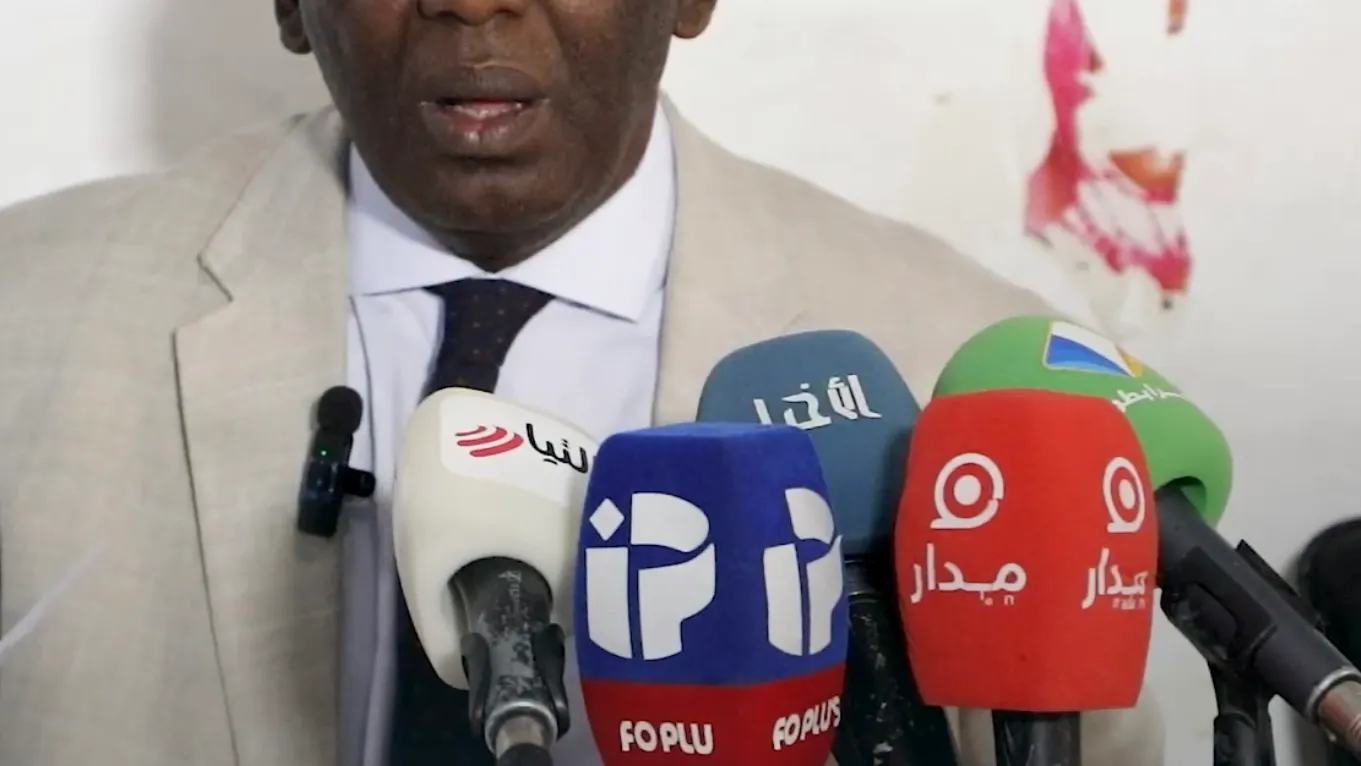
Mauritanian MP Biram Dah Abeid, an international figure in the fight against slavery, announced his resignation from the National Assembly on Monday, November 9, 2026, during a plenary session dedicated to the debate on Prime Minister Mokhtar Ould Djay's general policy statement. "I am announcing my full resignation from my position as a member of parliament for this legislative term," he stated, according to the Nouakchott-based newspaper Le Calame, while thanking the Mauritanian people for their trust.
The reason he puts forward is direct. According to Africa Radio, which cites an AFP dispatch, he justified his departure by citing the "widespread mismanagement maintained by the current government" and asserted before the deputies that "corruption is widespread," noting the absence of prisoners in the country's jails prosecuted for this offense. He also stated that "Debates within the current Parliament are no longer useful."
A seat vacated, a fight relocated
Biram Dah Abeid is not laying down his political arms: he promises to continue opposing the government "by legal means, through struggle, and on the ground," reports Africa Radio. Le Calame quotes him to the same effect, affirming that he will continue the democratic fight alongside the people, in compliance with the law.
His departure does not change the parliamentary arithmetic. During the night of November 9 to 10, the Assembly approved the government's general policy statement by 145 votes to 21 with one abstention, reports allAfrica, which highlights the overwhelming numerical dominance of the presidential majority. The Prime Minister acknowledged the persistence of corruption while defending his actions. According to allAfrica, the procedures for formalizing the resignation and replacing the MP had not yet been clarified.
From prison to the chamber
A descendant of Black slaves, Biram Dah Abeid founded the Initiative for the Resurgence of the Abolitionist Movement (IRA-Mauritania) in 2008. Slavery was officially abolished in Mauritania in 1981, Africa Radio recalls, but its legacy continues to structure society, and the activist has paid a high price for his fight: he was first elected as an MP in 2018 while in prison, and then re-elected in 2023.
A three-time candidate for the presidency of the Republic, he came in second in 2024 with approximately 22% of the vote, behind Mohamed Ould Cheikh El Ghazouani, who was re-elected with 56% according to Africa Radio. This electoral weight makes him the primary face of the Mauritanian opposition.
By leaving the chamber, he is making a gamble: that protest will carry more weight in the streets and at the ballot box than in an assembly where the opposition is in the minority. It is also a signal for Mauritanian political life, at a time when citizens are demanding accountability regarding the use of public resources.
This article was written in French with the help of artificial intelligence from the sources cited below, then translated from French automatically. Read the original.