Mobile money: 4 million CFA franc limit and free transfers in eight countries
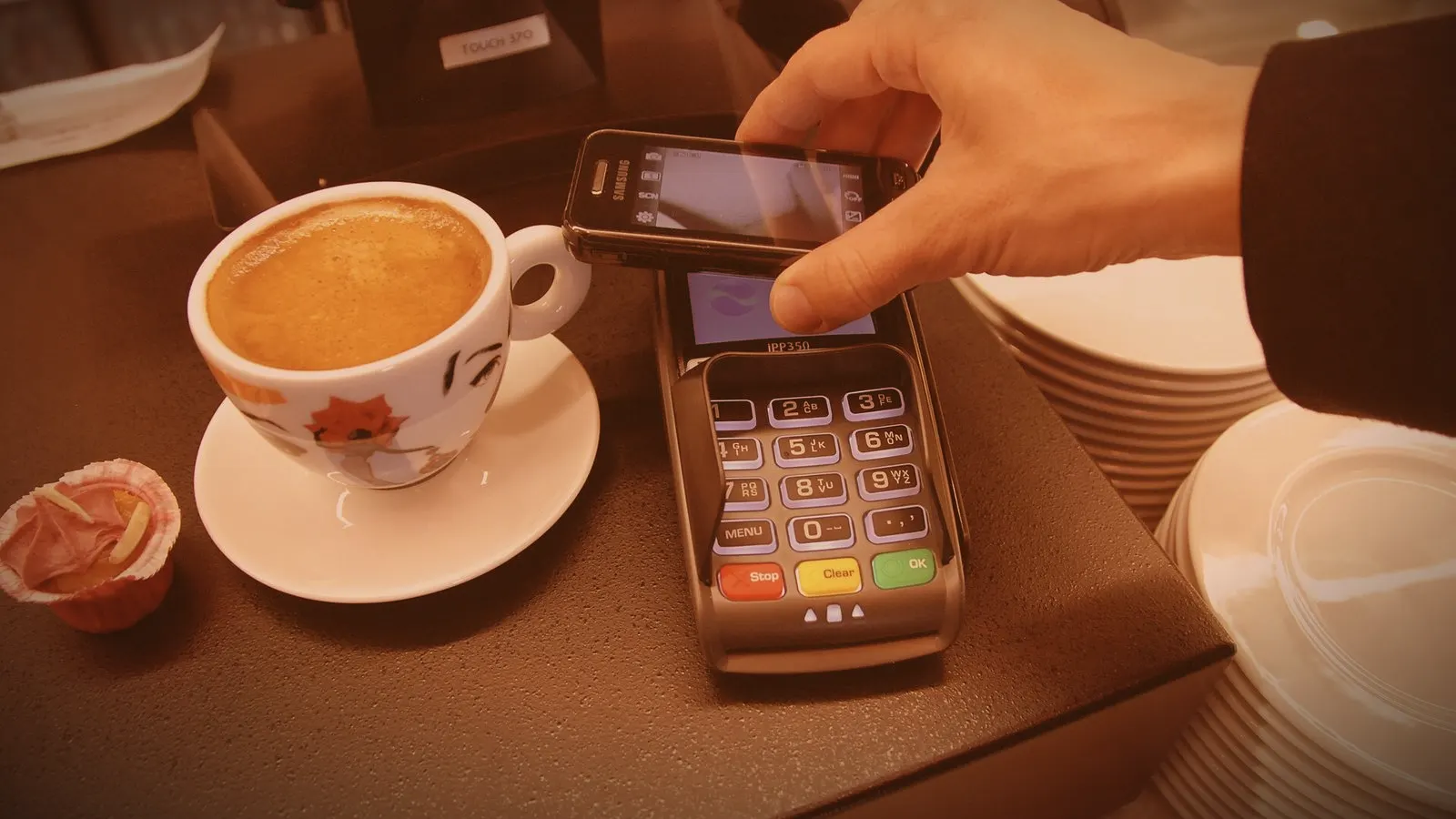
Since Monday, November 2, 2026, mobile money customers in the eight countries of the West African Monetary Union have been able to hold up to 4 million CFA francs in their electronic money accounts, up from 2 million previously. At the same time, the cumulative monthly limit for top-ups has increased from 10 to 15 million CFA francs.
These limits stem from Instruction No. 020 of October 8, 2026, from the Central Bank of West African States (BCEAO), which amends the 2015 rules governing electronic money issuers. They apply to Benin, Burkina Faso, Côte d'Ivoire, Guinea-Bissau, Mali, Niger, Senegal, and Togo. The text was signed in Dakar by Governor Jean-Claude Kassi Brou, reports The Rio Times.
The limit applies per customer and per issuer: if a user holds multiple wallets with the same operator, the balances are added together. Distributors, cash agents, and merchants acting in a professional capacity are not subject to these limits. An issuer wishing to exceed a limit must obtain prior approval from the central bank.
Small national transfers become free
A press release from the BCEAO dated October 2, 2026, also revises the pricing conditions for the PI-SPI regional instant payment system. According to Socialnetlink, national transfers between individuals are now free as long as the daily total does not exceed 8,000 CFA francs per user and per institution, with no limit on the number of transactions. Beyond that, institutions may charge between 0 and 0.8% of the amount excluding tax. Receiving money remains free. Cash withdrawals from agents are excluded from this measure. Free transfers between WAEMU countries are scheduled for June 1, 2027.
What this means for families
For millions of households, these ceilings are not an abstraction: they determine what one can receive from a relative, pay to a supplier, or set aside without going through a bank. In Guinea-Bissau, a country of 2.2 million inhabitants, access to financial services rose from 20.5% in 2018 to 79.5% at the end of 2025, largely thanks to electronic money, Zenaida Maria Lopes Cassamá, the BCEAO national director for the country, stated on September 10, 2026. Remittances from the diaspora accounted for 217 million dollars in 2024, or 9.9% of the economy, according to the World Bank.
Implementation remains to be seen. As of October 30, 2026, no public notice from operators in Guinea-Bissau announcing the application of the new ceilings could be identified, notes The Rio Times.
This article was written in French with the help of artificial intelligence from the sources cited below, then translated from French automatically. Read the original.