Moyale: Approximately 50,000 people have fled Ethiopia to Kenya, 71% are not getting enough to eat

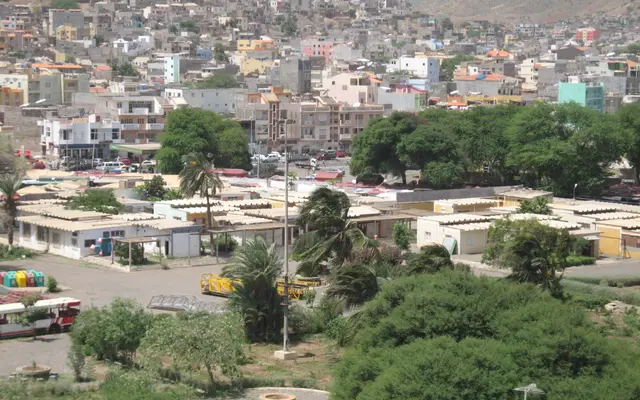
Approximately 50,000 people have crossed the Ethiopian border to take refuge in Moyale, in northern Kenya, since the end of October 2026, fleeing clashes in the Moyale border area on the Ethiopian side. The International Organization for Migration (IOM) and its partners are calling for emergency funding, according to a text from the United Nations news service published on November 9, 2026.
The figures vary according to sources and periods. An assessment conducted by Kenyan authorities on October 29 and 30, 2026, with UN agencies, the Kenyan Red Cross, and other organizations, recorded 35,950 displaced persons as of October 24, including approximately 25,000 hosted by families and nearly 11,000 settled in temporary sites. The regional manager of the Kenyan Red Cross, Malik Adan, later mentioned a shift "from some 36,000 to more than 50,000," reports Al Jazeera, which specifies that no definitive toll has been established independently.
Children, more than half of the arrivals
The rapid assessment, covering 758 households, paints a precise picture of the needs: 71% of the families interviewed are not getting enough to eat and 80% cite food as their most urgent need. Furthermore, 44% report insufficient access to clean water and more than three-quarters have no hand-washing facilities. More than half of the households struggle to access medical care due to costs and medicine shortages.
Nine out of ten people state that their entire village has fled. According to the IOM, more than half of the arrivals are children, many of whom are under five years old. "The families who have fled are facing severe shortages of food, water, and shelter," said the IOM Chief of Mission in Kenya, Nomagugu Ncube, who emphasizes that the host communities themselves have limited resources.
A flag raised, then weapons
The clashes pit the Ethiopian regional administrations of Oromia and Somali against each other, against a backdrop of a long-standing dispute over land and administrative control of this contested area. Tension reached a breaking point around October 18, 2026, after the flag of the Somali region was raised in the disputed sector, according to Al Jazeera. The site indicates that 96% of the households surveyed come mainly from the Oromia and Somali regions.
On the Kenyan side, Inspector General of Police Douglas Kanja, while visiting Moyale on November 5, 2026, reported that one Kenyan was killed by a stray bullet and announced the deployment of additional police officers along the border, with Nairobi stating it is in dialogue with the Ethiopian federal government to end the conflict. The UNHCR representative in Kenya, Fatima Mohammed Cole, has called for a ceasefire to allow families to return home.
The acting commissioner for refugees, quoted by Al Jazeera, acknowledges that no contingency food stocks existed for this crisis, which occurred suddenly, and that no camp will be opened until security improves. The Ethiopian Red Cross Society has, for its part, distributed approximately 30 million birr, or nearly 183,000 dollars, in shelter and essential goods to 1,000 displaced households in Moyale and the surrounding areas.
The border economy is also taking a hit: price increases of approximately 20%, bank closures disrupting the circulation of the birr, and trucks stuck near the border for nearly two weeks, according to Abdi Maalim of the Moyale Cross-Border Peace Committee, who is calling for more patrols.
This article was written in French with the help of artificial intelligence from the sources cited below, then translated from French automatically. Read the original.