Nigeria: 1.4 million students in Borno, school enrollment nearly doubled since 2017
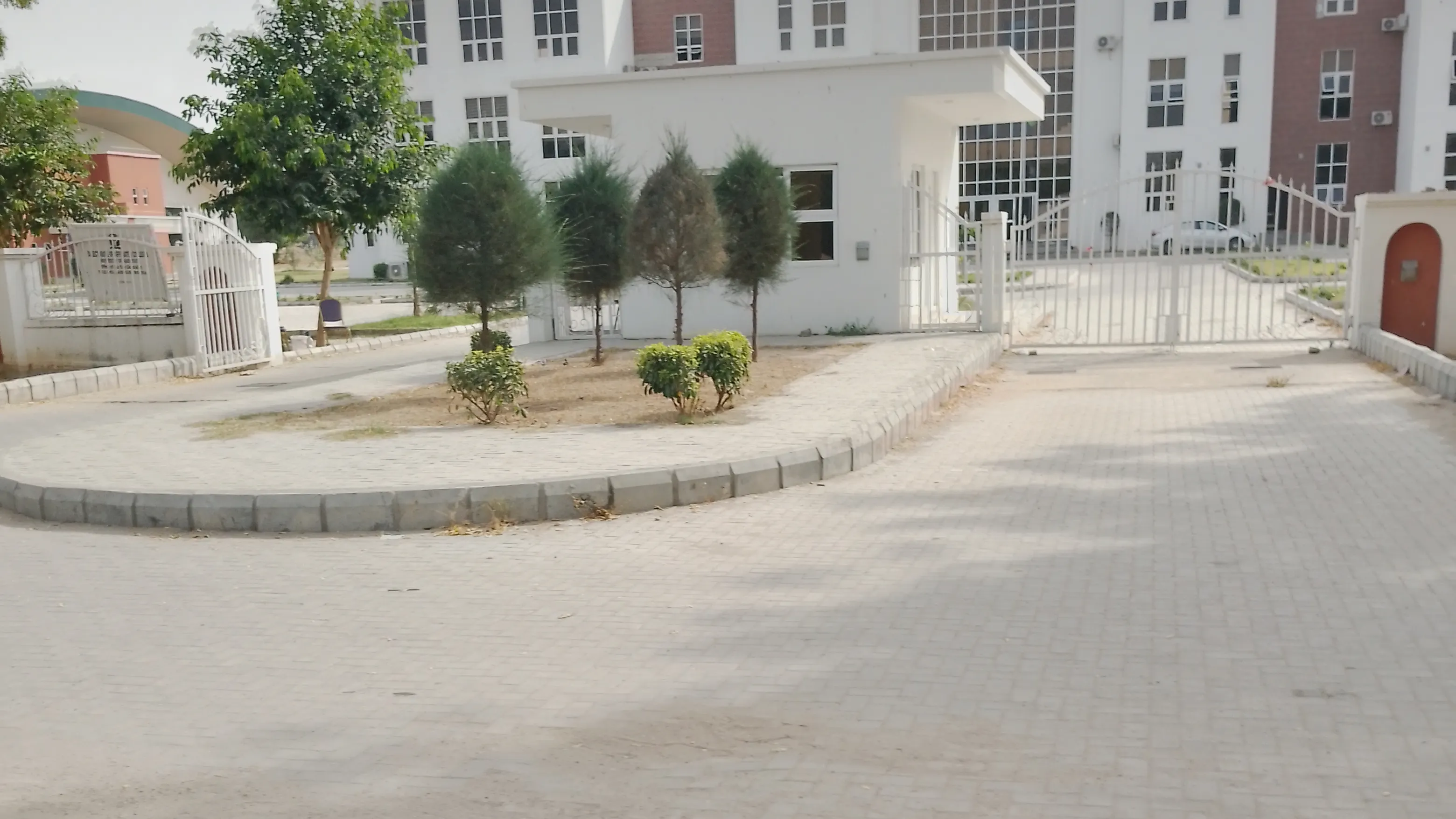
The number of students enrolled in public and private schools in Borno State, in northeastern Nigeria, has increased from 766,551 during the 2017-2018 school year to 1,418,279 in 2025, according to the state government, as cited by Al Jazeera on November 24, 2026. It was in this state that the Boko Haram insurgency began in 2009, which closed schools and forced teachers and students to flee.
The number of out-of-school children divided by nearly three
Governor Babagana Umara Zulum states that the number of out-of-school children has fallen from approximately 2.2 million at the height of the crisis to less than 800,000. State officials speak of nearly 800,000. The annual school census, published in September, counts 1,801,295 learners across the entire education sector, and approximately 1.3 million students in public primary and secondary schools for 2025-2026.
These categories do not overlap, and Al Jazeera points out that a precise rate of progress cannot be deduced from them. All this data comes from the Borno government: no international agency has validated it. Caution is therefore required regarding the exact scale of the recovery.
One hundred and four new schools and 2,931 renovated classrooms
During a handover of educational projects in Maiduguri in March, the governor stated that his administration had built 104 new schools and rehabilitated 2,931 classrooms and facilities damaged by the conflict and floods. Zulum also highlights the Higher Islamic Colleges, including the one in Baga, which follow a curriculum approved by the National Board for Arabic and Islamic Studies, in the name of what he presents as an inclusive education system.
In Baga, in the Kukawa area, teacher Maryam Umar describes a school that was closed during the violence and whose activities are now resuming. Lawan Abba Wakilbe, Borno's Commissioner for Education, Science, Technology, and Innovation, sees the rise in enrollment as a sign of returning parental confidence.
Rural areas remain behind
The work is not finished. In Gubio, 49-year-old Bukar Abdullahi requested during a public meeting that more children from rural areas be enrolled. And behind these figures are students like 12-year-old Fatima Mahmud Umar, who is in her first year of secondary school in Maiduguri: an entire generation in northeastern Nigeria has grown up with war and is now returning to the classroom.
This article was written in French with the help of artificial intelligence from the sources cited below, then translated from French automatically. Read the original.