Nigeria: Tinubu wants an end to raw mineral exports, after revenues rose from 6 to 100 billion naira
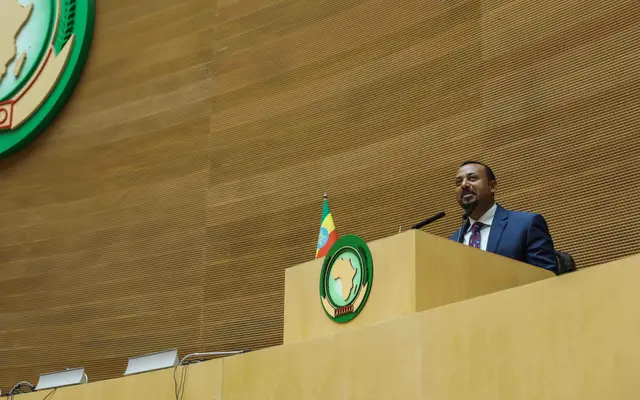
Nigerian President Bola Tinubu reaffirmed his commitment to ending the export of unprocessed solid minerals on November 19, 2026, in Abuja, during his opening speech at the "Nigeria Now! Investing in Energy, Infrastructure and Mining Summit," as reported by the daily newspaper Vanguard and picked up by AllAfrica.
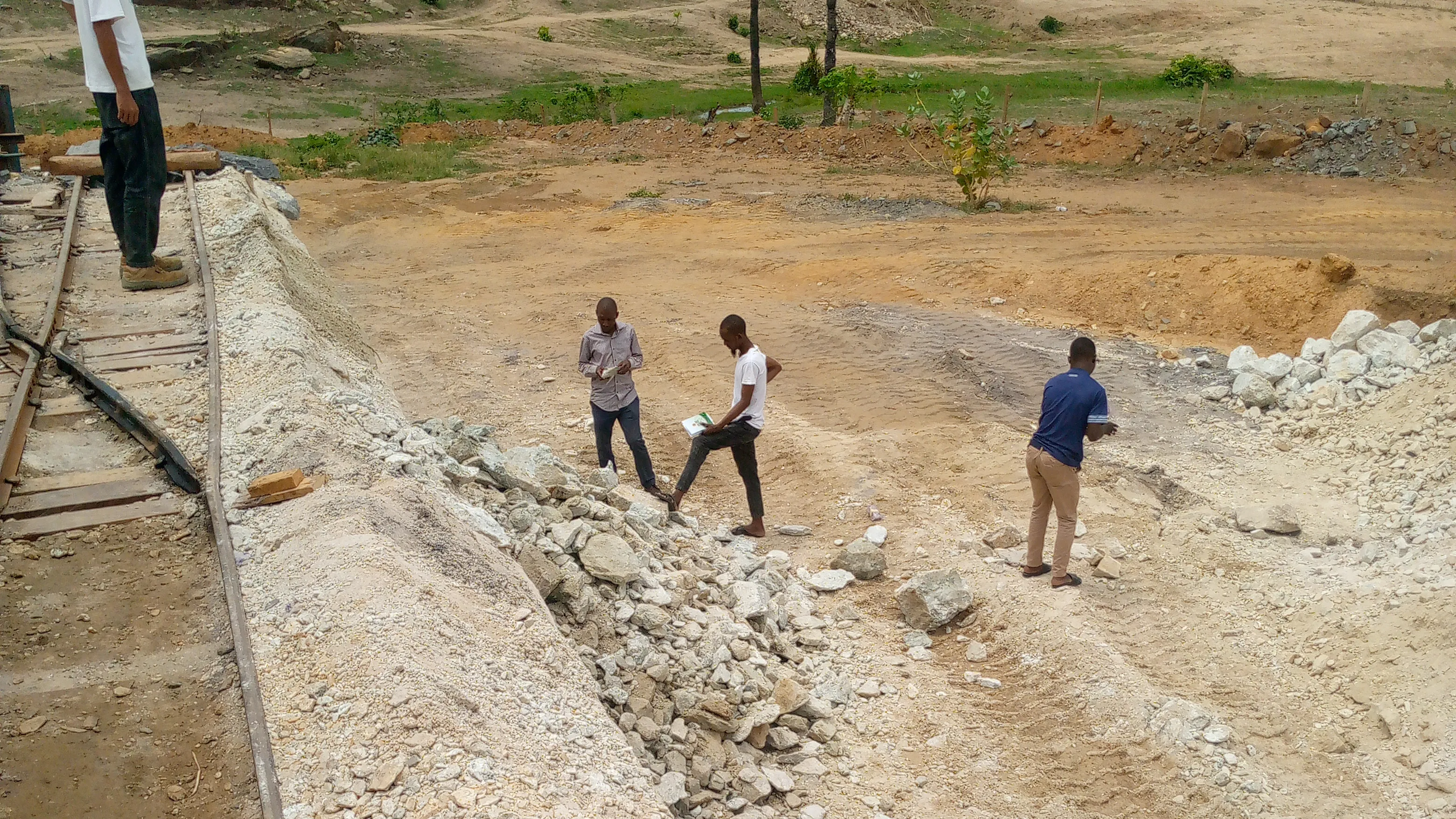
The head of state called on the country to move beyond the stage of exporting raw resources and to build processing capacities on its own soil. He cited four levers: better geological data, transparent licensing, responsible exploration, and more investment in processing, for the benefit of Nigerian industries, skilled employment, and mining communities.
His stated goal is to build integrated value chains in which Nigerian companies truly participate. He asked foreign investors to bring technology and financing, while promising to strengthen the sector's regulatory security.
Revenues multiplied by sixteen in three years
The Minister of Solid Minerals Development, Dele Alake, quantified the results of the reforms: approximately 6 billion naira in annual revenue when he took office, 38 billion in 2024, 70 billion in 2025, and over 100 billion in 2026. He stated that he was informed of the crossing of this threshold by the Central Bank of Nigeria about a week before the summit.
The minister attributes this progress to the local value-added policy, the digitization of mining procedures, and the cleanup of sector operations. These figures are those of the government and have not been independently verified.
The standoff with illegal mining
The "Mining Marshals" unit, created to fight illegal mining, has arrested more than 300 suspected illegal operators and reclaimed more than 100 mining sites, which were then returned to their legitimate owners, according to Dele Alake.
The minister also stated that efforts are underway to dismantle this unit, and that they would be funded by operators whom the Mining Marshals are pursuing. He did not name any names and did not present any public evidence: these accusations remain, at this stage, the minister's sole assertions.
A long-standing demand from the continent
On-site processing of raw materials is one of the most consistent demands of African economists: exporting raw ore also means exporting jobs and profit margins.
The most difficult part remains. No timeline, no legal text, and no list of the minerals affected by this end to exports were specified during the summit, which concluded on November 20, 2026. The promise must still be translated into decrees and factories.
This article was written in French with the help of artificial intelligence from the sources cited below, then translated from French automatically. Read the original.