Plane shot down in Minembwe: Ugandan army denies involvement and bans company that was recruiting its soldiers
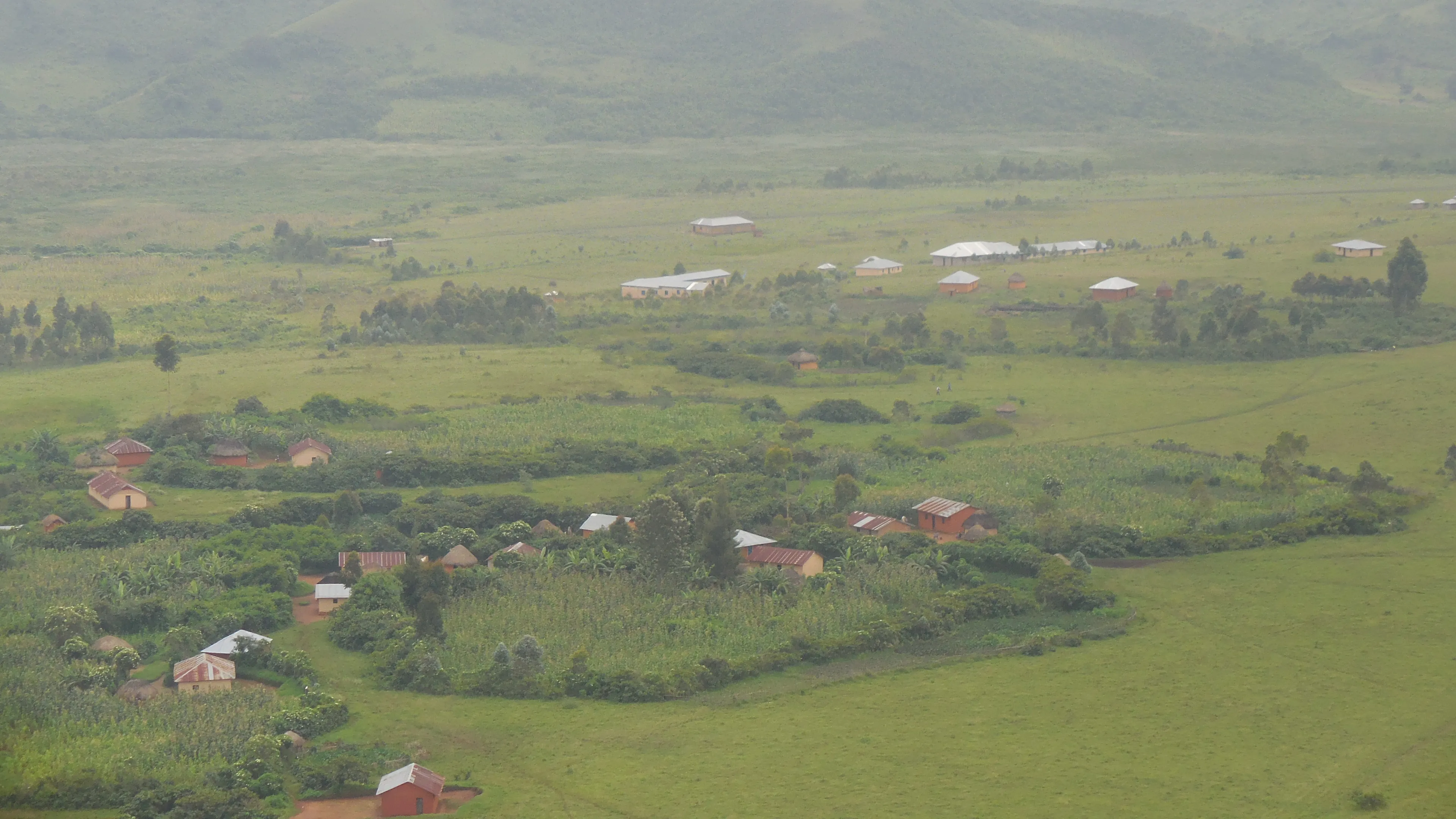
The Ugandan army claims it has no connection to the combat aircraft shot down on Sunday, November 22, 2026, near Minembwe, in the eastern Democratic Republic of Congo. The denial came after a video circulated in which a crash survivor, questioned by armed fighters about his nationality, identifies himself as a junior Ugandan officer deployed by his government. When asked who sent him to the DRC, he replies: "Uganda."
The Chief of Staff of the Uganda People's Defence Forces (UPDF), General Muhoozi Kainerugaba, wrote on social media that the UPDF "has nothing to do with the aircraft shot down in Minembwe," adding that the army had sanctioned "this company." His message was relayed by Chris Magezi, acting director of Defence information and communication.
Soldiers arrested, a company banned
In another message, General Kainerugaba indicates that he has ordered the arrest of several soldiers and officers linked to a company that was seeking to recruit them. "The company that sought to employ them is banned from operating in Uganda," he wrote, promising to "investigate further." He warns Ugandans against working for mercenary companies in the DRC and threatens severe sanctions against those who engage in such activities. The name of the company and the exact nature of the sanction were not specified.
The destruction of the aircraft was announced this week by Lawrence Kanyuka, spokesperson for the Front for the Refoundation of the Nation (FRN), who claims that his fighters shot it down around 6 a.m. on November 22 and that it was preparing to strike civilian populations in the Minembwe area. According to information from the crash site, two occupants died and two survived.
What remains unverified
The identity of the survivor, his military status, and his claims regarding government involvement have not been independently verified. This account is reported by the daily newspaper The New Times, published in Kigali, in a context of mistrust between the capitals of the region: it must therefore be read with caution, and no public evidence currently allows for the confirmation or refutation of the survivor's version or that of Kampala.
Beyond the denial, the episode brings back into the public eye a reality rarely discussed in the wars of the eastern Congo: the use of private companies that recruit former or active-duty soldiers to serve on the continent, far from any parliamentary oversight. By announcing arrests and the banning of a company, the Ugandan army itself acknowledges that soldiers were hired. The question of who they were flying for, and who is paying for these missions, remains unanswered.
This article was written in French with the help of artificial intelligence from the sources cited below, then translated from French automatically. Read the original.