Real Estate: Families team up with strangers to become homeowners
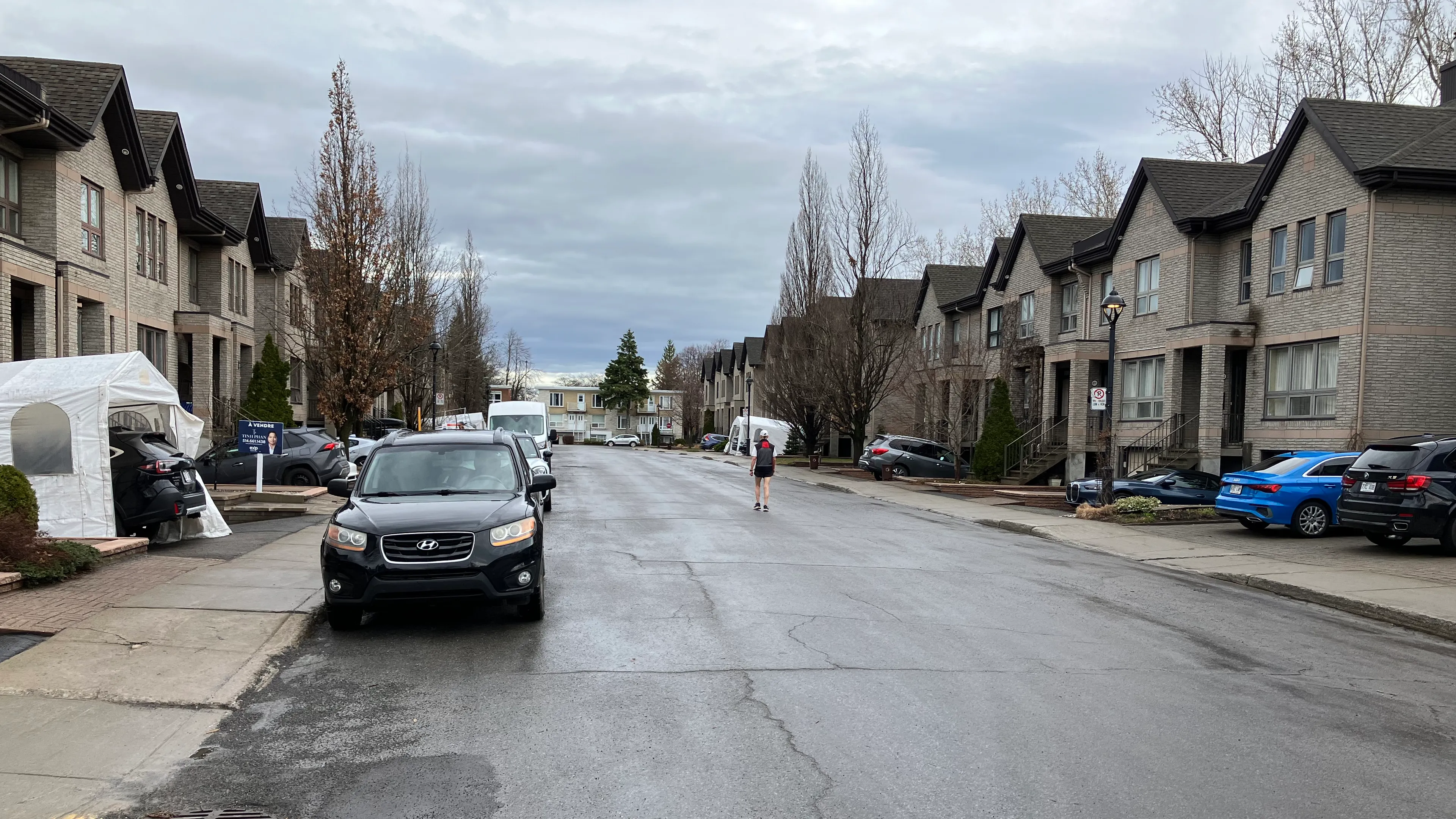
Faced with skyrocketing real estate prices, an alternative solution is emerging in Canada: shared purchasing between families who did not know each other previously. According to BBC Africa, this practice allows households to realize their homeownership goals despite a saturated market. In Vancouver, the Wilcox family, lacking the budget for a house with a garden, chose to partner with the Pullman family to acquire a property together in 2023.
The transaction, involving a six-bedroom house, required an initial investment of 175,000 US dollars, shared equally between the two households. The monthly loan payments, set at 2,730 US dollars, as well as current expenses and repairs, are also split. This pooling of costs has allowed both families to save tens of thousands of dollars compared to an individual purchase, while gaining access to a living space suited to their needs.
While this phenomenon remains difficult to quantify on a global scale, local initiatives are developing to supervise these projects. In Toronto, the platform Husmates connects potential buyers, treating these partnerships primarily as economic relationships. Furthermore, co-owners like Sabrina Bowman emphasize the importance of open communication and regular meetings to manage the financial and logistical aspects of daily life within the home.
The success of these cohabitation arrangements relies on solid legal foundations. Specialized lawyers, such as Tanya Walker, insist on the necessity of binding contracts to anticipate disputes or the potential departure of one of the occupants. These documents notably provide for notice periods and right-of-first-refusal clauses, thereby ensuring legal security for the parties involved in this shared ownership model.
Our perspective
This mutual aid strategy illustrates the adaptability of citizens in the face of economic pressure. While access to housing remains a major challenge, solidarity between peers is becoming a lever for resilience. For Africans, this form of pooling resources recalls the importance of community solidarity, while highlighting the need for a protective legal framework to secure collective investments and guarantee the right to housing for all.
This article was written in French with the help of artificial intelligence from the sources cited below, then translated from French automatically. Read the original.