Rwanda: United States expels Jean Léonard Teganya, eighth fugitive handed over since 2007
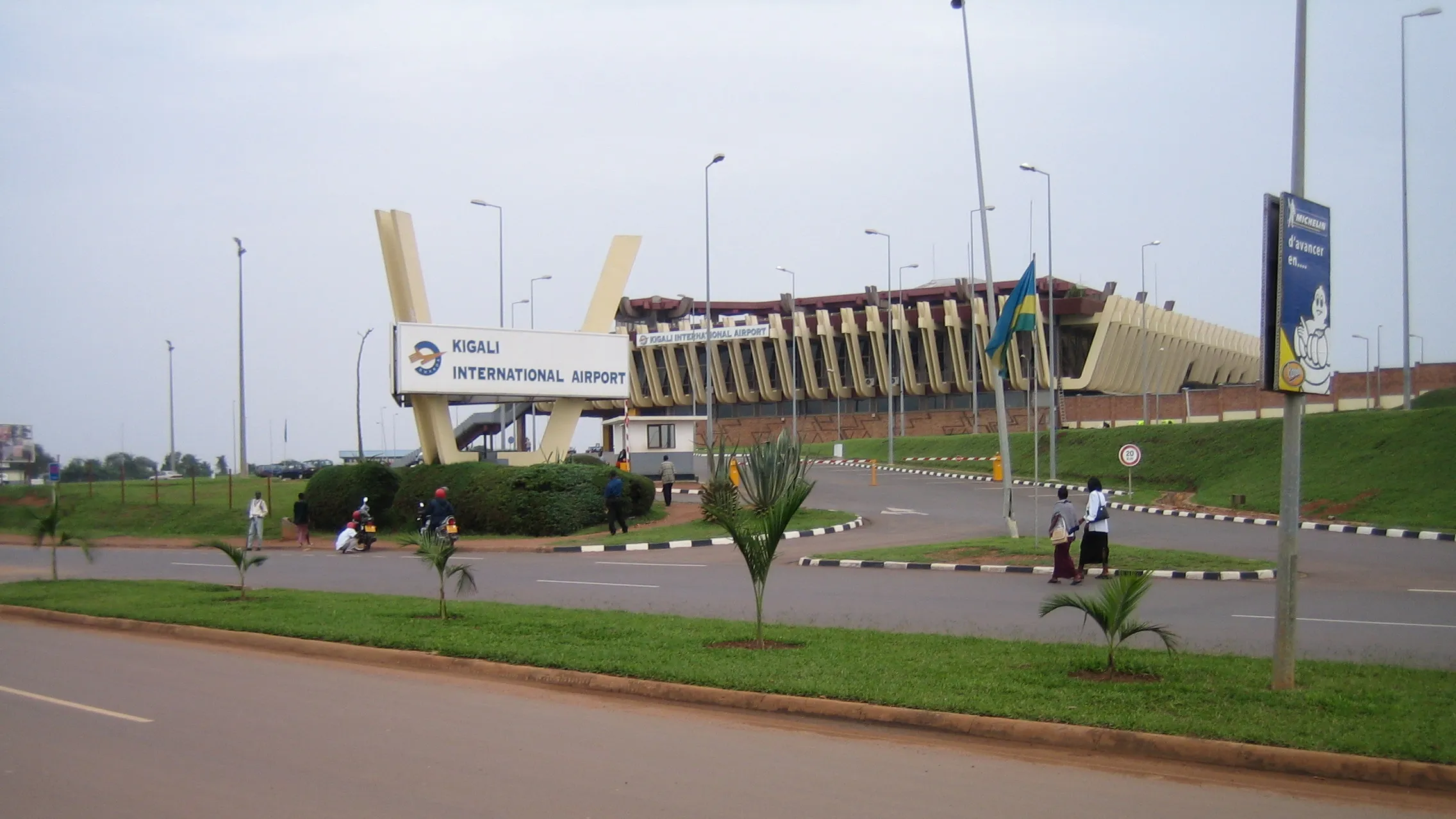
The United States expelled 55-year-old Jean Léonard Teganya on November 9, 2026, handing him over that same evening to Rwandan authorities at Kigali International Airport, where he was arrested. He is the eighth fugitive wanted for the 1994 genocide against the Tutsi to be sent back to Rwanda by Washington since 2007, according to the National Public Prosecution Authority (NPPA), as cited by the daily newspaper The New Times.
The charges against him
Born in 1971 in the Gatumba sector, Ngororero district, in the Western Province, Teganya was indicted in 2014 by the Rwandan justice system for genocide and crimes against humanity allegedly committed in Butare, now the Huye district. In 1994, he was studying medicine there at the faculty of the former National University of Rwanda and was completing an internship at the Butare University Teaching Hospital (CHUB).
According to the NPPA, evidence gathered by the prosecution links him to the Interahamwe militia and accuses him of participating in killings at the CHUB and in a student dormitory. These facts have never been tried: the Rwandan prosecution indicates that he was also not convicted by the Gacaca courts. Teganya is entitled to the presumption of innocence.
Convicted in the United States, but not for genocide
On April 5, 2019, a federal jury in Boston found him guilty of two counts of immigration fraud and three counts of perjury, concluding that he had lied under oath and obstructed justice by concealing his alleged role in 1994 during his applications to U.S. immigration services. On July 1, 2019, federal judge F. Denis Saylor IV sentenced him to 97 months in prison, a sentence to be followed by removal proceedings.
In other words, the American justice system never tried him for the genocide accusations themselves: it prosecuted him for lying about them on his forms.
Other pending cases
The spokesperson for the NPPA, Faustin Nkusi, thanked the American judicial authorities for their cooperation and noted that other indictments targeting alleged fugitives remain pending.
Thirty-two years after the massacres, the issue of suspects living abroad remains unresolved, illustrating a long-standing difficulty: a suspect can only be tried if the state where they reside agrees to extradite them, prosecute them itself, or expel them at the end of an immigration procedure, as in this case. The merits of the case will now be judged in Kigali.
This article was written in French with the help of artificial intelligence from the sources cited below, then translated from French automatically. Read the original.