Shakahola: Paul Mackenzie sentenced to 200 years in prison for the deaths of 190 children
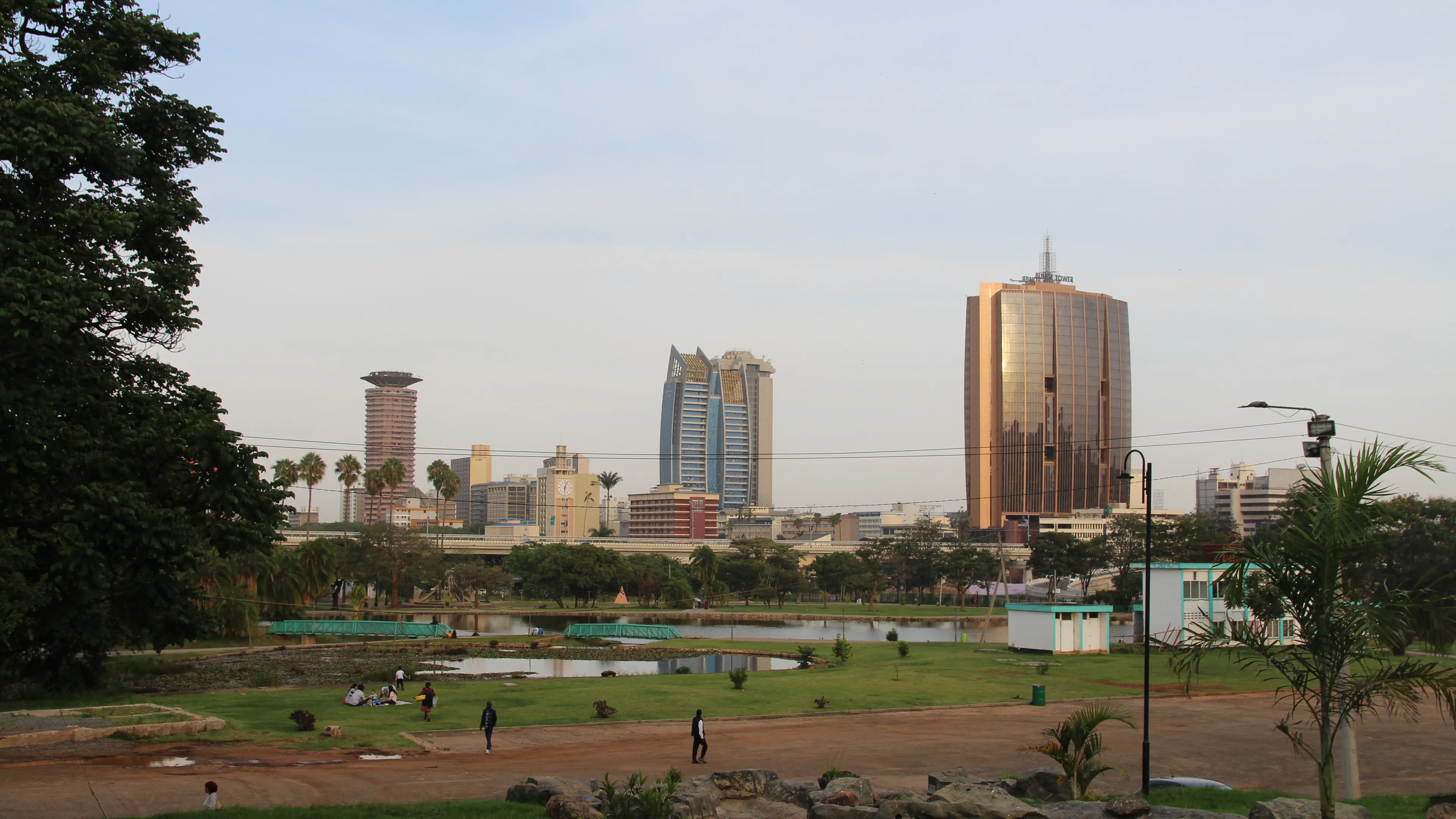
On November 6, 2026, the Mombasa High Court sentenced self-proclaimed Kenyan pastor Paul Nthenge Mackenzie to 200 years in prison for the deaths of 191 people, including 190 children, in the Shakahola forest in Kilifi County. The sentence consists of 100 years for murder by starvation and 100 years for direct homicide, according to Al Jazeera.
The judgment was read by Judge Diana Kavedza, who had already found Mackenzie and his 28 co-defendants guilty of the 191 counts of murder on October 19, 2026, ruling that the evidence had been established beyond a reasonable doubt. The 28 co-defendants were given prison sentences of varying lengths, which Al Jazeera did not detail.
The Kenyan prosecution had set the bar higher. According to Capital FM, as reported by AllAfrica, the public prosecutor's office had requested the death penalty for Mackenzie, and Deputy Prosecutor Jami Yamina had requested life imprisonment for 27 of the co-defendants. Only one defendant, Enos Amanya Ngala, pleaded guilty to the 191 counts; his agreement included a rehabilitation program in detention lasting 24 to 30 months.
An apocalyptic sect born in a regulatory vacuum
Mackenzie led the Good News International Church, an apocalyptic church based on the Kenyan coast. The court found that an organized system had been in place, forcing followers, including children, to fast in order to reach heaven before the end of the world. Co-defendants threatened and beat those who refused. Mackenzie denied having forced anyone to fast, but the court rejected his defense.
He was arrested in 2023 following an anonymous tip, after which emaciated bodies were exhumed from shallow graves in the forest. Al Jazeera notes that he had been arrested twice before and released each time: this remains one of the most damning points for the Kenyan authorities.
More than 400 dead and a law still awaited
The 191 murders judged in Mombasa cover only a portion of the tragedy: according to Kenyan authorities cited by Al Jazeera, more than 400 people died in total in Shakahola.
In Kenya, as elsewhere in Africa, freedom of worship is a hard-won right. But Shakahola raises another question, which Kenyan voices have been echoing for three years: how could a preacher reported twice continue to preach without any oversight intervening between him and hundreds of families? The verdict of November 6 punishes one man; it does not answer that question.
This article was written in French with the help of artificial intelligence from the sources cited below, then translated from French automatically. Read the original.