Somalia: The mystery of a British military plane's stopover in Bosasso
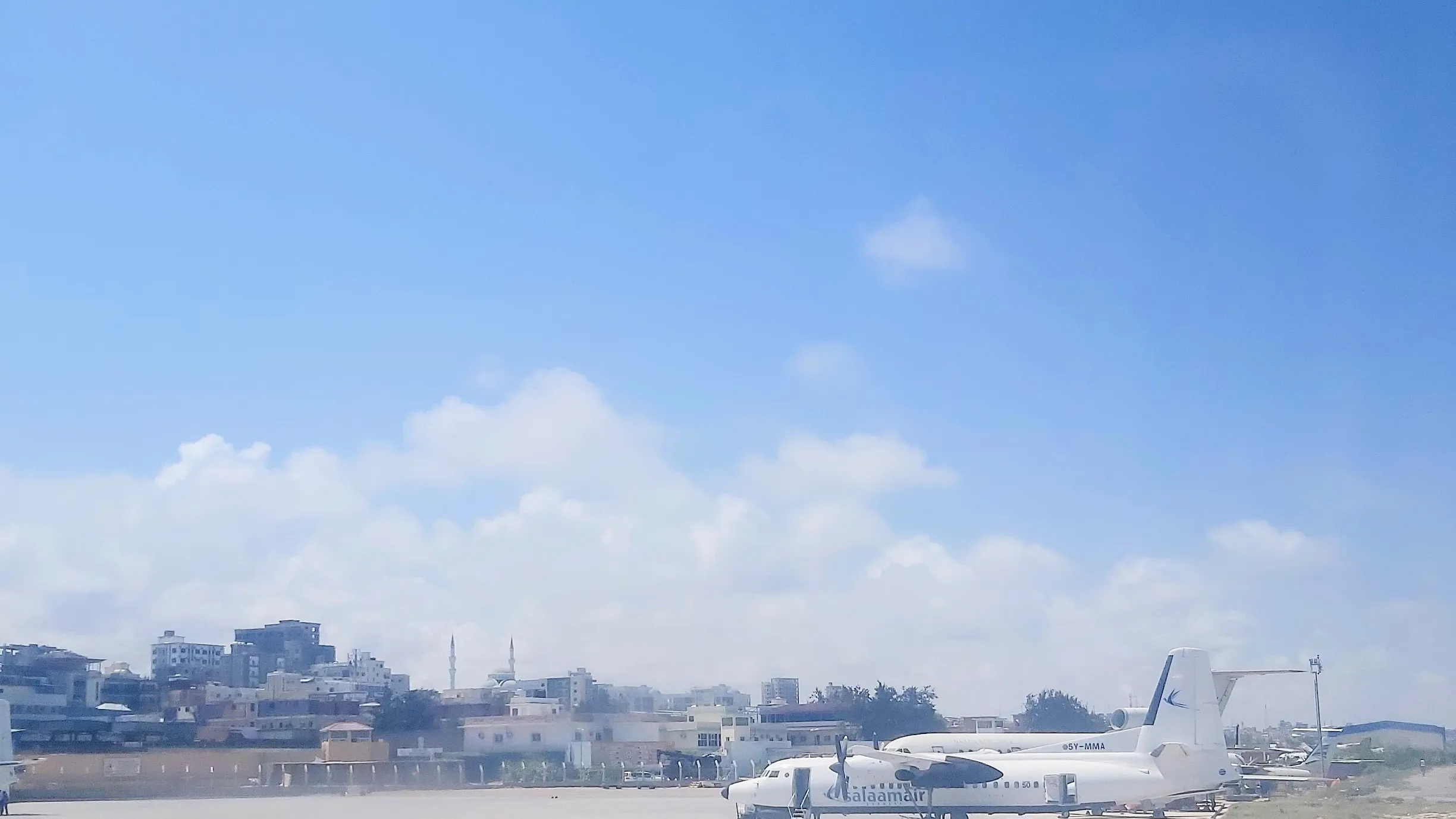
The presence of a military cargo plane, an A400M Atlas identified as belonging to the Royal Air Force (RAF), has been documented on the tarmac of Bosasso Airport in the autonomous region of Puntland, Somalia. According to RFI, a video of the aircraft posted online on November 1, 2026, confirmed its location through visual elements characteristic of the airport infrastructure.
Air tracking data via Flight Radar 24 indicates that the aircraft, tail number ZM402, took off from Nairobi, Kenya, on October 31. The plane's GPS signal was cut before it entered Somali airspace, a common practice to maintain operational discretion. After its stopover in Bosasso, the aircraft returned to Nairobi before continuing on to the Seychelles and the British base at Akrotiri in Cyprus.
When asked about the reasons for this visit, Commander James Walker, a spokesperson for the Royal Air Force, stated that the British air force does "not comment on the movements of its aircraft." This stopover occurs in the context of strengthened cooperation between the United Kingdom and the United Arab Emirates, which are bound by a defense agreement signed in April 2026.
Bosasso Airport is a major strategic point in the Horn of Africa, bordering the Gulf of Aden. The site houses military facilities used by the United Arab Emirates, including hangars for drones. The area is particularly sensitive due to regional tensions, its proximity to the Bab el-Mandeb Strait, and the fight against Al-Shabaab insurgents, against whom Emirati forces conducted strikes on October 20, 2026.
Our perspective
The proliferation of foreign military bases and stopovers on Somali soil highlights the vulnerability of African sovereignty in the face of global power games. For local populations, this increased and often opaque militarization raises legitimate questions about the transparency of agreements made by their leaders and the real impact of these presences on the continent's long-term stability and security.
This article was written in French with the help of artificial intelligence from the sources cited below, then translated from French automatically. Read the original.