South Africa: 54.5% turnout, Zuma's MK in third, and major cities up for negotiation
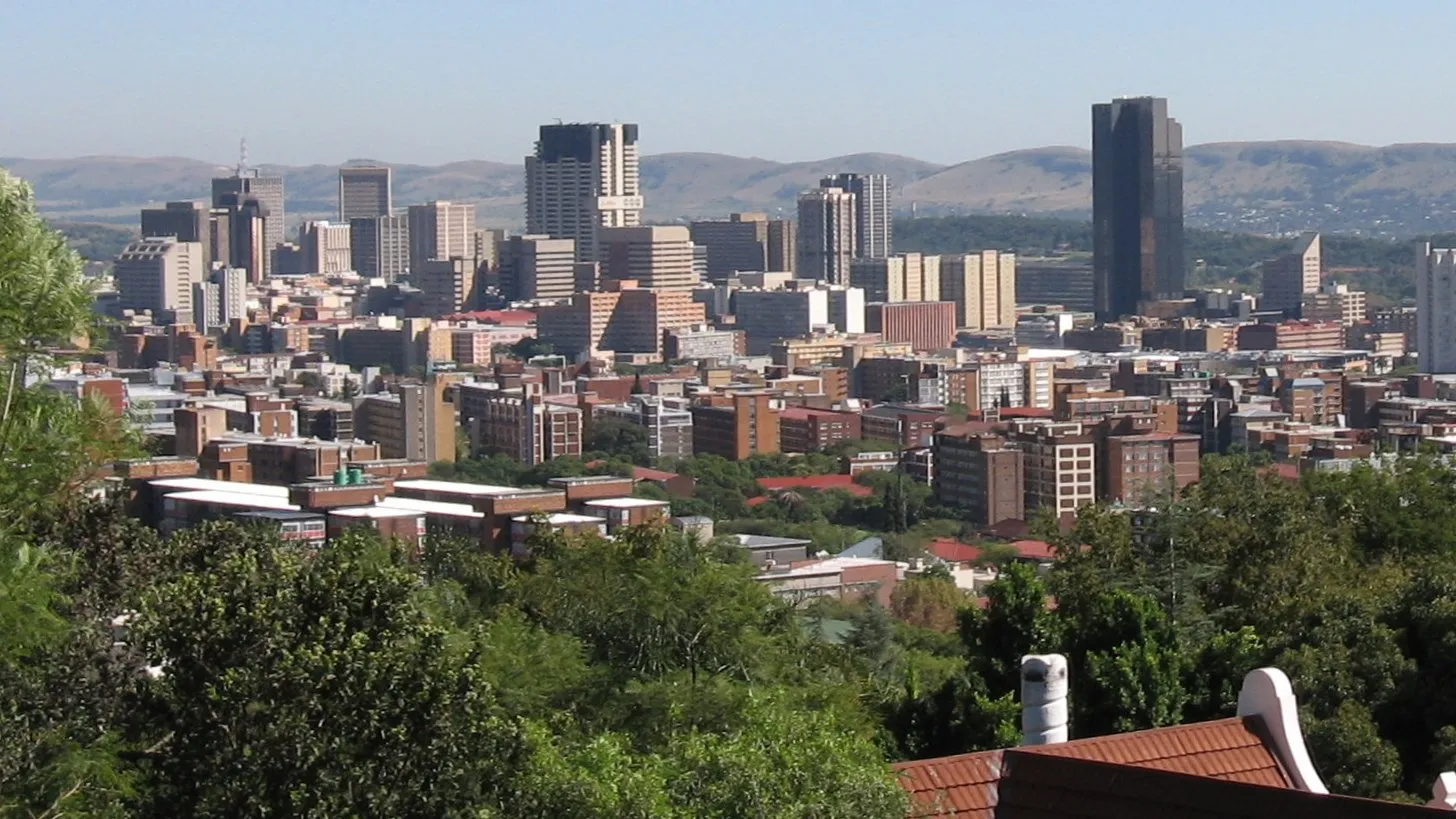
South Africa voted on November 4, 2026, to renew its municipal councils, and the country woke up on November 7 to a redrawn political map: according to Africanews, citing an AFP dispatch, the ANC had secured nearly 31% of the vote with 90% of ballots counted. Nelson Mandela's party remains the country's leading force, but it is not expected to win an absolute majority in any of the eight major metropolitan areas, including Johannesburg and Pretoria. Final results were expected on Sunday, November 8, 2026.
The electoral commission, cited by Africanews, puts turnout at 54.5% of the 29.2 million registered voters, compared to 46% in 2021. In a local election, where abstention is traditionally high, this surge says something: South Africans turned out to address issues that affect them closely, such as water, electricity, waste management, and roads. Africanews attributes the ANC's erosion to corruption and unemployment, which, according to the article, exceeds 34%.
Zuma's MK established, EFF surpassed
The other major development of the election is the breakthrough of the MK, the party founded in 2023 by former president Jacob Zuma, which was participating in municipal elections for the first time. According to Africanews, it is expected to finish third nationally, ahead of Julius Malema's EFF. An Ipsos poll published on September 4, 2026, and reported by Daily Maverick, already credited the MK with 14% nationally and 55% of voting intentions in eThekwini, the Durban metropolitan area. The Democratic Alliance (DA) garnered about a quarter of the vote and took the lead in several urban contests, including Johannesburg, where it fielded 75-year-old Helen Zille as its mayoral candidate.
City halls to be decided behind closed doors
The consequence is mechanical: in Johannesburg, Tshwane, and eThekwini, mayors will emerge from negotiations between parties, not directly from the ballot box. And these alliances are not straightforward. Political analyst Daniel Silke, cited by AFP, summarizes the obstacle between the ANC and the DA: according to him, "the animosity between these two parties is extreme." He believes that voters in Gauteng would prefer to see the DA govern with ActionSA, and that coalition agreements already established at the national level further complicate the equation.
Africanews describes these coalitions as often unstable "marriages of convenience." South Africa has already experienced this after 2021, when several major cities changed hands repeatedly, at the cost of stalled public services. The real challenge in the coming weeks is therefore not to see which party finished ahead, but whether the winners will be able to make municipalities function, upon which the daily lives of millions of inhabitants depend.
This article was written in French with the help of artificial intelligence from the sources cited below, then translated from French automatically. Read the original.