South Africa: ANC rules out Ramaphosa's departure after lowest score since 1994
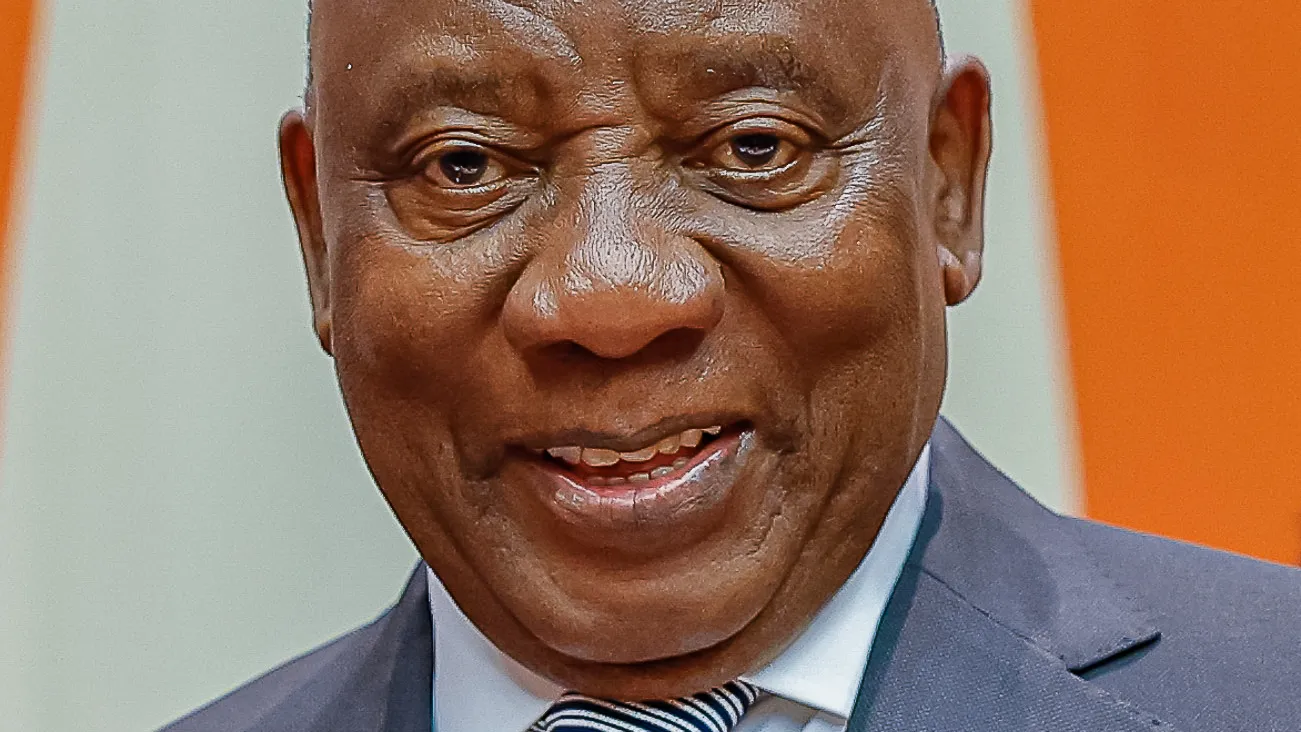
The ANC ruled out any resignation of Cyril Ramaphosa from the party presidency on November 12, 2026, the day after municipal elections where the party in power since 1994 fell to 31% of the vote, its lowest electoral result since the end of apartheid, reports Africanews.
The party's national spokesperson, Mahlengi Bhengu-Motsiri, assured that the head of state would not step down as head of the ANC. She referred to "numerous unfounded rumors" circulating about the president—including one that he had offered his resignation—and called on South Africans not to give them any credence.
An emergency meeting and the word "catastrophe"
The National Executive Committee (NEC), the party's governing body, was meeting in an extraordinary session to examine the results and set a strategy. The party's secretary-general, who is not named in the article, described the setback as a "catastrophe" and announced a period of introspection. The score is down 15 points compared to the previous municipal elections.
Thirty years of erosion
The decline can be seen over a generation. Nelson Mandela's ANC used to approach 70% of the vote. In 2024, it fell to 40% in the national elections and lost its parliamentary majority for the first time. Two years later, the downward trend continues.
The causes put forward by Africanews combine the legacy of colonialism and apartheid, whose inequalities have not been resolved, with daily realities: deteriorating public services, power cuts, water shortages, failing sanitation, accumulating trash, and a lack of housing. Millions of South Africans still live in informal settlements.
What this vote says, and what comes next
There is something healthy about this result. Thirty-two years after the first multiracial vote, South African voters are sanctioning the party that led the liberation at the ballot box, without violence. It is proof that an African democracy can hold its leaders accountable for their actions—a liberation movement does not own a country.
The task of governing remains. The NEC must now examine the initial exchanges initiated with other parties and adopt a framework setting the mandate for its negotiators in municipalities where no party has an absolute majority. For the residents of Johannesburg, Cape Town, or Durban, the question is not who leads the ANC, but whether the water will flow and the lights will come back on.
This article was written in French with the help of artificial intelligence from the sources cited below, then translated from French automatically. Read the original.