South Sudan: The first national election in its history postponed to February 11, 2027
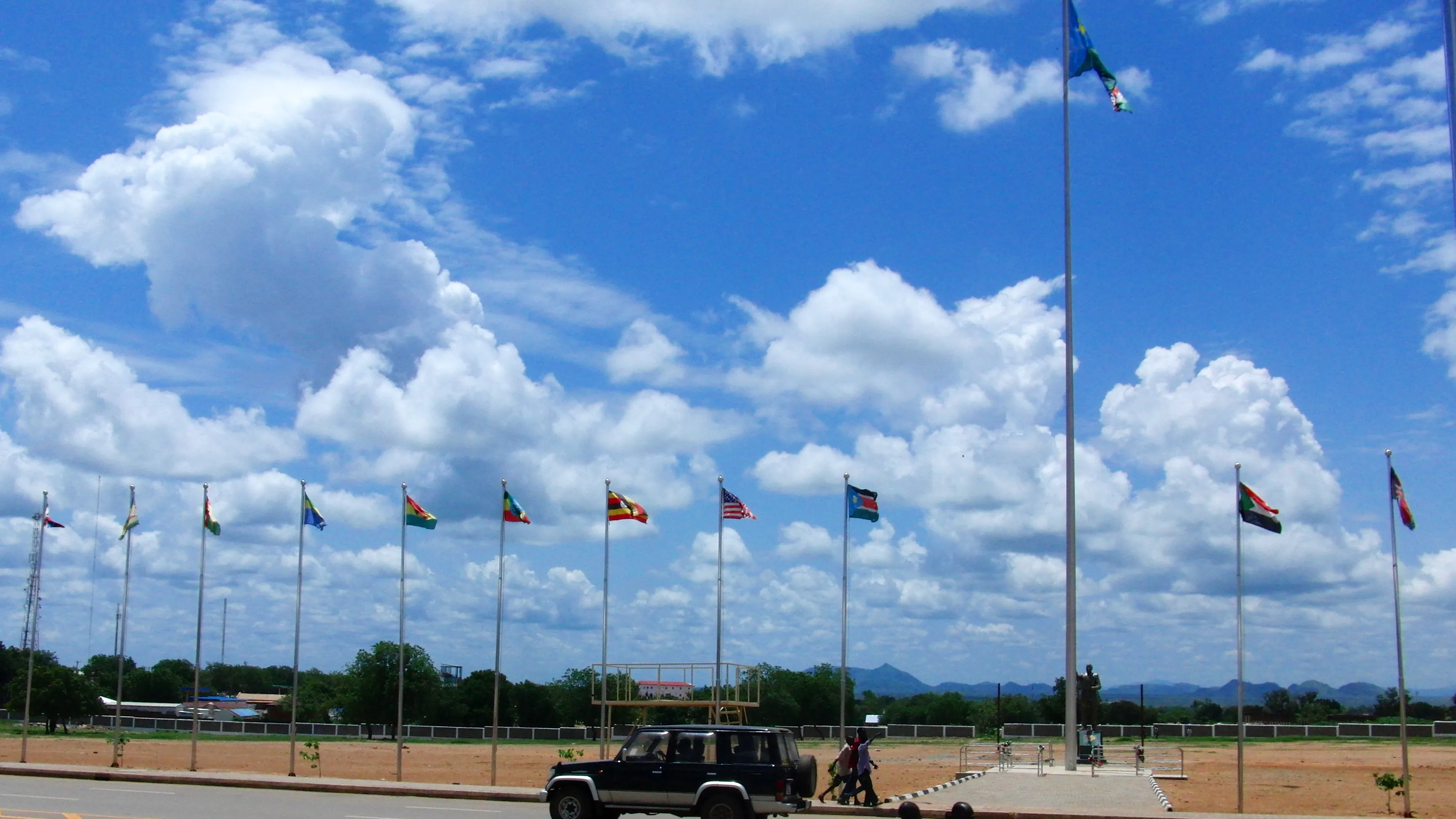
South Sudan's electoral commission announced on Saturday, November 14, 2026, that the presidential and legislative elections, the first national vote in the country's history, would be held on February 11, 2027, rather than December 22, 2026, as reported by Al Jazeera and AFP. The commission did not provide any reason for this postponement.
Independent from Sudan since 2011, South Sudan has never organized a national election. The vote was expected as early as 2022, a deadline the authorities themselves had set; it has since been pushed back at least three times, according to Al Jazeera. The census and the permanent Constitution, two prerequisites included in the peace agreement, have never been completed.
3,161 registration centers, and 90% of residents without identification
Gabriel Bol Deng, chairman of the National Elections Commission, announced the opening of 3,161 registration centers and the recruitment of more than 22,000 agents. Voter registration runs from November 14 to 28, 2026, followed by a 45-day campaign from December 27, 2026, to February 9, 2027, and then a day of silence.
The obstacle is significant: approximately 90% of the 15 million inhabitants do not possess state-recognized identification documents, according to World Bank data cited by Al Jazeera. For voters without papers, especially in rural areas, Mr. Deng indicated that community leaders will carry out identification and issue a form allowing them to vote.
A dismantled peace agreement
This postponement comes within a deeply reshaped political landscape. In September 2026, President Salva Kiir dissolved the transitional unity government and appointed an interim administration. Former Vice President Riek Machar has been under house arrest since March and is facing charges for crimes against humanity, according to Al Jazeera. Analysts and monitoring organizations cited by the media outlet believe the dissolution has dismantled the power-sharing agreement and concentrated authority in the hands of the head of state.
In October 2026, Yasmin Sooka, chair of the United Nations Commission on Human Rights in South Sudan, judged that the ongoing legislative reforms amounted to "a constitutional coup through legislative reforms." She added that the country would still need "an inclusive political settlement."
The 2018 peace agreement ended five years of civil war which, from 2013 to 2018, left at least 400,000 people dead. Clashes between government forces and supporters of Mr. Machar, as well as political and community tensions, have not ceased. Three months now separate South Sudanese citizens from a vote that has been awaited since 2022.
This article was written in French with the help of artificial intelligence from the sources cited below, then translated from French automatically. Read the original.