Sudan: The medieval cathedral of Old Dongola reveals its 57 meters
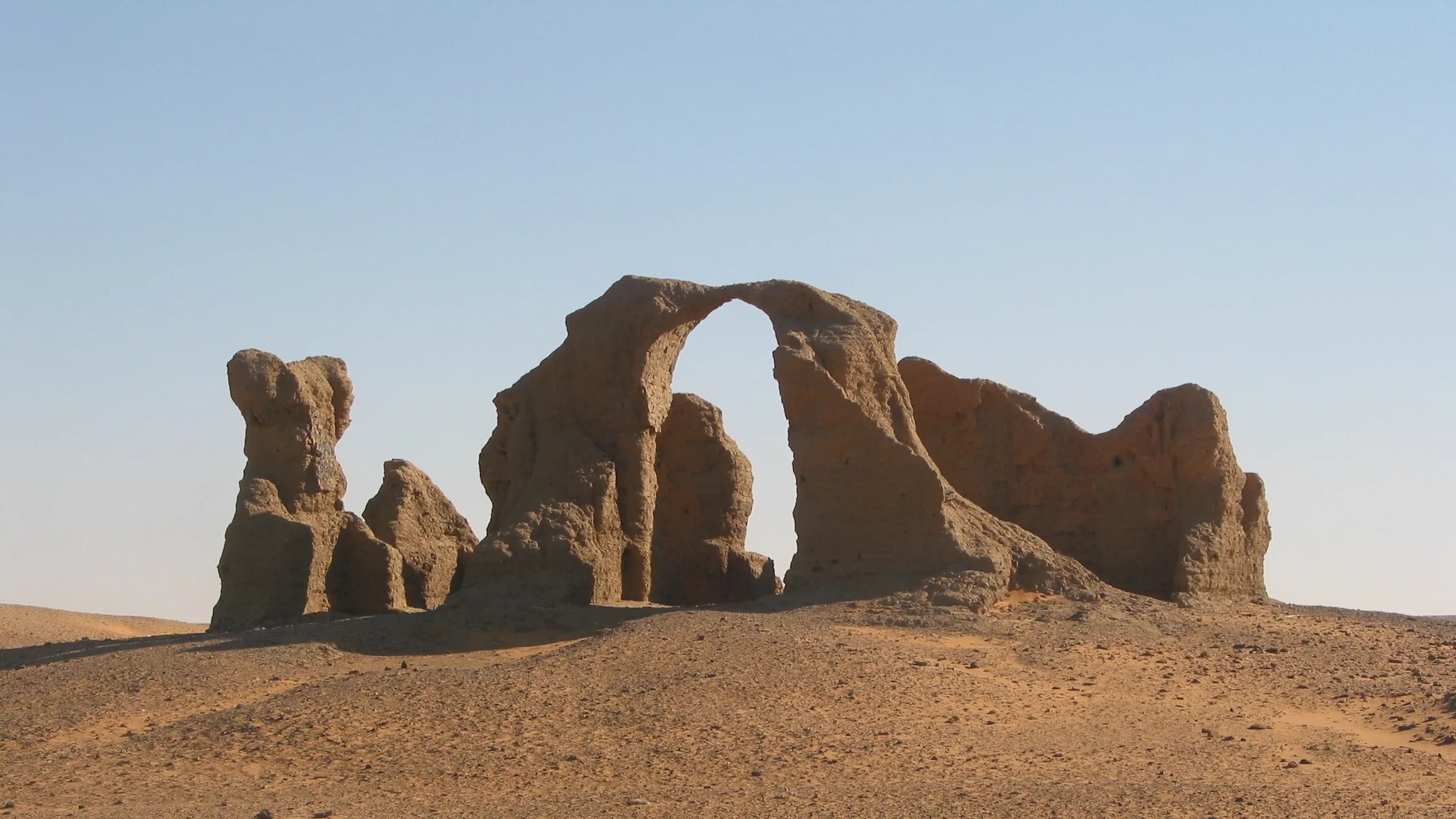
In northern Sudan, a team of Sudanese and Polish archaeologists has unearthed major structural elements of the Great Church of Jesus in Old Dongola. According to an announcement made on November 6, 2026, by the Polish Centre of Mediterranean Archaeology at the University of Warsaw, recent work has uncovered the original floor, apse buttresses, and an imposing staircase leading into the monument.
Originally discovered in 2021, this religious building is now identified as the largest Christian cathedral in medieval Nubia. Measurements reported by the research indicate a monumental structure reaching 47 meters in width, 57 meters in length, and 21 meters in height. The accumulation of soil over the centuries has helped preserve this architectural complex in an exceptional state.
According to explanations from researcher Arthur Obluski, who is leading the field operations, this edifice is destined to become a major reference for the history of architecture in the region. Old Dongola served as the capital of the Christian Kingdom of Makuria, a powerful state that flourished along the Nile Valley from the 5th to the 15th century, covering present-day northern Sudan and southern Egypt.
According to statements from the Sudanese Minister of Culture, Khalid Ali, this scientific breakthrough highlights the central role of Dongola among the great centers of Nilotic civilization. The country's authorities have confirmed the continuation of archaeological projects and the integration of local populations into programs for the safeguarding and protection of this historical heritage.
Our perspective
The uncovering of this spectacular cathedral recalls the grandeur and sophistication of ancient African kingdoms. The preservation and study of the history of medieval Nubia by Sudanese experts constitute an essential affirmation of the continent's cultural sovereignty. This exceptional heritage belongs to the collective memory of Africa and bears witness to a rich, constructive, and sovereign past.
This article was written in French with the help of artificial intelligence from the sources cited below, then translated from French automatically. Read the original.