The cat's eye: a source of innovation for modern robotics
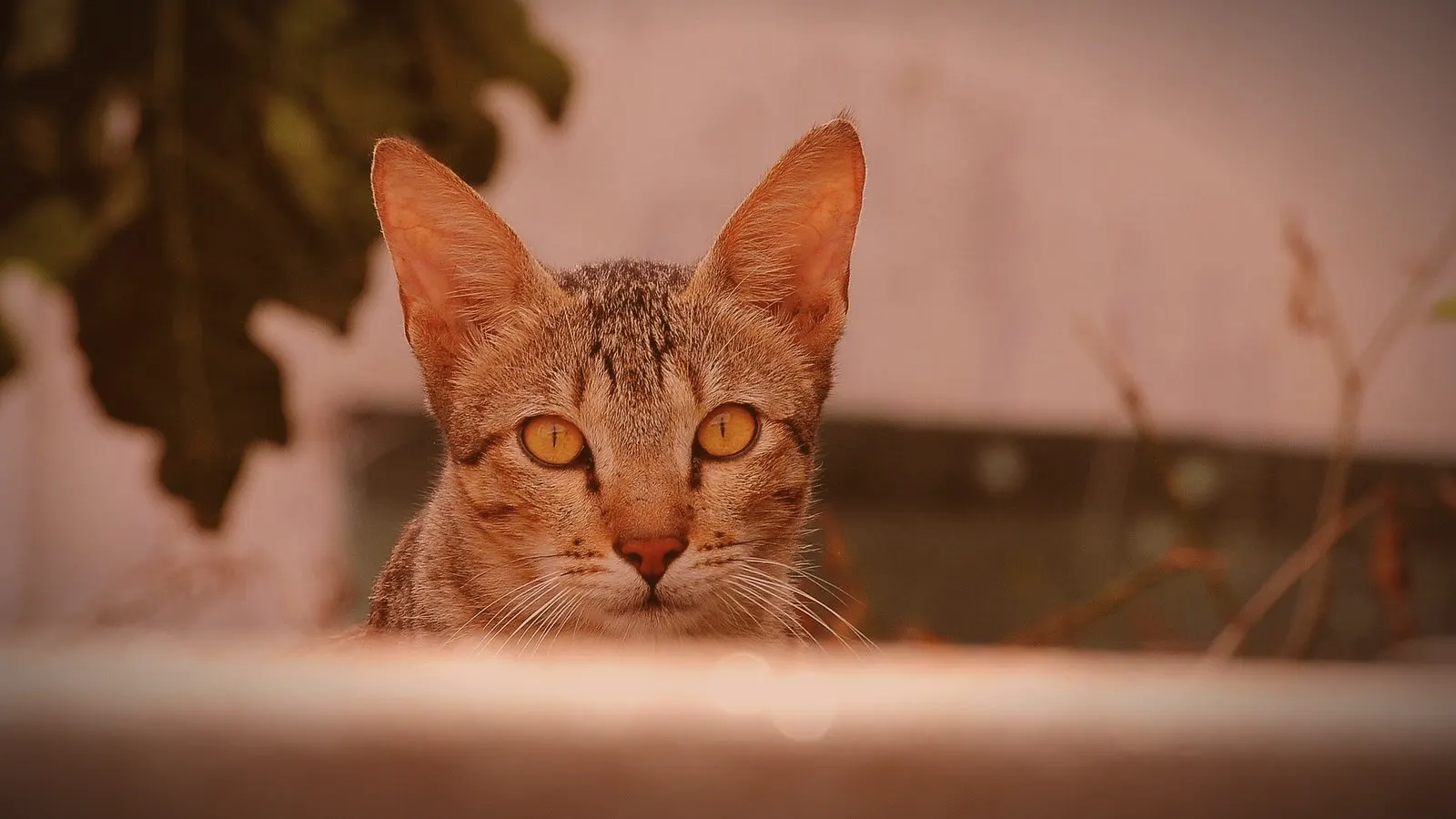
Observing nature continues to guide technological progress. According to BBC Africa, the invention of the reflective road stud, known as the "cat's eye," dates back to 1933. After catching the reflection of a feline's eyes in his headlights on a foggy night, Percy Shaw designed this device to make roads safer. By the time of his death in 1976, approximately 15 million of these reflectors had already been produced, marking a milestone in global road safety history.
The secret to this reflection lies in the "tapetum lucidum," a layer of tissue located behind the retina found in cats, as well as horses and cattle. This structure acts like a mirror, allowing light to be captured optimally in the dark. Veterinary ophthalmologist Braidee Foote points out that this mechanism gives light rays a second chance to reach the photoreceptors, thereby improving these animals' night vision.
Today, researchers like Young Min Song, a professor at the Korea Advanced Institute of Science and Technology, are drawing inspiration from this anatomy to design cameras for drones and autonomous vehicles. By integrating a reflective material behind the image sensor, his team has succeeded in increasing visible light absorption by 52%. This work aims to make vision systems more effective in varying lighting conditions.
The innovation also focuses on the shape of the pupil. By replicating the vertical opening of cat eyes, engineers are seeking to isolate objects in complex environments without requiring excessive computing power. Although the automatic adjustment of these apertures remains a technical challenge to be solved, this research illustrates how observing living things allows for the design of more efficient technologies adapted to the needs of tomorrow.
Our perspective
Human ingenuity, when inspired by the living world with humility, demonstrates that solutions to technological challenges are often within reach in our environment. For Africans, this approach serves as a reminder of the importance of valuing indigenous knowledge and the observation of local biodiversity as levers for sovereign innovation, thereby contributing to scientific research rooted in the realities of the continent.
This article was written in French with the help of artificial intelligence from the sources cited below, then translated from French automatically. Read the original.