Tunisia: 30 inmates dead since summer according to the LTDH, which demands answers from the State
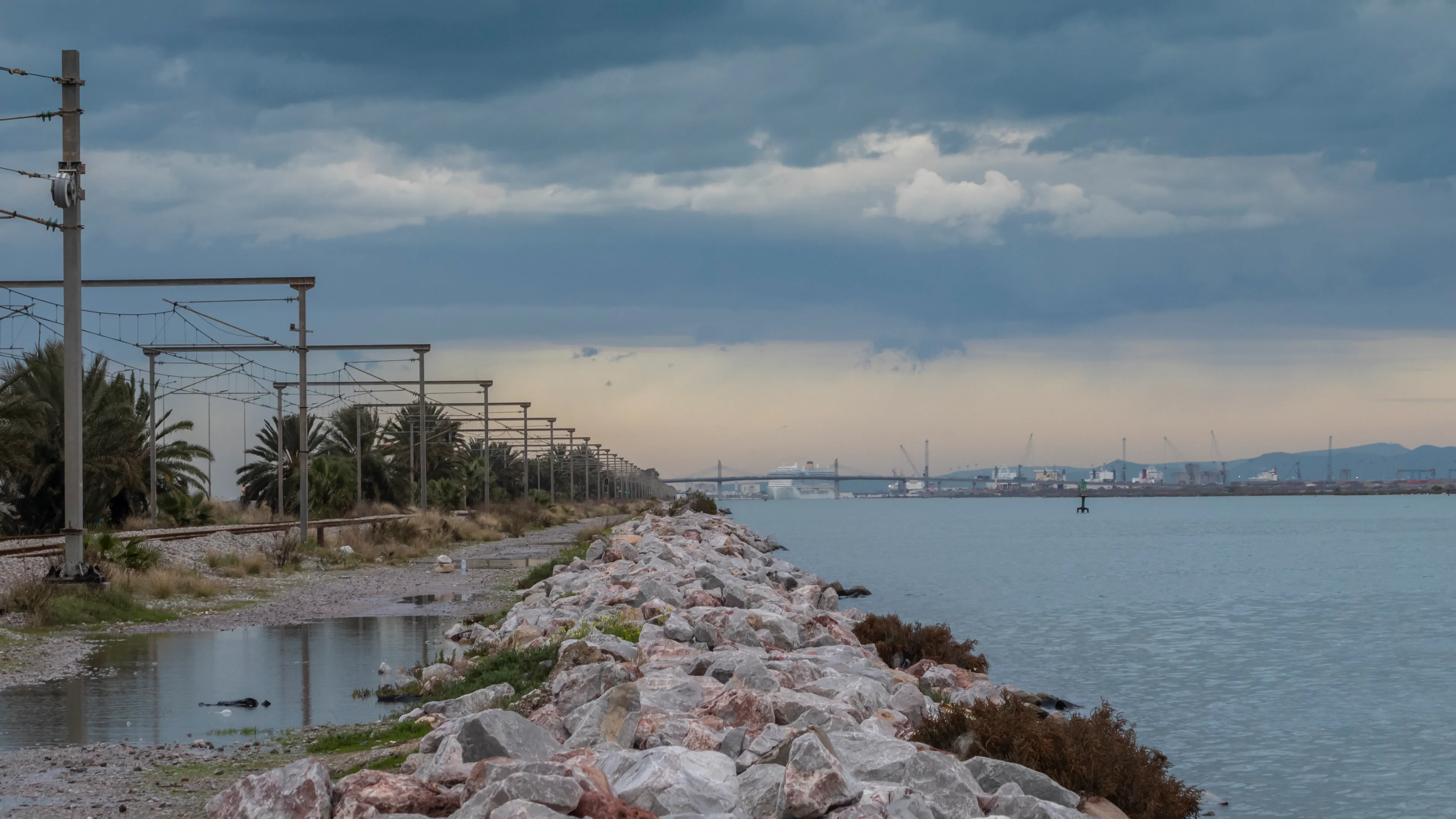
The Tunisian Human Rights League (LTDH), the country's main human rights organization, denounced "inhumane" detention conditions on Friday, November 27, 2026, and stated that 30 inmates have died since the beginning of the summer, reports Africanews. The organization is officially asking the authorities to establish the circumstances of these deaths. No official report has been published.
"Under the legal custody of the State"
For Bassem Trifi, president of the LTDH, "the situation in prisons is inhumane and catastrophic." He blames prison overcrowding and the lack of medical care, and dismisses the distinction regarding the place of death: all the deceased inmates, he emphasizes, were under the legal custody of the Ministry of Justice and the prison administration, whether they passed away in an ambulance or at the hospital. In September 2026, the LTDH had already documented 23 deaths in detention over the summer, based on information from doctors, families, and lawyers.
The Minister of Justice, Leila Jaffel, acknowledged before Parliament that some prisons were overcrowded and that deaths had occurred, according to Africanews. She claimed that all the deceased inmates suffered from chronic illnesses and had died in the hospital, not in prison.
A family waiting for an autopsy report
Nejia Jehider, whose brother died in detention, told AFP that her family still has not had access to the autopsy report. "We recovered his body without any information about his death," she says, adding that her brother was in good health and was awaiting his release. Her request is simple: to see the report.
A record summer, serial power cuts
The climatic context is a heavy burden. The Tunisian meteorological agency described this summer as the hottest ever recorded in the country, with "intense and prolonged" heatwaves in July and August; the peak reached 49.7°C in Kairouan, in the center, in mid-July. Scientists link these types of episodes to climate change. Since a large part of the water supply depends on electric pumps, power cuts have multiplied water outages, and the shortage of bottled water, also linked to load shedding, has worsened the situation.
What comes next
The LTDH expects the authorities to clarify the 30 deaths. Nothing establishes the cause of these deaths at this stage, and the version of the minister and that of the League do not overlap. But the principle itself is indisputable: a State that deprives someone of their liberty becomes responsible for their health and owes an account to their family. What Nejia Jehider is demanding is not a favor, it is a document.
This article was written in French with the help of artificial intelligence from the sources cited below, then translated from French automatically. Read the original.