Tunisia: Olive oil brings in $1.7 billion and the rank of second largest global producer
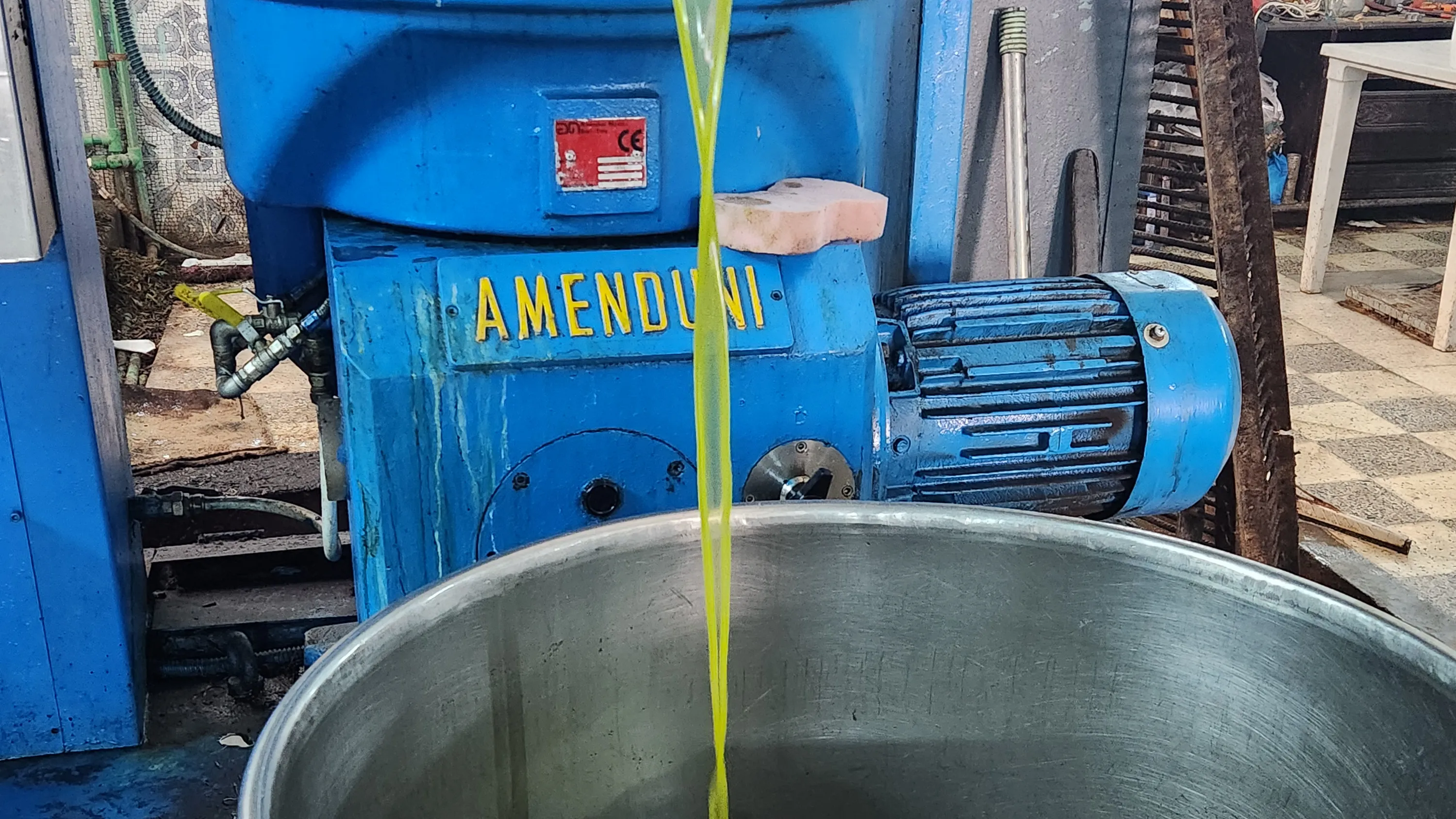
Tunisian olive oil exports jumped by 47.7% during the season ending in October 2026, reaching 413,100 tonnes and $1.7 billion in revenue. These figures from the National Observatory of Agriculture were published on November 18, 2026, and reported by Africanews with AFP.
Production exceeded 500,000 tonnes, a five-year record. According to the International Olive Council, Tunisia has returned to being the second largest global producer behind Spain, a position it had not held since 2015.
A sector that supports hundreds of thousands of people
Olive oil is the country's leading agricultural export product and one of its main sources of foreign currency. Agriculture accounts for 10% of the gross domestic product, according to official figures, and the olive sector supports hundreds of thousands of Tunisians, from pickers to oil mills.
Three markets for more than 70% of volumes
Tunisian oil is shipped to nearly one hundred countries, but concentration remains high: Spain receives nearly a third of exports, the United States 20%, and Italy 19%. Three destinations therefore absorb more than 70% of the volumes, including Spain, the world's leading producer and Tunisia's main competitor in this market.
This is where the real challenge for future seasons lies. An exceptional harvest brings in more revenue when the value added—packaging, branding, and distribution networks—is captured in Tunisia rather than abroad. The figures published by the Observatory do not detail the portion sold in bulk.
For an economy in search of foreign currency, the 2025-2026 season is good news, and it owes this to the work of Tunisian olive growers more than to isolated climatic luck. One question remains that official data does not resolve: has the price paid to the producer in the fields kept pace with the rise in export revenues?
This article was written in French with the help of artificial intelligence from the sources cited below, then translated from French automatically. Read the original.