UN: People of African descent face racism at every stage of their migration
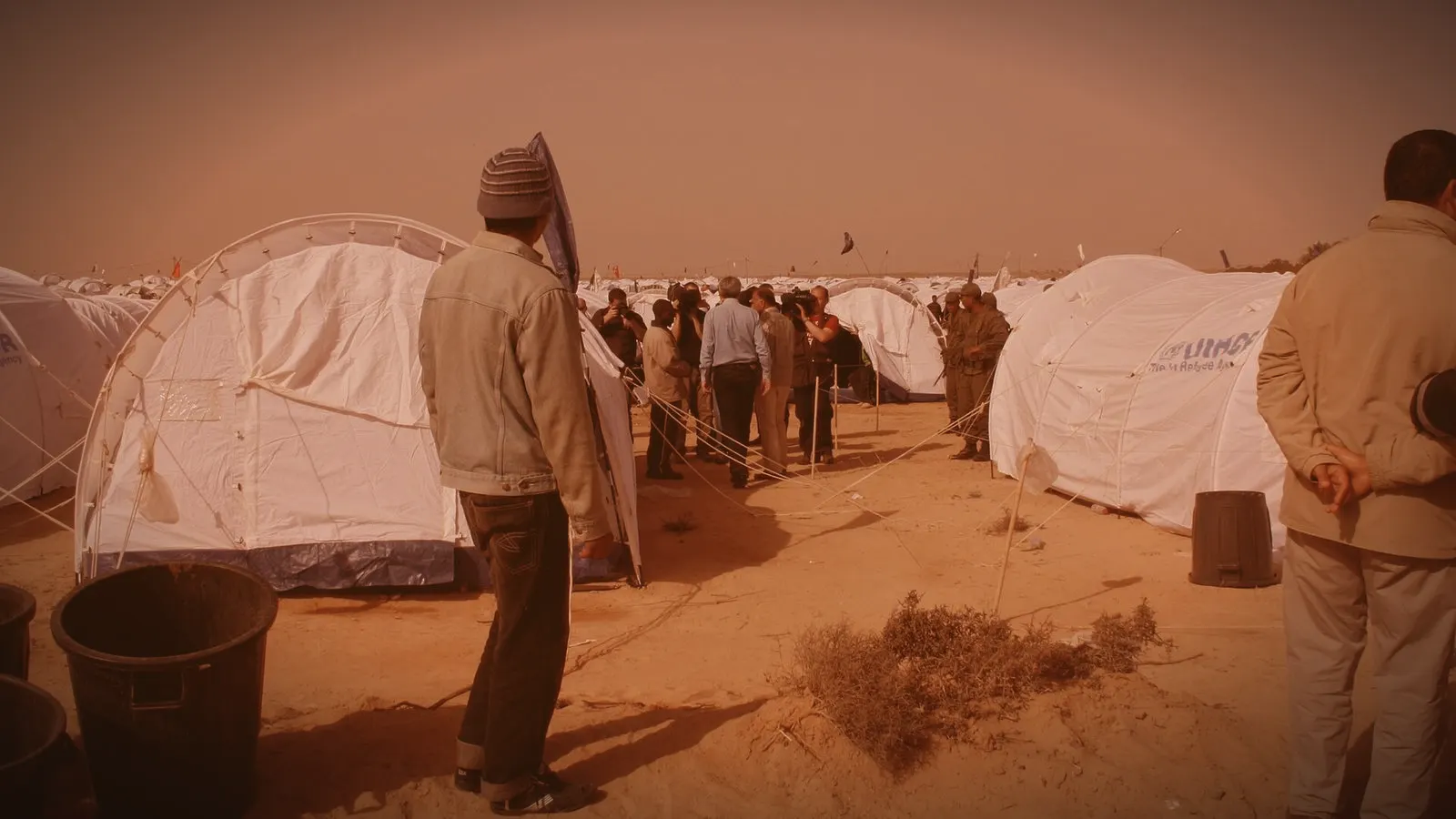
The United Nations Working Group of Experts on People of African Descent presented a report in Geneva on September 30, 2026, dedicated to the migration journeys of Africans and people of African descent. Their finding: racial discrimination accompanies these journeys from departure to arrival, and sometimes even until deportation.
The document, titled "Crossings and journeys: People of African descent in global migration and the enduring architecture of racialization," was submitted to the 63rd session of the Human Rights Council. The Working Group is composed of five independent experts; it is chaired by Isabelle Mamadou and includes Barbara G. Reynolds, Catherine S. Namakula, Miriam Ekiudoko, and John Phillip Binondo.
"Racial hierarchies" inherited from history
For Africans and people of African descent, "freedom of movement continues to be shaped by racial hierarchies with deep historical roots," the experts write, according to a statement from the Office of the High Commissioner for Human Rights. The phrasing explicitly links today's border controls to the colonial order and the slave trade.
The report details the abuses identified: racial profiling at borders, denial of protection, deportations, labor exploitation, and increased exposure to human trafficking and sexual and gender-based violence. The experts also point to two more recent trends, reports the legal website Jurist: the use of digital surveillance and artificial intelligence in border management, and the externalization of migration control by Northern states.
What the experts are calling for
Their recommendations: base migration and border policies on human rights and racial justice, strengthen safeguards against racial profiling, open safe and regular migration pathways, specifically protect women and girls of African descent, regulate the use of digital technologies, and create independent oversight mechanisms. The Working Group recalls that departures are fueled by poverty, unemployment, armed conflict, and climate events.
The report comes at a time when the European Union is tightening its measures. On October 1, 2026, the interior ministers of the 27 member states met in Luxembourg to strengthen border controls and accelerate deportations, with Migration Commissioner Magnus Brunner advocating for a major expansion of Frontex—whose budget reached 1.2 billion euros in 2026—and more "return hubs" in third countries.
On the same day, a 31-year-old Sudanese refugee, whose identity has not been disclosed for his safety, filed a case against the agency with the General Court of the European Union, reports the Associated Press. Supported by the lawyer collective Front-LEX, the organization Refugees in Libya, and the German NGO Sea-Watch, he is demanding an end to the sharing of surveillance data with the Libyan coast guard, which he claims allows for the return of migrants to a country where torture and disappearances are documented. Frontex, through its spokesperson Chris Borowski, defends its aerial surveillance in the name of search and rescue at sea.
On the same day, a 31-year-old Sudanese refugee, whose identity has not been disclosed for his safety, filed a case against the agency with the General Court of the European Union, reports the Associated Press. Supported by the lawyer collective Front-LEX, the organization Refugees in Libya, and the German NGO Sea-Watch, he is demanding an end to the sharing of surveillance data with the Libyan coast guard, which he claims allows for the return of migrants to a country where torture, rape, and disappearances are documented. Frontex, through its spokesperson Chris Borowski, defends its aerial surveillance in the name of search and rescue at sea. The European courts will decide.
This article was written in French with the help of artificial intelligence from the sources cited below, then translated from French automatically. Read the original.