United States: Black-majority districts decline in the South following the Callais ruling
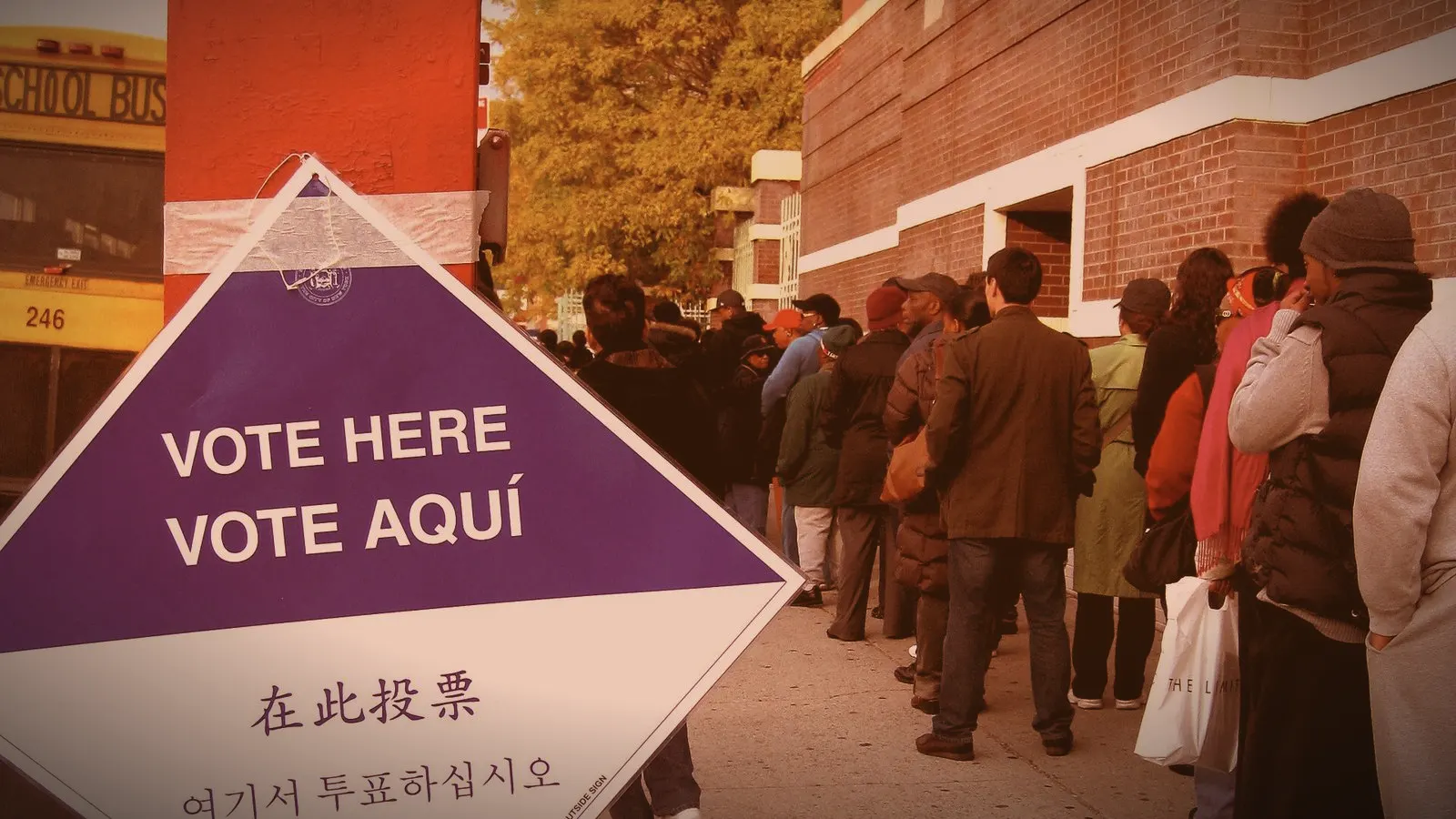
On October 17, 2026, the American magazine Mother Jones, in collaboration with the investigative newsroom Reveal, documented the disappearance of Black-majority legislative districts in the Southern United States, a direct consequence of the Louisiana v. Callais ruling issued on April 29, 2026, by the Supreme Court. Louisiana's 6th district, which had a Black majority, has been dismantled.
Its representative, Cleo Fields, is losing his seat for the second time in his career. He is one of only four Black representatives sent to Congress by Louisiana since the Reconstruction era, Mother Jones notes. According to him, the Court has "basically ended the Voting Rights Act." He says he has never served a single day in Congress without a federal lawsuit hanging over his head.
What the Court has changed
The decision was reached by a six-to-three vote, with the opinion written by Justice Samuel Alito, joined by Clarence Thomas, who wrote a concurring opinion with Neil Gorsuch, according to SCOTUSblog. Justice Elena Kagan wrote the dissent, joined by Sonia Sotomayor and Ketanji Brown Jackson.
The Court did not strike down Section 2 of the Voting Rights Act, the provision that allows for challenging discriminatory redistricting. However, it has tightened its application: plaintiffs must now propose an alternative map compatible with the state's legitimate objectives, isolate the effect of partisan affiliation in the analysis of polarized voting, and establish a strong presumption of intentional discrimination. For Alito, "the Constitution almost never permits" a state to discriminate based on race—an argument turned against maps that take race into account. For Kagan, Section 2 has become "all but a dead letter."
A law won in the 1960s
The Voting Rights Act was passed in 1965, at the heart of the civil rights movement, to remove the obstacles that prevented African Americans from voting. According to Reveal, the Court relied on reasoning from decisions over a century old, the very ones that weakened the rights of Black people and paved the way for Jim Crow segregation.
Mother Jones indicates that Southern states are rushing to revise their district maps, without providing a specific count; the total number of seats affected has not been established at this stage. The stakes are immediate: the midterm elections are being held in November 2026, and 2026 was supposed to be a reelection year for Cleo Fields.
For Africans and people of African descent, this issue goes beyond American electoral politics. It concerns the political representation of the United States' primary historical minority and a simple rule: a population that loses its districts loses its voice.
This article was written in French with the help of artificial intelligence from the sources cited below, then translated from French automatically. Read the original.