US Expulsions: Eleven Senators Petition Supreme Court, Over 500 People Sent to Africa
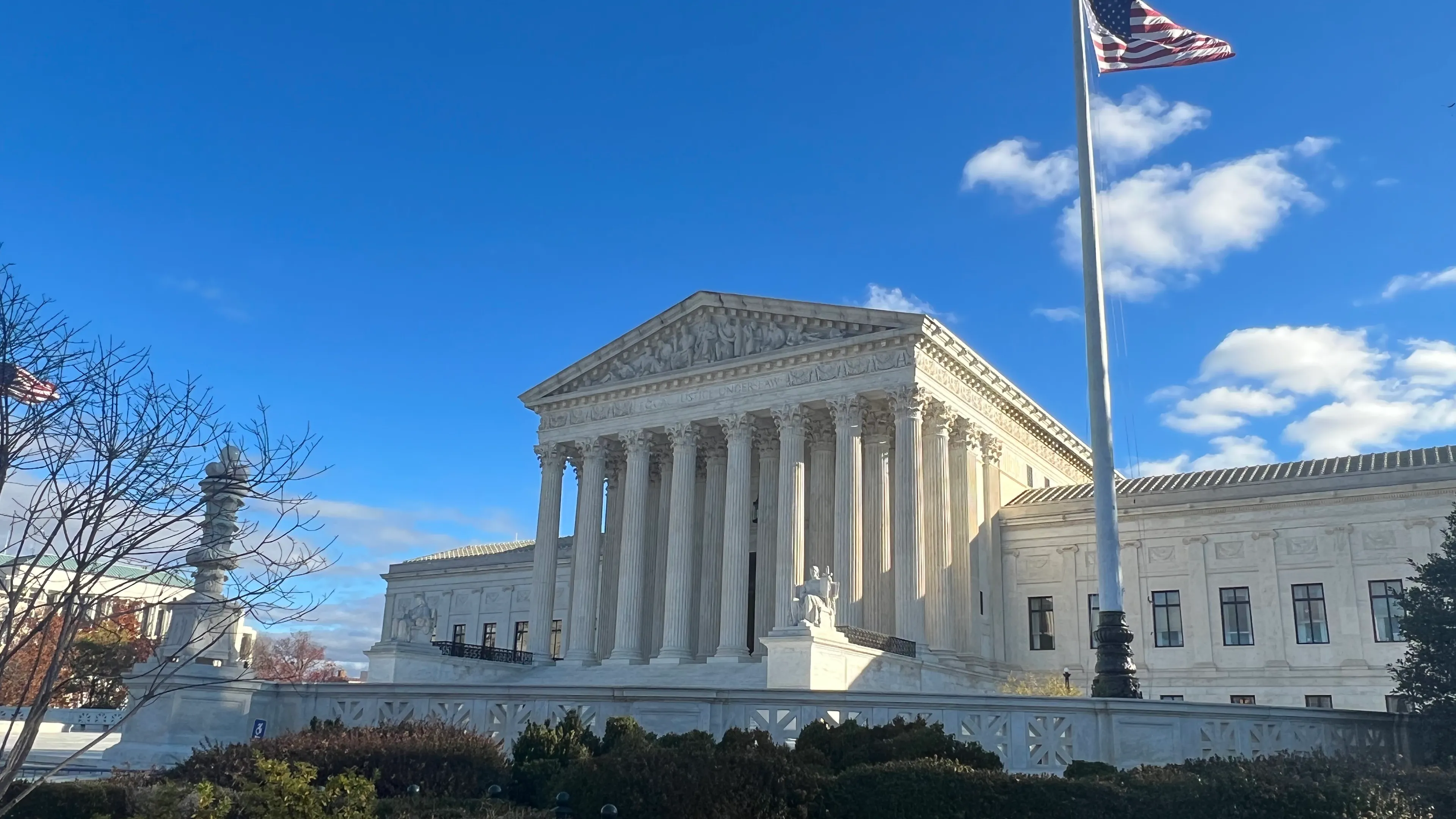
Eleven U.S. Democratic senators filed an amicus brief during the week of November 24, 2026, with the U.S. Supreme Court against the policy of expelling migrants to third countries, including several African states. They are asking the Court to uphold the First Circuit Court of Appeals ruling in the case of D.V.D. v. Department of Homeland Security.
The brief is led by Jeanne Shaheen of New Hampshire and Dick Durbin of Illinois, the ranking members of the Foreign Relations and Judiciary committees, along with nine other co-signatories.
What the senators are challenging
According to a statement from the Democratic minority on the Foreign Relations Committee, the Department of Homeland Security's directive has transformed a narrow and rarely used practice into a permanent system of unchecked expulsions. The senators argue that the administration does not verify, on a case-by-case basis, whether an individual faces a risk of persecution or torture in the destination country. General diplomatic assurances, they add, cannot serve as a green light for mass expulsions.
Over 500 people, six countries documented
On October 8, 2026, Human Rights Watch stated that more than 500 people whom the United States could not return to their home countries had been sent to various African nations without any real opportunity to challenge the decision. The organization says it interviewed twenty-four third-country nationals transferred to six countries: Cameroon, the Central African Republic, the Democratic Republic of Congo, Equatorial Guinea, Eswatini, and South Sudan.
It reports that some individuals were detained upon arrival, sometimes without a clear legal basis, and that some were subsequently returned to their countries of origin where they claimed they faced the risk of persecution. Among the reported cases is that of Tesfay T., a 35-year-old Ethiopian protected from removal by a U.S. judge: he claims he refused to sign his expulsion order to Chad, which was signed on his behalf by an agent, before he ended up in Cameroon.
The African share of responsibility
Michael Garcia Bochenek, interim director of the U.S. Program at Human Rights Watch, believes that the signatory African governments "should end or suspend these practices." According to the organization, several of these states are not merely complicit; they have themselves violated the rights of the individuals received.
A U.S. official, cited anonymously in a Senate document referenced by Human Rights Watch, summarizes the intent: "to scare people." African states are serving as a deterrent ground for a policy that is not their own.
The Supreme Court is scheduled to hear oral arguments in December 2026, notes Human Rights Watch, which points out that the court is currently allowing the administration to continue these expulsions.
This article was written in French with the help of artificial intelligence from the sources cited below, then translated from French automatically. Read the original.