Abiemnom: 213 dead, and Amnesty blames the UN and South Sudanese authorities
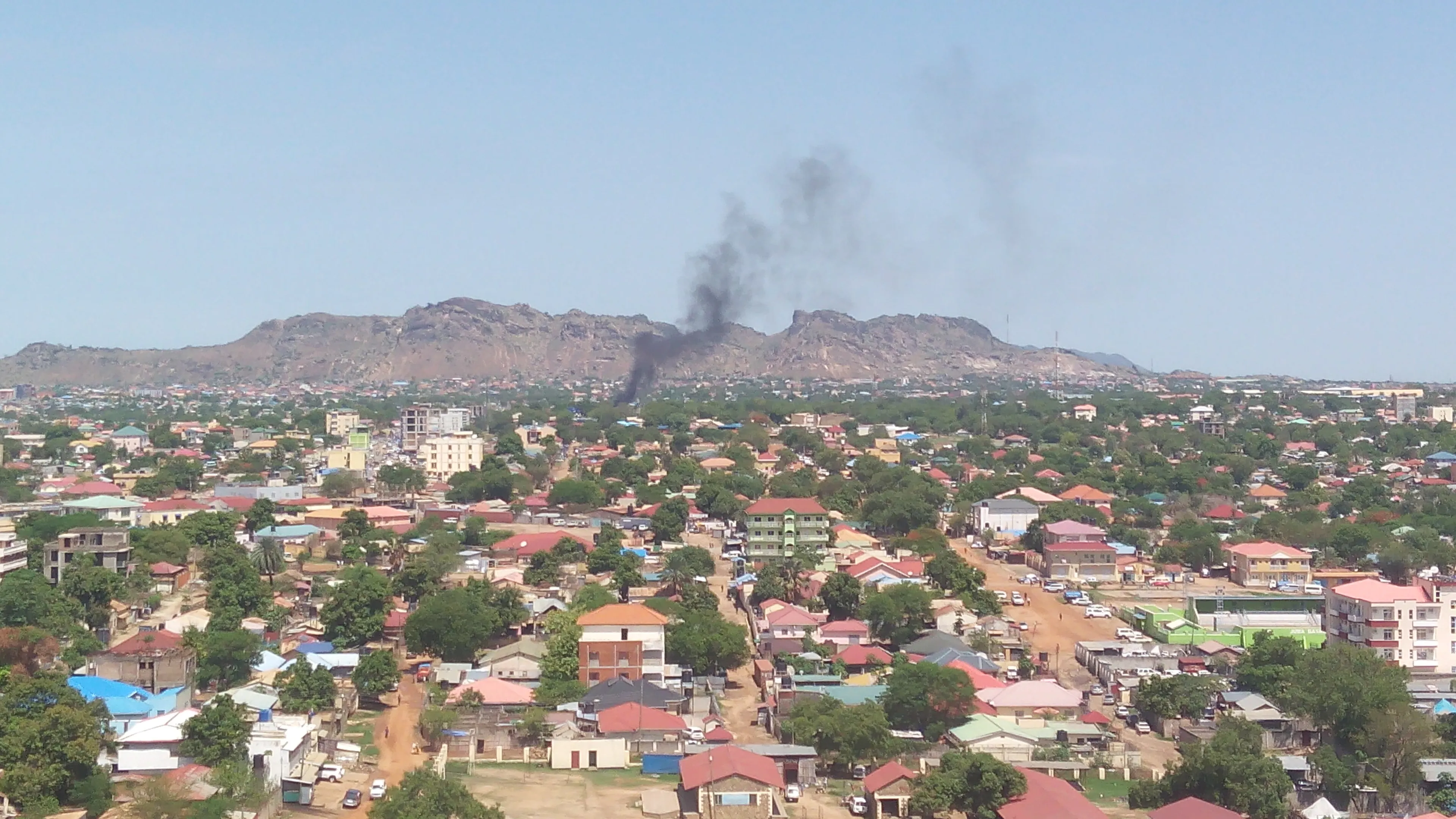
The United Nations mission in South Sudan and the country's authorities had enough information and time to prevent the Abiemnom massacre, Amnesty International asserts in a report published on November 12, 2026, as reported by Al Jazeera. The March 1, 2026, attack on this isolated town, near the Sudanese border, left more than 200 people dead.
The authorities' count lists 213 victims: 130 town residents, 76 members of the security forces, and seven foreign nationals. More than 230 buildings were burned down, according to satellite imagery. Part of the hospital was looted, and most of the victims were buried in two mass graves, according to the report.
Warnings known since mid-February
Amnesty estimates that between 1,000 and 1,500 armed men came from the neighboring Mayom county. The organization believes the assault may have been triggered by the earlier murder of several young men from that county.
It is the timeline that poses a problem. UNMISS acknowledges having known, as early as mid-February, that tensions were high. Yet, its few dozen peacekeepers deployed on-site were only reinforced after the attack, through the deployment of 40 additional police officers. Amnesty is all the more questioning this, given that the area had already experienced a comparable deadly attack in April 2025.
For Tigere Chagutah, Amnesty's Director for East and Southern Africa, this lack of firmer action "cost lives." The organization is calling for an independent investigation into the killings and a separate review of the peacekeepers' response.
Declining resources, a silent state
UNMISS defends itself by citing its resources. Its spokesperson, Priyanka Chowdhury, asserts that the mission did its best with limited resources and focused its capabilities on the immediate protection of some 2,500 people who took refuge in a protected area created in anticipation of the attack. She says she repeatedly asked the national army to send reinforcements and cites budget cuts.
These cuts are documented: in April 2026, the Security Council renewed the UNMISS mandate while lowering the authorized troop ceiling from 17,000 to 12,000. The South Sudanese authorities, for their part, did not respond to either of the two letters in which Amnesty requested information and reactions to its preliminary findings.
The timing makes the matter even more serious. South Sudan is scheduled to hold elections on December 22, 2026, eight years after the 2018 peace agreement that ended five years of civil war. On November 10, 2026, African Union envoy Jakaya Kikwete called on the Security Council to help ensure a peaceful vote.
This article was written in French with the help of artificial intelligence from the sources cited below, then translated from French automatically. Read the original.