Copper: BHP signs with Zambia and expands its race for the red metal into Africa
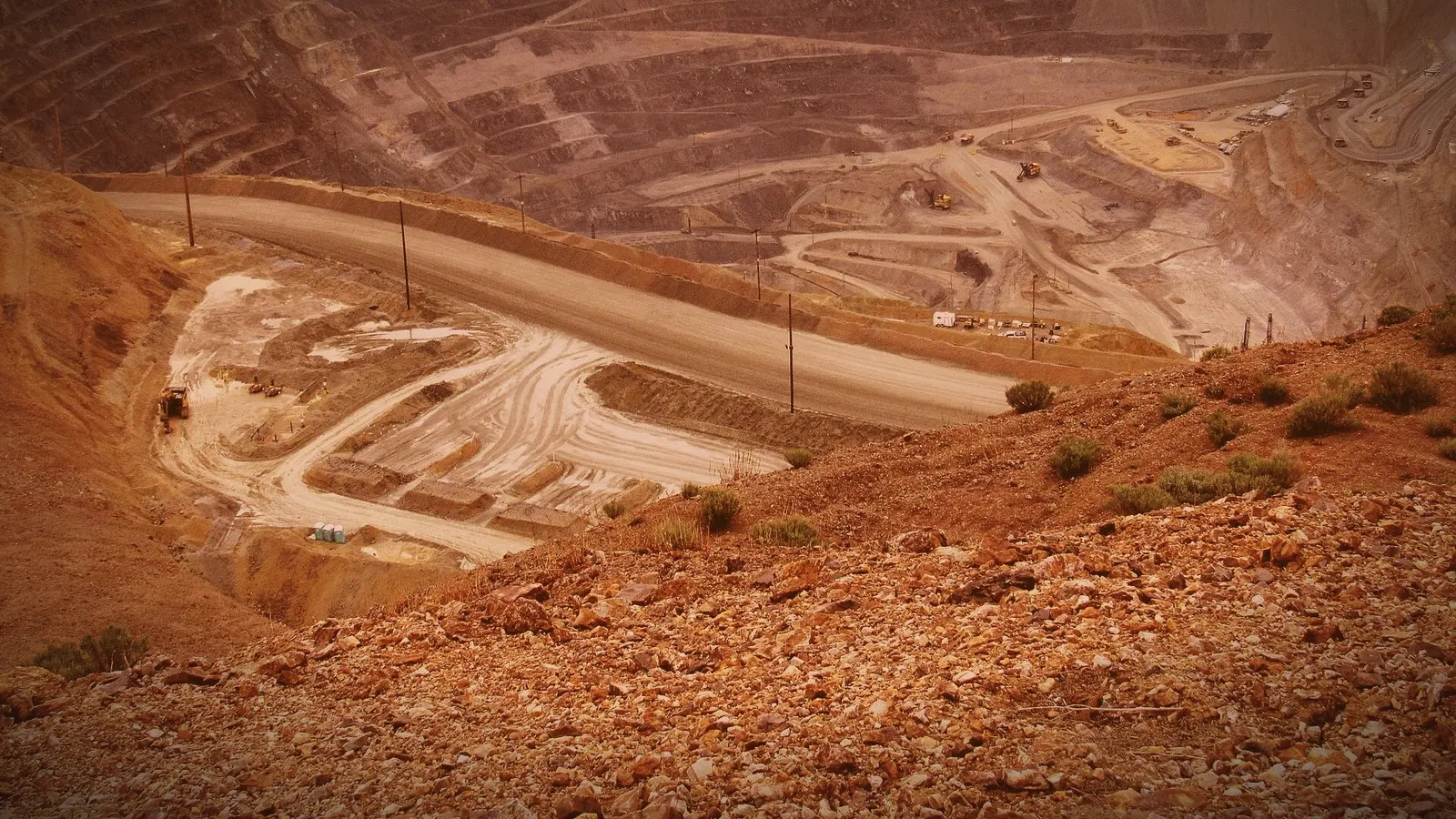
The world's leading mining group, Australia's BHP, announced on October 2, 2026, the signing of a memorandum of understanding with the Zambian government to strengthen the country's mining exploration capabilities, reports the Agence Ecofin. The agreement, which was still subject to verification by the Attorney General's office at the time of its announcement, does not currently provide for any equity stake in a Zambian mining asset.
The text focuses on the Geological Survey Department, the public body responsible for geological mapping. BHP is set to help it bolster its drilling resources and mineral data production. On the Zambian side, the file is being overseen by the Permanent Secretary of the Ministry of Mines and Minerals Development, Hapenga Kabeta; on the BHP side, by the Director of Exploration, Tim O'Connor.
Second largest African copper producer
Zambia extracted 890,346 tonnes of copper in 2025, making it the second-largest producer on the continent behind the Democratic Republic of Congo. The country is therefore a logical target for a group seeking to secure its future supplies: according to the Agence Ecofin, the global supply will be short by more than 2.5 million tonnes of copper by 2030, and the deficit could reach 10 million tonnes over the decade. BHP produced approximately 2 million tonnes of copper in 2026 from Peru, Chile, and Australia.
After Botswana and South Africa
BHP's African bet is not new. In March 2025, the group committed to investing up to $25 million over eight years in the exploration of the Kitlanya East and Kitlanya West projects in Botswana, alongside junior miner Cobre Limited, with the potential for a stake of up to 75%. Cobre was identified through BHP Xplor, the group's mining junior accelerator, whose 2026 cohort selected South Africa's Orion Minerals for its Prieska and Okiep assets.
What Africa must watch
These agreements remain, for the time being, at the geological assessment stage: no mines, no factories, and no industrial jobs have been promised. For countries in the copper belt, the challenge is not to attract the giants—they are already coming—but to negotiate what remains on African soil when the ore leaves: local processing, the training of national geologists, and the ownership of subsoil data. Zambia, which has already seen several generations of foreign investors pass through its copper sector, is well-positioned to know that technical cooperation is only as valuable as the clauses that accompany it.
The next steps will depend on the Zambian legal green light, followed by drilling campaigns that will determine whether the country's subsoil justifies a heavier commitment from BHP.
This article was written in French with the help of artificial intelligence from the sources cited below, then translated from French automatically. Read the original.