Côte d'Ivoire: EV.Tech and its 70 charging stations welcome Enko Capital as a shareholder
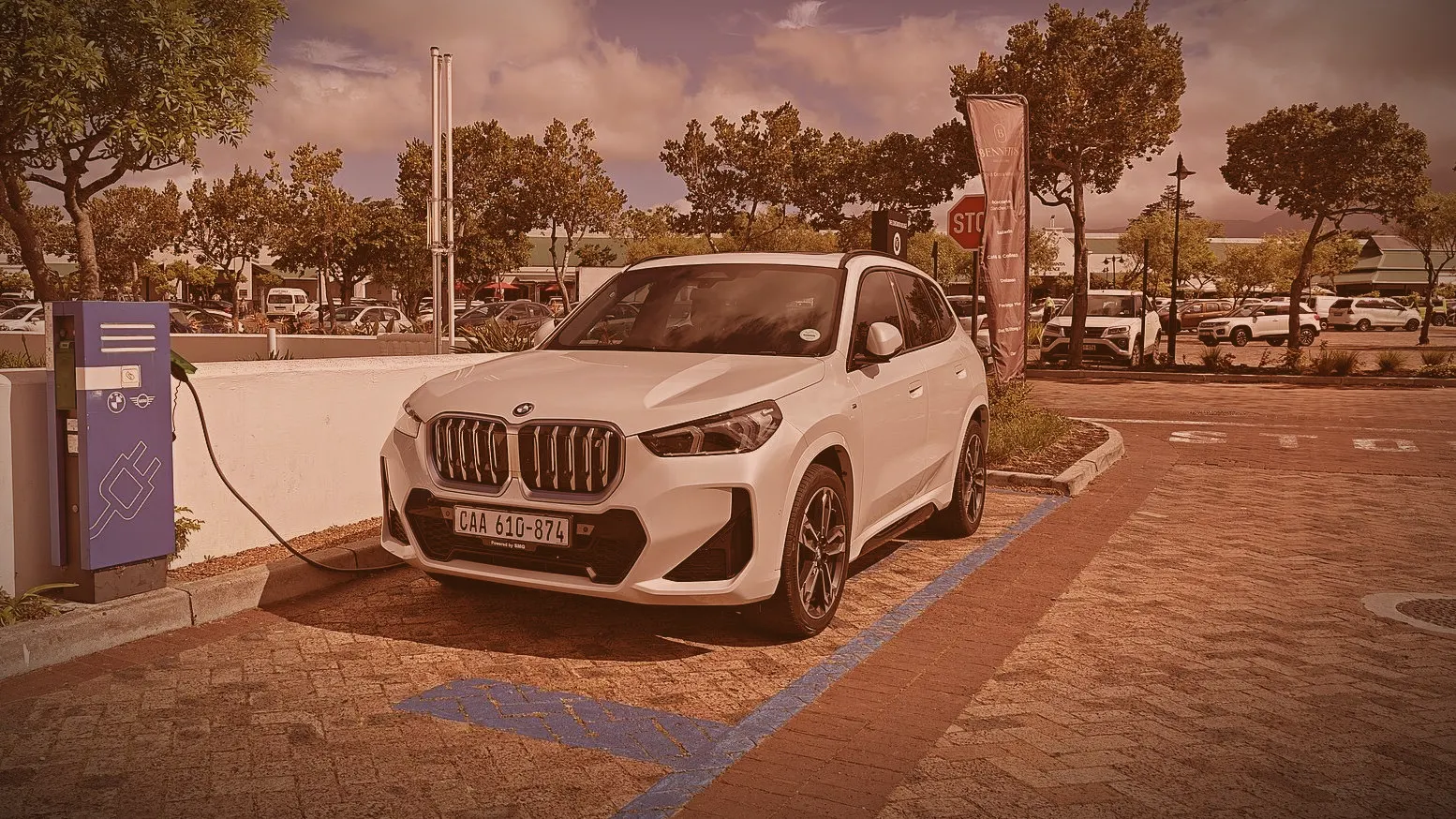
The Ivorian start-up EV.Tech, which operates a network of charging stations for electric vehicles, announced at the end of September 2026 that the pan-African fund Enko Capital has acquired a stake in the company. The transaction takes the form of hybrid financing, and the amount has not been disclosed, according to reports from Innovation Village and Business Tech Africa.
Co-founded by Florent Thomas and Esther Dagri, EV.Tech presents itself as the country's first local electric charging operator. It currently operates seventy stations across Ivorian territory and has established partnerships in transport and fuel distribution. The funds raised are intended to accelerate the deployment of the network and scale up operations.
A fund dedicated to SMEs in Francophone West Africa
Enko Capital is investing through its Francophone West Africa SME strategy, structured as a venture capital mutual fund (FCPR). This is the second transaction for this vehicle, following an equity stake in Burger King Côte d'Ivoire. Cyrille Nkontchou, Managing Partner at Enko, believes the company has demonstrated its ability to build the infrastructure that the Ivorian electric mobility market needs. Cheikh Souleymane Diallo, Senior Investment Director, emphasizes that the flexibility of the FCPR format was decisive in structuring the financing by blending debt and equity according to the company's needs.
This point is worth noting: this is African capital invested in African infrastructure by a fund that specifically targets SMEs in the Francophone zone, which have long been less served by venture capital than Nigeria, Kenya, Egypt, and South Africa.
Charging: the missing link in electric mobility
EV.Tech's bet is based on a simple observation: without a dense and reliable charging network, electric vehicles will not take off, regardless of the price of the cars. Innovation Village cites rapid urbanization, the rising cost of fossil fuels, technical progress, and the commitment of West African governments to the energy transition as key market drivers.
The decisive question remains that of electricity itself: the rise of a fleet of rechargeable vehicles requires production and a grid capable of keeping up. It is by this measure that the real impact of the announced investment will be gauged in the coming years.
This article was written in French with the help of artificial intelligence from the sources cited below, then translated from French automatically. Read the original.