DRC: Wave secures the first electronic money license granted since 2015
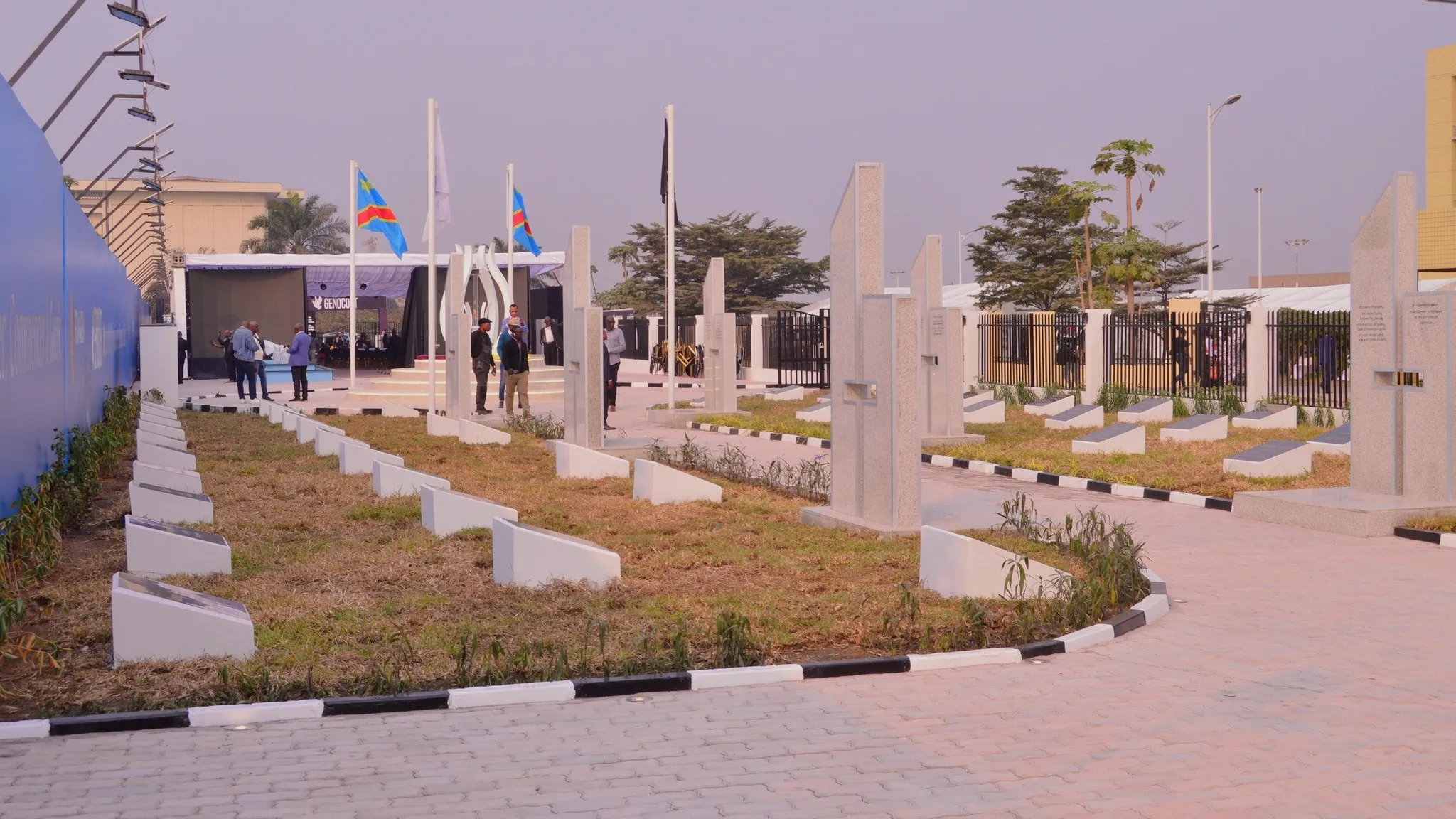
The Central Bank of Congo (BCC) granted Wave an electronic money institution license on November 17, 2026, according to Afrimag, a decision made public on November 18 according to the Ecofin Agency. The fintech becomes the fifth operator authorized to issue, manage, and distribute electronic money in the Democratic Republic of Congo, and the first new entrant since September 2015.
Eleven years without a new entrant
The four existing players were all licensed more than a decade ago: Airtel Money in February 2012, Orange Money in March of the same year, Vodacash in July 2012, and Afrimobile Money in September 2015, notes the Ecofin Agency. Neither publication explains why the market remained closed for so long. The BCC presents its green light as a way to "stimulate competition" and make services "more accessible and affordable," reports Afrimag.
What Wave brings to the table
Developed from Senegal starting in 2018 and described by Afrimag as an American fintech, Wave has shaken up the Senegalese market. As of the end of December 2025, it held 459.9 billion CFA francs in electronic money deposits out of a national total of approximately 571 billion, or nearly 81%, according to the 2025 annual report of the WAMU Banking Commission cited by the Ecofin Agency; Orange Money Senegal held 106 billion. Across the WAEMU region, the seventeen active electronic money institutions reported 323.2 billion CFA francs in revenue in 2025, an increase of 12%.
The DRC will be the company's second Central African market after Cameroon, where it has operated since June 2025 through a partnership with the Commercial Bank Cameroun. In Kinshasa, however, it holds its own license and acts in its own name. On November 6, Wave also announced the connection of its services in Senegal and Côte d'Ivoire to the BCEAO's PI-SPI instant payment system, according to the Ecofin Agency.
Everything will depend on transaction pricing
Neither the central bank nor the company has announced a launch date, a fee schedule, or a service plan. "A license paves the way," wrote Wave's General Manager in the DRC, Jérémie Lukusa, adding that it is the groundwork that will give it its full meaning.
For Congolese people who send money to their families, pay a bill, or receive a salary by phone, the issue is not the name of the fifth operator: it is the cost of each transaction. A market that has remained closed for eleven years has hardly been under pressure on this point. It remains to be seen whether the arrival of a competitor is enough to shake things up.
This article was written in French with the help of artificial intelligence from the sources cited below, then translated from French automatically. Read the original.