Ebola: 4,018 dead in DRC, MSF deems transmission 'out of control' in North Kivu
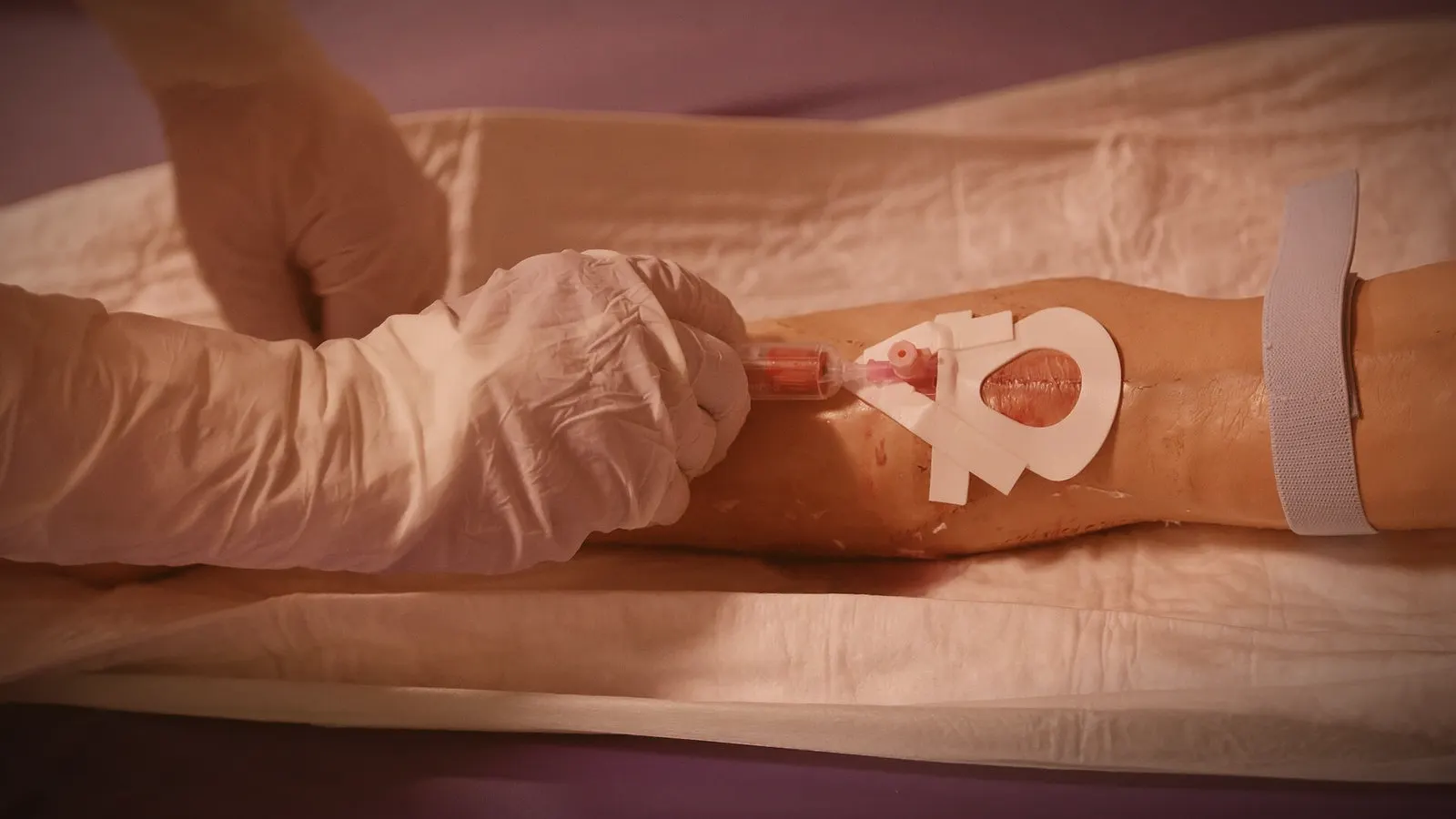
The Democratic Republic of Congo has surpassed the threshold of 4,000 deaths in its Ebola epidemic, and Doctors Without Borders (MSF) warned on October 7, 2026, that the disease is now spreading unchecked in the North Kivu province, in the east of the country.
Figures from the National Institute of Public Health (INSP), reported on October 2, 2026, by Afrik.com, indicate 4,018 deaths out of 8,300 confirmed cases, representing a case fatality rate of 48.4%. One in two patients dies. As of that same date, 2,162 people were declared recovered and 842 were still under care. Seven provinces are affected: Ituri, the original epicenter, North Kivu, South Kivu, Bas-Uélé, Haut-Uélé, Tshopo, and Sud-Ubangi. Declared on May 15, 2026, this is the 17th Ebola epidemic recorded in the DRC and, by far, the deadliest.
North Kivu, the new heart of the epidemic
According to Africanews, North Kivu alone accounts for nearly 40% of the new confirmed cases in the country. Stephanie Hoffmann, coordinator of the MSF treatment center in Butembo, describes a situation where "transmission is out of control" and where the virus is moving from the city center to rural areas. All health zones neighboring Butembo have now reported confirmed cases.
The most worrying figure lies elsewhere: according to MSF, approximately 75% of deaths occur within communities, among patients cared for at home by their relatives, far from treatment centers. Each death at home signifies a chain of family contamination and a total lack of contact tracing. The INSP had already noted more than 68% of community deaths at the beginning of October, leading MSF to estimate that the actual toll likely exceeds official counts.
A vaccine that does not protect against this strain
This epidemic is caused by the Bundibugyo virus, a rare strain. The Ervebo vaccine, used during previous outbreaks, is approved for the Zaire strain: its efficacy against Bundibugyo has not been established in humans, and a study is currently underway in the DRC. Congolese teams are therefore facing one of the worst epidemics on the continent without the tool that made the difference in 2018 and 2019.
To mistrust is added violence: Africanews reports that a political official in Butembo was killed shortly after a radio awareness program. Furthermore, Kenya confirmed its first imported case in early October, a man who died in Nairobi after returning from the DRC. The epidemic is no longer just Congolese: it is regional.
This article was written in French with the help of artificial intelligence from the sources cited below, then translated from French automatically. Read the original.