Ebola: Uganda launches first African mRNA vaccine trial, tested from age one
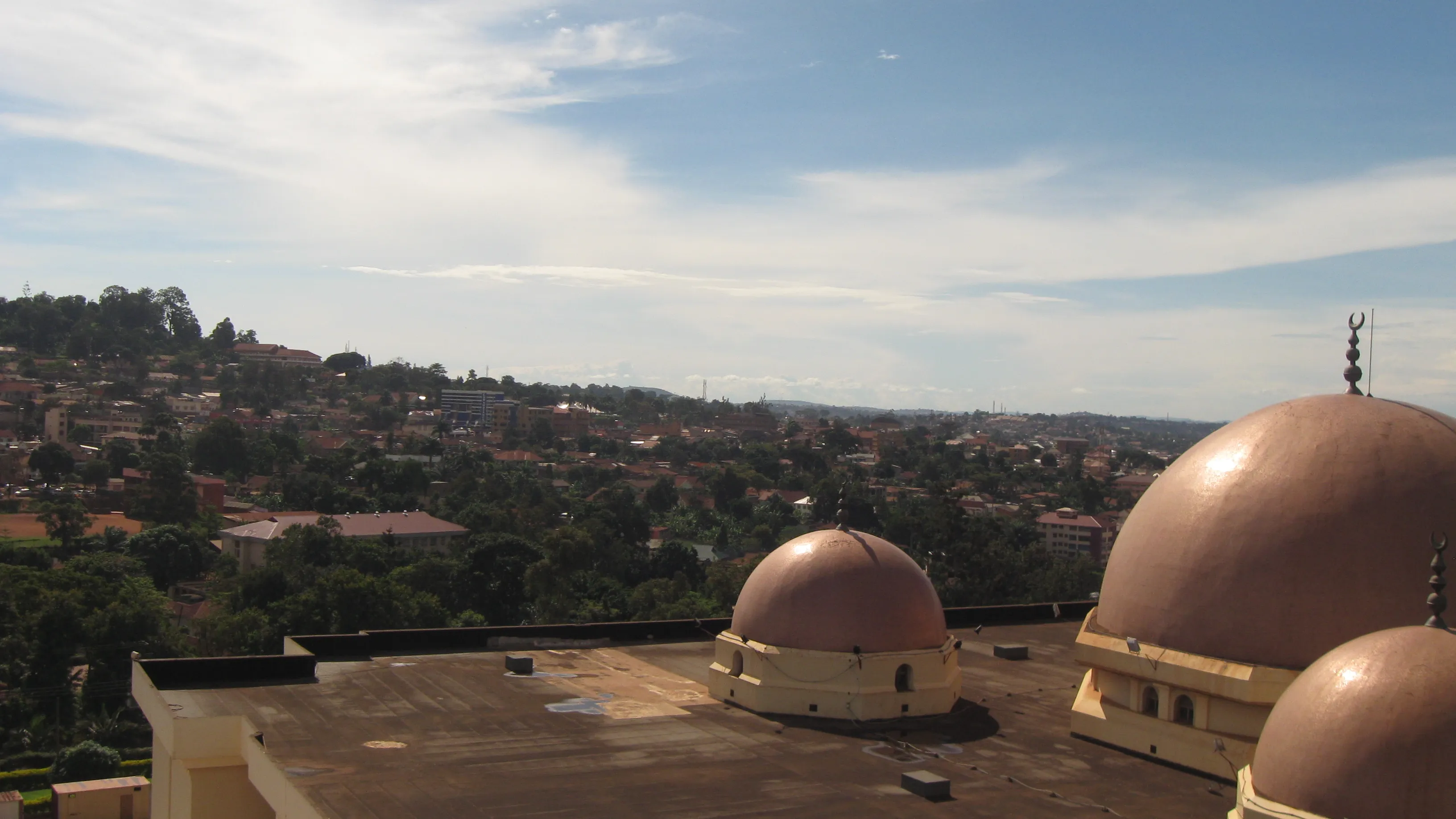
The Uganda Virus Research Institute (UVRI), a Ugandan public institution, launched the first clinical trial conducted in Africa of a messenger RNA vaccine against the Bundibugyo strain of the Ebola virus on Friday, November 27, 2026, in collaboration with the American laboratory Moderna, according to Africanews. To date, there is no approved vaccine against this strain.
This is the second trial of this candidate worldwide, following a trial conducted in Canada in August on adults aged 18 to 65. The Ugandan trial is the first to administer the product to children, starting from one year of age. Africanews did not specify the number of participants or the selected sites.
One of the most serious epidemics ever recorded
The stakes involve the ongoing epidemic in the Democratic Republic of Congo, described as the second largest ever recorded for Ebola. According to the World Health Organization, cited by Africanews, it has caused more than 5,700 confirmed deaths out of more than 11,000 cases since it was declared in May 2026. Gavi, the Vaccine Alliance, reports more than 11,600 cases and over 5,700 deaths.
Who decides who participates
In many trials, children are only included last, once tolerance has been established in adults. Here, Uganda is integrating them from the second global stage of the candidate, and it is an African public institution that is managing the protocol. For a continent where hemorrhagic fever epidemics break out and are treated, the difference is not symbolic: it concerns who sets research priorities and who will benefit from the first doses.
A second candidate already reserved
Gavi also announced on November 24, 2026, an advance purchase agreement for 1.5 million doses of another candidate, the ChAdOx1 BDBV, developed jointly by the Serum Institute of India and the Oxford Vaccine Group at the University of Oxford. Up to 40 million dollars from its First Response Fund are dedicated to this type of access agreement, the alliance's statement specifies, in addition to 10 million for routine vaccination and 7 million for 70,000 doses of Ervebo.
Deliveries remain conditional on trial results, regulatory approvals, and WHO recommendations. The Serum Institute indicates that it has already manufactured the active substance for more than half a million doses. "The First Response Fund is working as intended," said Sania Nishtar, CEO of Gavi. For Adar Poonawalla, CEO of the Serum Institute of India, an effective response "requires the ability to act quickly."
Uganda knows what it is talking about: the country itself went through an Ebola epidemic in 2026, with 20 cases including two deaths, before being declared free of the virus in August. The results of this trial will partly determine what will be available next year for families affected by the Congolese epidemic.
This article was written in French with the help of artificial intelligence from the sources cited below, then translated from French automatically. Read the original.